
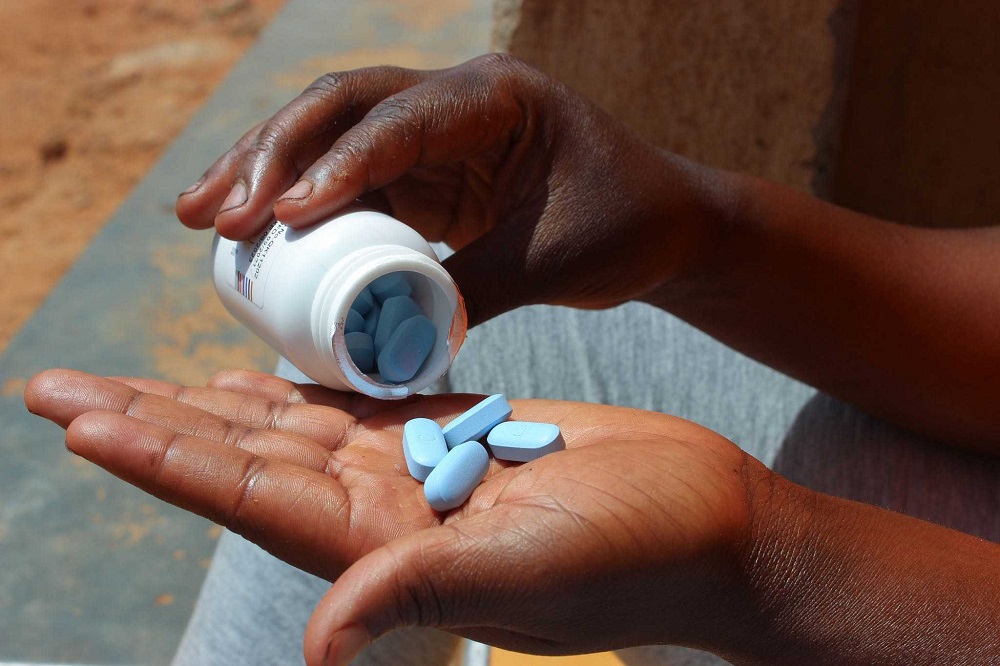
Zombo, Uganda: Health authorities in Zombo District have raised alarm after discovering cases where HIV-negative women were mistakenly started on antiretroviral therapy (ART) due to errors linked to proxy partner testing during antenatal care.
The revelation was made by Mark Bonny Bramali, the District Health Officer for Zombo, who said the incidents are largely linked to men refusing to accompany their partners for antenatal care (ANC) and HIV testing.
According to Bramali, some pregnant women are forced to present boda boda riders or other proxies as their partners during mandatory couple-based HIV testing sessions.
“When these proxies test HIV-positive, the results can be misattributed, leading to situations where HIV-negative women are mistakenly initiated on antiretroviral therapy,” Bramali explained.
He warned that the trend has been observed in several recent cases, highlighting the urgent need for men to actively participate in voluntary counseling and HIV testing.
Bramali made the remarks while addressing hundreds of residents gathered at Ajei Primary School during a community health sensitisation meeting.
Health officials say the problem reflects broader challenges related to HIV stigma in Uganda, which continues to discourage people, especially men, from openly seeking testing and treatment services.
According to the 2019 People Living with HIV (PLHIV) Stigma Index, about 24.3% of people living with HIV experience internalised guilt, while 21.2% report feelings of shame, and 18.2% say they feel worthless because of their HIV status.
These attitudes contribute to delayed testing, non-disclosure of status and reduced participation in couple-based testing.
Collins Candwoga, chairperson of the Network of People Living with HIV/AIDS in Zombo, urged men to overcome stigma and prioritise testing.
“We should continue talking to our people to avoid stigma because it is making our people take risks that are not good for their health,” Candwoga said.
Zombo HIV statistics

According to the Zombo District Health Department, 8,916 people were living with HIV in the district as of December 2025, all currently enrolled in care.
The district has recorded an ART adherence rate of 89.4%, with officials saying they are approaching the global 95-95-95 HIV targets.
“We are close to the 95-95-95 targets, but we must push harder, especially on viral suppression and retention,” Bramali said.
Over the past year, 46,281 people were tested for HIV in Zombo, with a positivity rate of 1.4%, translating to roughly two new HIV diagnoses for every 100 tests conducted.

However, health officials say the rate remains concerning.
Zombo’s adult HIV prevalence stands at 4%, higher than neighbouring Pakwach District and Nebbi District, which both record 3%, and above the West Nile regional average of 2.3%.
The figures were cited by Hope Murungi, coordinator for civil society and the private sector at the Uganda AIDS Commission.
Nationally, Uganda continues to battle new HIV infections despite progress in treatment coverage.
According to the Uganda AIDS Commission, the country records about five new HIV infections every hour, translating to roughly 37,000 new infections annually, alongside about 54 HIV-related deaths daily.
Mother-to-child transmission remains a concern, with about 4,700 infants acquiring HIV each year, while the mother-to-child transmission rate stands at 466 per 100,000 live births.
Bruno Mananu, the Assistant Resident District Commissioner for Zombo, urged communities to embrace routine HIV testing. “Regular HIV testing is a cornerstone of public health security,” he said.
Globally, an estimated 39 million people are living with HIV, with 77% accessing antiretroviral therapy and 94% of those on treatment achieving viral suppression, according to global health data.
Health stakeholders say sustained political commitment, community awareness and stigma reduction remain critical to achieving the global goal of ending AIDS as a public health threat by 2030.
If you would like your article/opinion to be published on Uganda’s most authoritative news platform, send your submission on: [email protected]. You can also follow DailyExpress on WhatsApp and on Twitter (X) for realtime updates.