Iganga, Uganda: Government has renewed its commitment to eliminate malaria in Uganda, with a bold pledge to achieve zero malaria deaths as the country marked World Malaria Day 2026 in Iganga District.
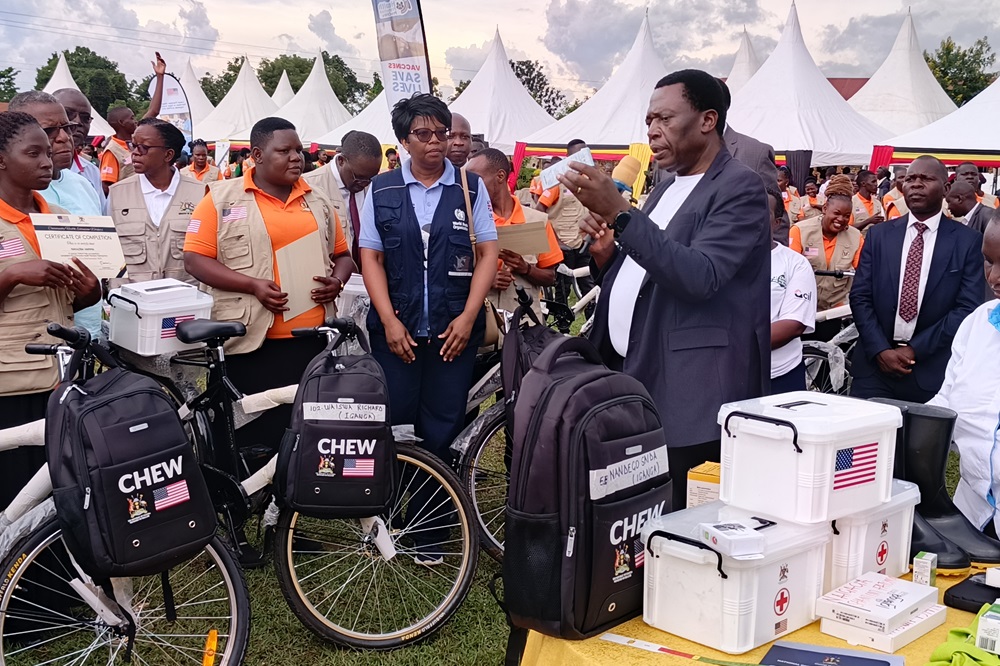
The commitment was delivered by the Director General of Health Services at the Ministry of Health, Uganda, Charles Olaro, on behalf of Health Minister Jane Ruth Aceng, during national celebrations held at Bulamagi Sub-county headquarters.
Dr Olaro said government has intensified community-based interventions as part of a broader strategy to eliminate malaria.
“When you check the health information systems in our health centres, you find that up to 75% of cases can be managed at home. The Community Health Extension Workers are very important, and we expect them to be champions of malaria elimination,” he said.

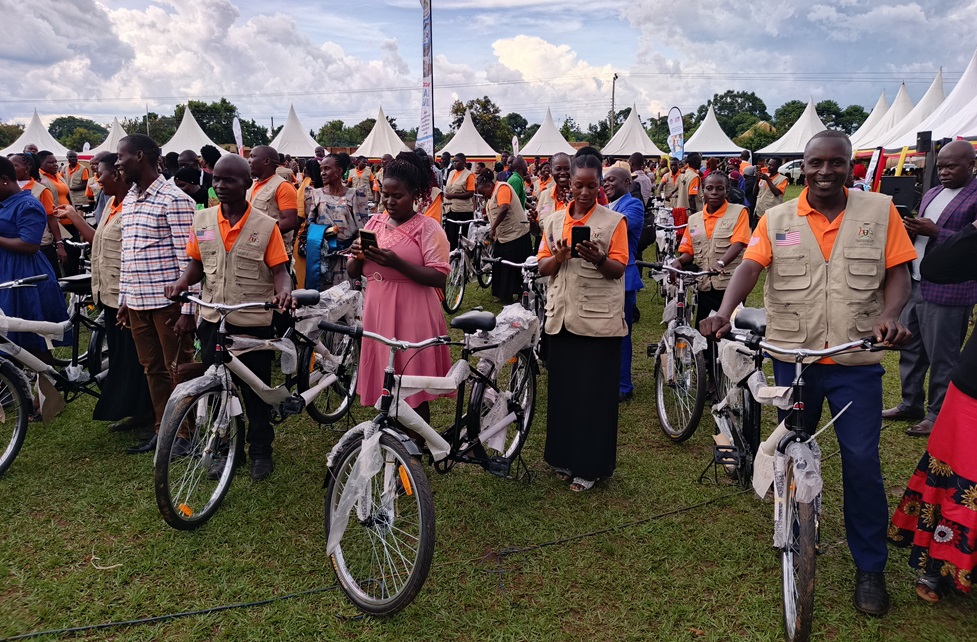
A total of 105 Community Health Extension Workers (CHEWs) were passed out after completing six months of training, marking a key milestone in strengthening Uganda’s frontline health system.
The CHEWs are expected to bridge gaps between communities and health facilities through house-to-house visits, health education, disease prevention, and referrals, with a strong focus on malaria control, maternal health, and other priority conditions.
Representing the World Health Organization, Dr Christine Musanhu delivered a message from Kasonde Mwinga, highlighting the growing impact of malaria vaccines across Africa.
“Malaria vaccines are proving to be effective, with meaningful reductions in mortality when integrated with existing interventions. However, low funding continues to affect the global fight against malaria,” the message noted.
Uganda is among African countries that have introduced malaria vaccines, contributing to improved outcomes alongside traditional interventions such as mosquito nets, indoor residual spraying, and timely treatment.
Specioza Wandira Kazibwe, through the Busoga Health Forum, was commended for supporting malaria interventions in the region, particularly pilot indoor spraying programmes in Nawaningi Sub-county, which officials say have yielded positive results.

Iganga District Vice Chairperson Mukacha Harid called for collective responsibility in the fight against malaria, noting that partnerships with development actors have strengthened testing, treatment, and prevention efforts.
Assistant Resident District Commissioner Tonny Nabala described malaria as a long-standing national challenge affecting productivity and socio-economic development.
“Malaria remains a national concern that impacts education, productivity, and livelihoods. Eliminating it requires maximum attention and joint effort from all stakeholders,” Nabala said.
The newly deployed CHEWs were equipped with bicycles, diagnostic tools, medicines, mobile phones, and protective gear to support their work at community level. They were also directed to collaborate closely with Village Health Teams (VHTs) and utilise digital systems to ensure accountability and efficiency in service delivery.
Uganda continues to rank among countries with high malaria burden, with the disease accounting for a significant share of outpatient visits and hospital admissions. Health officials say scaling up community interventions, alongside vaccination and improved surveillance, will be critical in achieving elimination targets.
If you would like your article/opinion to be published on Uganda’s most authoritative news platform, send your submission on: [email protected]. You can also follow DailyExpress on WhatsApp and on Twitter (X) for realtime updates.