
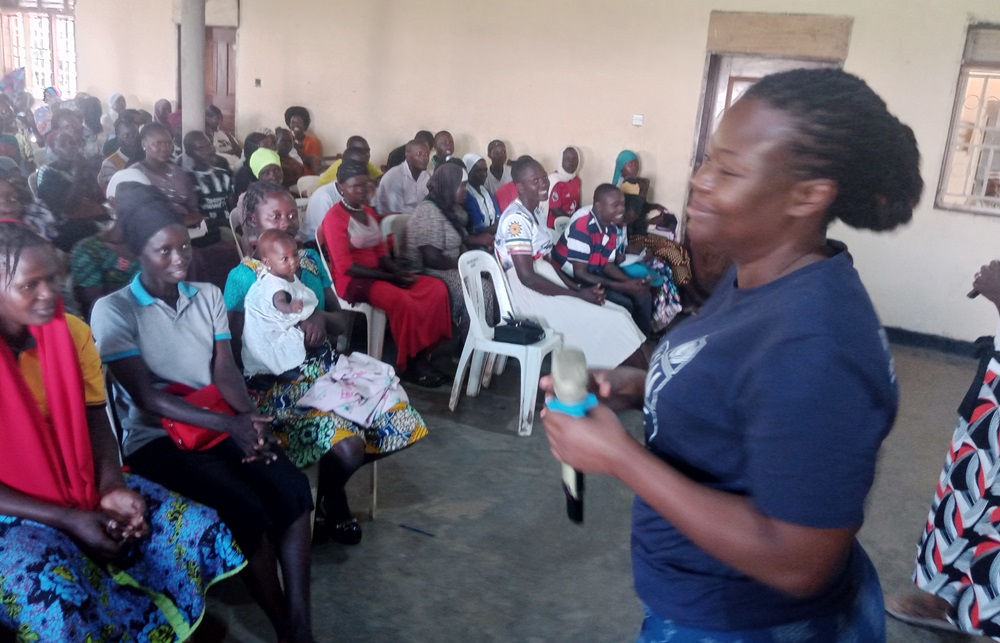
Pallisa, Uganda: A total of 300 youth and women from across Pallisa District have undergone training in digital business skills aimed at improving small and medium enterprises through technology and online platforms.
The training, held at Kyoga Hotel in Pallisa Town, attracted participants aged between 18 and 35 years drawn from the district’s 21 sub-counties.
The initiative was organised by the Federation of Small and Medium-Sized Enterprises Uganda in partnership with EzyAgric, Chap Chap and Business Kusimuyo with support from the United Nations Capital Development Fund.
According to Pallisa coordinator Emmanuel Ekileng, the training targeted 60 per cent female youth, 30 per cent male youth and 10 per cent youth with disabilities engaged in business activities.
He said the programme aimed at equipping participants with digital skills to help them market products online, access business information, and utilise digital platforms for entrepreneurship growth.
“We mobilised youth involved in small and medium businesses like mobile money, poultry, piggery and brick laying so that they can learn how to use digital services to access markets and business opportunities,” Ekileng said.

He commended the United Nations Capital Development Fund for financing the programme. “We only selected a few youth this time, but we hope our partners and funders will help us reach more beneficiaries in future.”
Simon Peter Otemwa, the Chief Executive Officer of Chap Chap, urged young people to utilise mobile phones productively instead of wasting internet bundles on non-beneficial social media activities.
“We are here in Pallisa to enrich the youth with knowledge of using their phones more profitably and beneficially rather than wasting data on TikTok which may never earn them money,” Otemwa said.
He added that youth were specifically targeted because Uganda’s youthful population remains the biggest driver of the country’s economy.
“It should be noted that Chap Chap operations are recognised by the Bank of Uganda, which regulates financial institutions,” he said.
Meanwhile, Richard Tumwesige said the initiative forms part of a three-month campaign intended to transition youth from idleness into productive entrepreneurship.
Participants described the training as beneficial, especially in helping them understand how digital applications can support small businesses and agriculture.

Simon Okapelo, who operates a mobile money and stationery business in Kalaki Trading Centre, said the training was useful but needed to run longer for slower learners.
“The packages needed at least three days so that everyone can fully understand the digital skills,” Okapelo said.
He also urged the Ministry of Education and Sports to integrate digital business training into government skilling hubs.
Another participant, Jude Akol, said he was particularly impressed by the EzyAgric application, which helps farmers access market information and agricultural advice digitally.
“One can easily find out where produce is needed, how much it costs and get expert advice using very little internet data,” Akol said.
Lydia Amulen testified that using the Chap Chap platform had helped her grow a mobile money business with lower operational costs. “I now earn good commissions because many people know about my business through digital platforms,” she said.
Organisers said the training is part of wider efforts to promote financial inclusion, digital entrepreneurship and youth empowerment in rural communities.
If you would like your article/opinion to be published on Uganda’s most authoritative news platform, send your submission on: [email protected]. You can also follow DailyExpress on WhatsApp and on Twitter (X) for realtime updates.