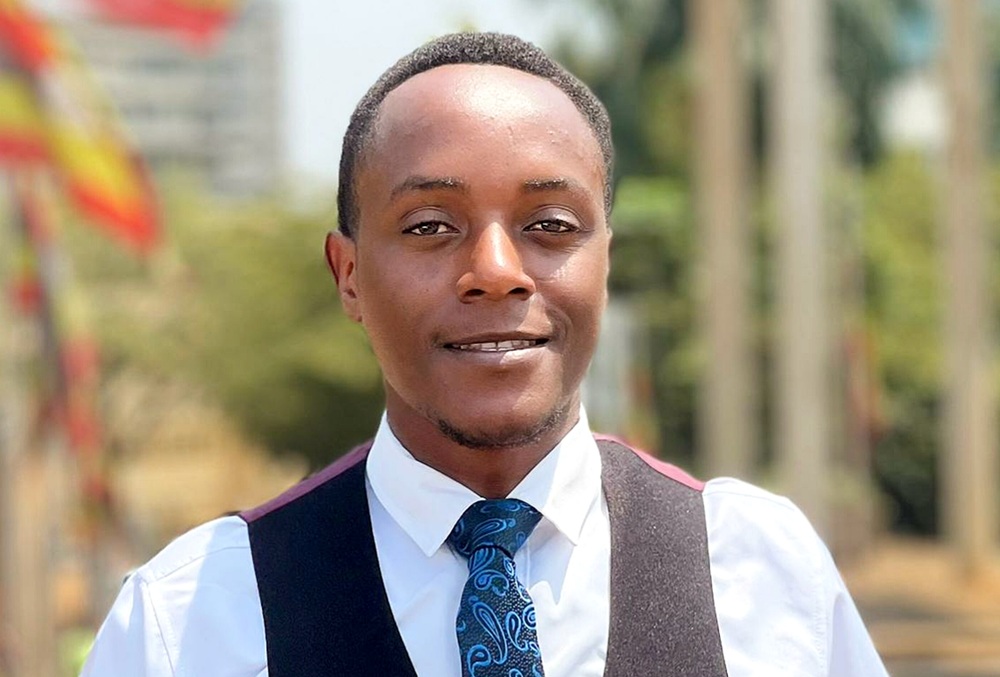
By Akankwatsa Ronald Eng.
Uganda’s youth leaders must abandon the culture of perpetual lamentation and embrace their responsibility as drivers of change. While it has become commonplace for young leaders to complain about marginalization, exclusion and lack of opportunities, the real challenge lies not in the absence of representation but in the failure to effectively utilize the positions and platforms already available to them.
Complacency remains one of the greatest obstacles to leadership and development. Too often, youth leaders lament more than the young people they represent. Every opportunity to speak is used to complain about exclusion. Every opportunity to participate becomes an occasion to blame government. Worse still, some opportunities for implementation have been turned into avenues for personal gain rather than service. Today, the comfort of maintaining the status quo appears stronger than the desire to initiate meaningful change.
The month of May ushered in a new political term through a series of swearing-in ceremonies for elected leaders at all levels of governance. President Yoweri Museveni was sworn in for a new term on May 12, followed by the inauguration of Members of the 12th Parliament and local government leaders across the country. The ceremonies were marked by promises and commitments to deliver better services and improved livelihoods over the next five years.
Among those sworn in were youth representatives elected to champion the interests of Uganda’s largest demographic group.
Uganda is one of the youngest countries in the world, with approximately 73 percent of its population below the age of 30 and nearly 10 million young people aged between 18 and 30 years. This youthful population represents immense potential for national development. However, unless young people actively contribute to economic growth and governance, that demographic advantage risks becoming a missed opportunity.
The responsibility for harnessing this potential lies heavily on the shoulders of youth leaders.
Through affirmative action, Parliament reserves five seats for youth representation — one youth Member of Parliament from each of Uganda’s four regions and one National Female Youth MP. These positions were created to ensure that young people have a voice in legislation, oversight and budget allocation.

If youth leaders participate in national budgeting and development planning processes, then questions naturally arise. Why do youth programmes continue to struggle for adequate funding? Why do policy issues affecting young people, including employment, minimum wage discussions, retirement planning and sexual and reproductive health rights, remain unresolved? Why do programmes such as the Youth Livelihood Programme continue to face implementation challenges and inadequate oversight?
The common explanation has always been marginalization. Yet such arguments become increasingly difficult to sustain when youth leaders already occupy spaces specifically designed to influence national policy and resource allocation.
The same applies at local government level.
The Local Governments Act provides for youth councillors at district, city, municipal, division and sub-county levels. These positions are not ceremonial. They are strategic offices intended to ensure young people’s priorities are reflected in planning, budgeting and service delivery.
Youth leaders at these levels are expected to lobby for youth projects, monitor implementation of government programmes and mobilize young people to participate in development initiatives. Therefore, persistent complaints about exclusion from programmes such as the Parish Development Model (PDM) and other government interventions raise serious questions about the effectiveness of youth leadership itself.
If young people are underrepresented among beneficiaries of government programmes, should the blame always be directed elsewhere, or should youth leaders also be held accountable for failing to mobilize and guide their constituents?
Beyond Parliament and local government, Uganda established the National Youth Council as a dedicated platform for youth representation and advocacy. The National Youth Council Act mandates youth leaders to mobilize fellow youths, advocate for youth-friendly policies, protect young people from exploitation and promote participation in government programmes.
The challenge is not the absence of structures. The challenge is whether those entrusted with leadership are fully utilizing them.

Leadership is not defined by titles, positions or privileges. As leadership expert John C. Maxwell famously observed, leadership is influence. True leadership is measured by the ability to inspire change, solve problems and improve the lives of others.
Young people today face numerous challenges, including unemployment, mental health struggles, limited access to capital, inadequate skills training opportunities and barriers to sexual and reproductive health services. These are issues that youth leaders can and should address from their respective offices and jurisdictions.
The solution cannot always be funding when youth leaders participate in budgeting processes. Neither can the problem always be inadequate representation when structures already exist at every level of governance.
Certainly, there are genuine constraints to service delivery, including financial and logistical limitations. However, it is the duty of leaders to raise these concerns before the appropriate authorities, advocate for solutions and, where necessary, mobilize lawful and peaceful civic action to demand accountability.
What should not happen is the continued normalization of blame-shifting and inaction.
As Uganda begins a new political term under the theme of “Kisanja No More Sleep,” youth leaders must embrace a new mindset. They must move from excuses to influence, from complaints to solutions and from spectators to active participants in nation-building.
The future of Uganda belongs to its young people. They are not merely observers of that future; they are its architects. The responsibility to build a better Uganda rests in their hands, and the time to act is now.
The writer is a Youth Inclusion Advocate and Sustainable Development Catalyst.
If you would like your article/opinion to be published on Uganda’s most authoritative news platform, send your submission on: [email protected]. You can also follow DailyExpress on WhatsApp and on Twitter (X) for realtime updates.