
Kampala, Uganda: Parliament has approved a government request to borrow up to €168.9 million (approximately Shs734.2 billion) from the United Kingdom Export Finance (UKEF) and Citibank to finance Phase II of Uganda’s Solar Powered Irrigation Systems Project, aimed at boosting coffee production and strengthening climate resilience.
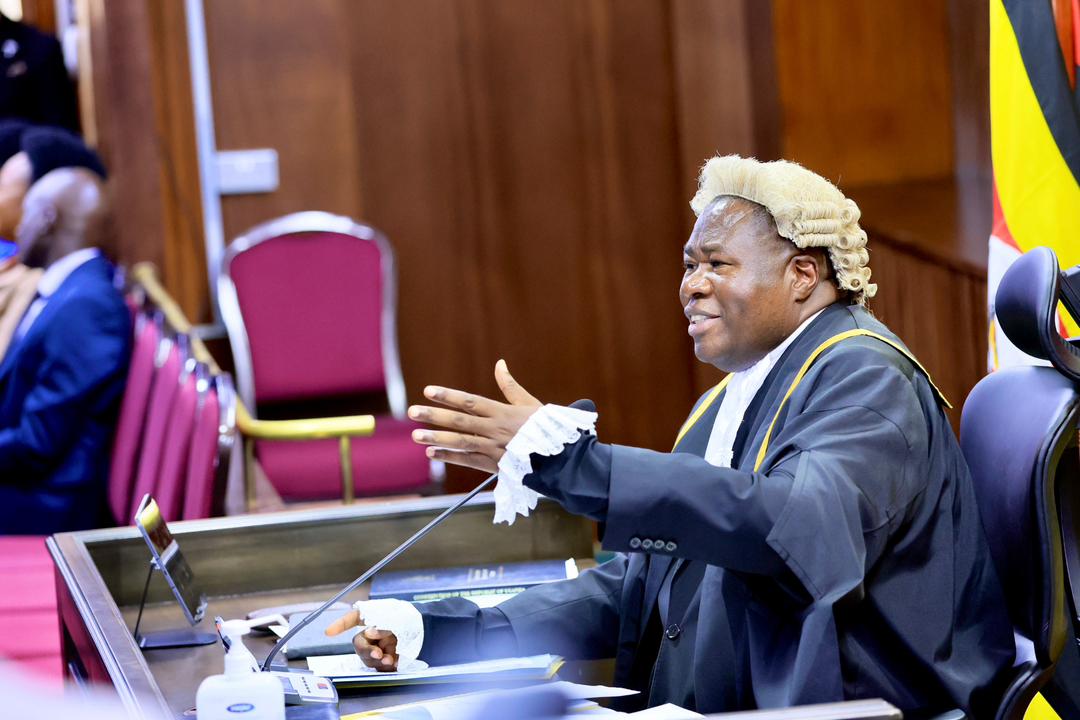
The loan was approved on Wednesday, June 10, during a plenary sitting chaired by the Speaker of Parliament, Rt. Hon. Jacob Marksons Oboth-Oboth.
The project is expected to establish 427 solar-powered irrigation systems across major coffee-growing districts, covering approximately 4,768 acres and directly benefiting an estimated 2,562 households.
The approval came after Parliament suspended Rule 162(2), (3), and (4) of its Rules of Procedure to allow immediate consideration of the request despite the absence of the Committee on National Economy and relevant sectoral committees, which are yet to be constituted under the 12th Parliament.
Defending the decision, Speaker Oboth-Oboth said the urgency of the financing arrangement left Parliament with little choice. “We do not have the committees; that is a reality of fact, and this loan is as important as water itself,” the Speaker said.
The move, however, attracted criticism from some legislators who argued that bypassing committee scrutiny weakened Parliament’s oversight role.
Kassanda North MP Hon. Patrick Nsamba questioned why Parliament was proceeding without committees despite earlier commitments by the leadership of the 12th Parliament to strengthen accountability mechanisms.
“It is not sufficient to just tell us that we do not have committees and yet the people who are supposed to do that are available,” Nsamba said.
Government explained that the financing offer was due to expire on June 13, 2026, necessitating urgent parliamentary approval.
Government Defends Borrowing
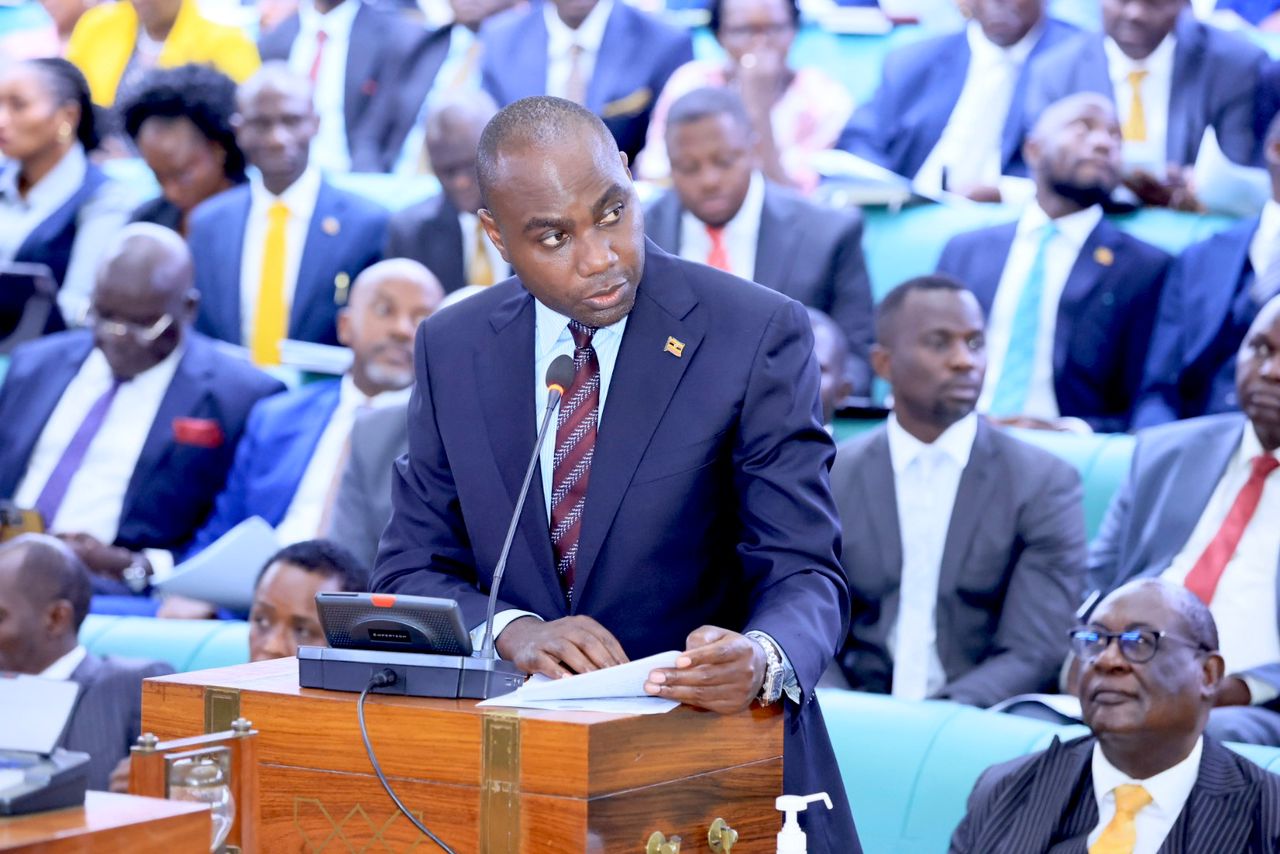
Presenting the motion, Finance Minister Hon. Henry Musasizi said prolonged dry spells and changing weather patterns were increasingly affecting agricultural productivity, particularly coffee farming.
“Currently, farmers are losing a lot of crops due to prolonged dry seasons and this in turn affects their livelihoods,” Musasizi told Parliament. He revealed that the project initially targeted 700 irrigation systems but was scaled down to 427 to fit within the available fiscal space.
Coffee remains Uganda’s leading export commodity and foreign exchange earner.
According to government data, Uganda earned nearly US$1 billion from coffee exports between March 2023 and February 2024 after exporting 6.06 million bags. The sector directly supports about 1.8 million Ugandans and millions more indirectly through the value chain.
The project also seeks to address Uganda’s limited irrigation coverage.
Statistics from the Ministry of Finance indicate that only 23,595 hectares are currently under irrigation despite the country having an estimated irrigation potential of 3.03 million hectares.
Government projects that coffee yields under irrigation could increase dramatically from an average of 1.3 kilogrammes of dried cherries per tree to 6.5 kilogrammes.
Agriculture Minister Hon. Frank Tumwebaze said changing weather patterns had made irrigation an urgent necessity rather than a luxury.
“I appeal to you to make an exception and pass a loan that will support the smallholder farmers because the 10 to 20-acre farmers are not able to borrow from Uganda Development Bank to invest in massive irrigation systems,” Tumwebaze said.
Concerns Over Interest Rates
Despite broad support for the project, some legislators raised concerns about the cost of borrowing.
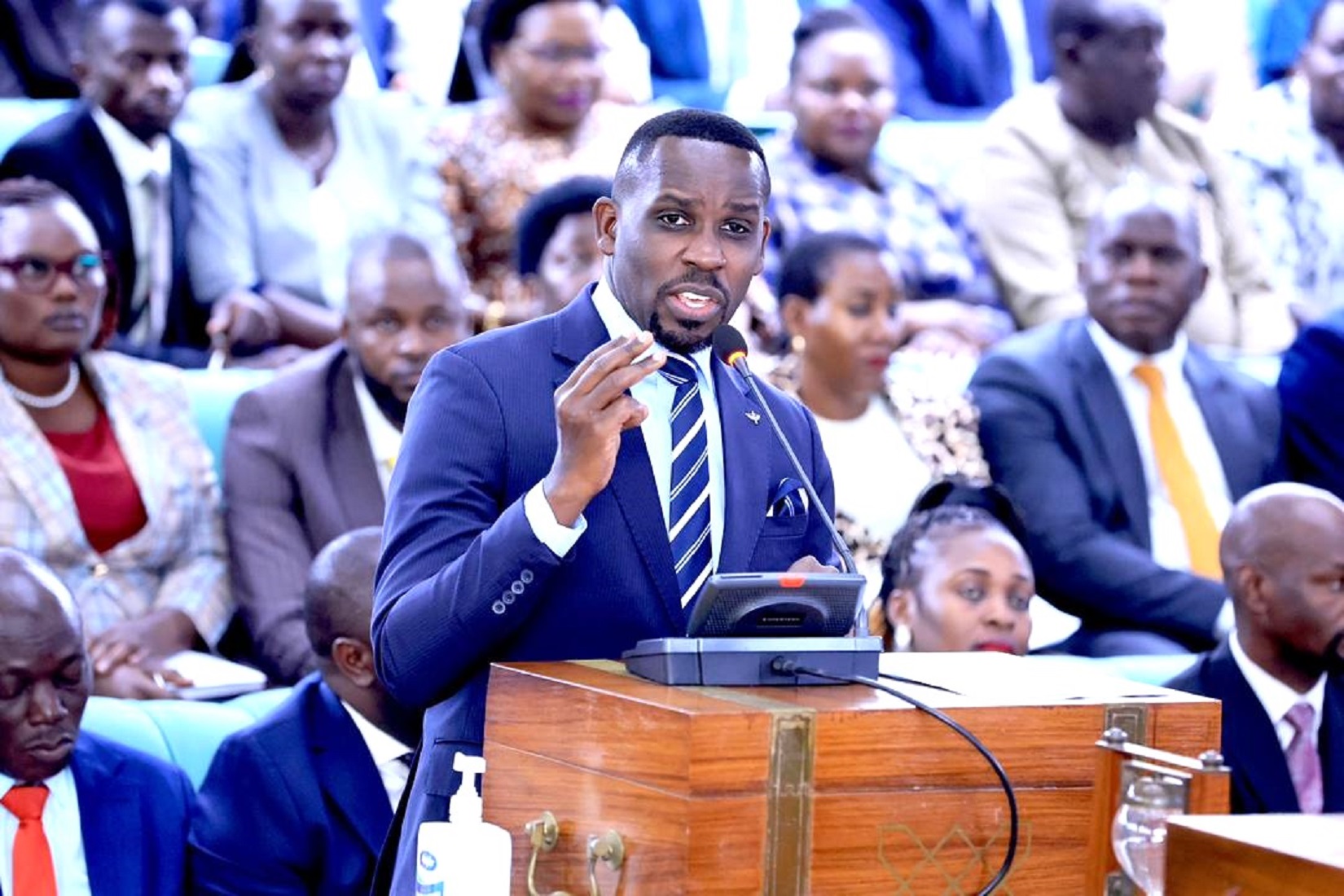
Mbale Industrial Division MP Hon. Karim Masaba questioned the commercial loan component, carrying an estimated interest rate of 7.5 percent. “We have an option at a lower rate than 7.5 percent. We needed to know what options government had with their interest rates and terms and conditions,” Masaba argued.

The financing package consists of a €148.5 million facility backed by UKEF at a fixed interest rate of 3.65 percent, repayable over 13 years, including a three-year grace period. It also includes a €20.5 million commercial facility from Citibank with a seven-year repayment period and an estimated interest rate of 7.5 percent.
But Budadiri East MP Hon. Julius Muntu defended the borrowing proposal, arguing that Uganda’s resource envelope remains insufficient to finance critical development projects.
“Our budget is Shs84 trillion. Shs33 trillion is going into debt, Shs50 trillion is what will be left for public service. We have a deficit of about Shs38 trillion and we have to get it through borrowing,” Muntu said.
Trade Minister Hon. Sanjay Tanna also supported the financing arrangement, arguing that Uganda’s stable inflation environment made it an appropriate time to secure development financing.
Leader of Opposition Hon. Joel Ssenyonyi backed the objective of supporting farmers but demanded accountability for resources invested under the first phase of the irrigation programme.
He urged the government to present a comprehensive performance report showing achievements, challenges, and lessons learned before additional borrowing is undertaken.
Uganda’s Growing Debt Burden
The approval comes amid increasing public debate about Uganda’s debt levels.
According to Ministry of Finance figures, Uganda’s total public debt stock stood at US$34.86 billion by December 2025, representing approximately 52.7 percent of Gross Domestic Product (GDP).
The ministry maintains that Uganda remains within sustainable borrowing limits. For the 2024/25 financial year, public debt stood at US$32.24 billion, equivalent to about Shs116 trillion. This comprised US$15.46 billion (Shs55.6 trillion) in external debt and US$16.79 billion (Shs60.35 trillion) in domestic debt.
However, government says the irrigation loan has already been incorporated into the country’s Debt Sustainability Analysis and medium-term fiscal framework and will not push Uganda beyond internationally accepted debt sustainability thresholds.
If successfully implemented, the solar-powered irrigation project is expected to increase coffee productivity, improve climate resilience among farmers, and contribute to Uganda’s ambition of expanding agricultural exports and rural household incomes.
If you would like your article/opinion to be published on Uganda’s most authoritative news platform, send your submission on: [email protected]. You can also follow DailyExpress on WhatsApp and on Twitter (X) for realtime updates.