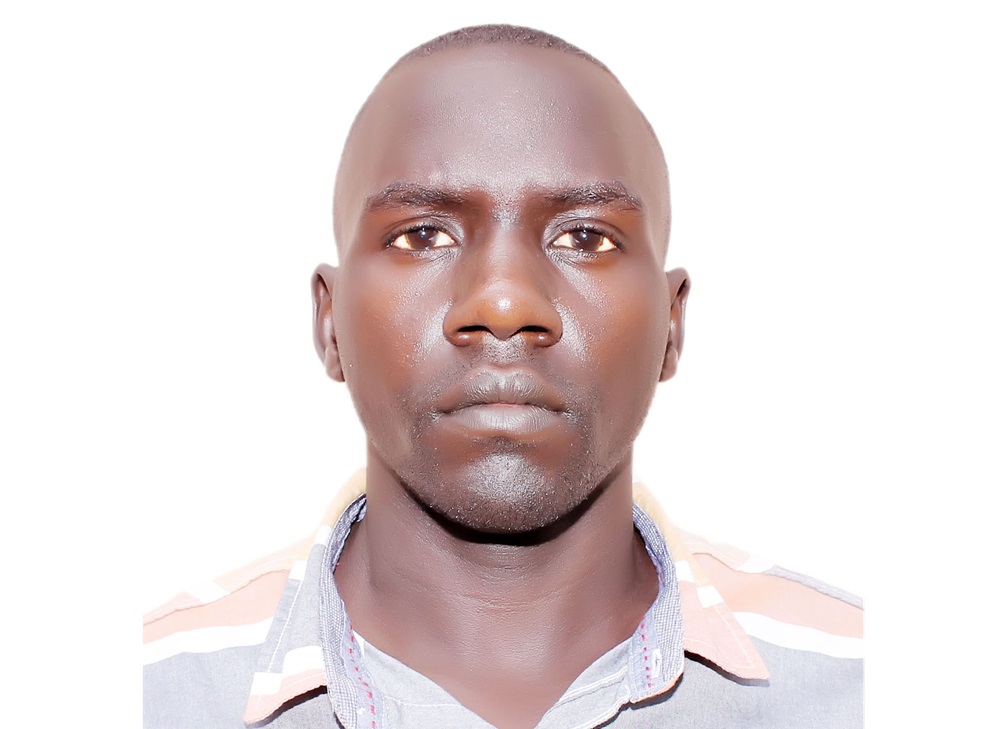
By Patrick Edema
In 2024, the World Bank Group (WBG) and the African Development Bank (AfDB) launched Mission 300, a transformative programme to connect 300 million people in sub-Saharan Africa to electricity by 2030. With 600 million Africans currently lacking electricity and nearly 900 million people without access to clean cooking energy, this initiative promises to be a game changer in addressing energy poverty and unlocking economic opportunities.
Mission 300 aims to expand the electricity grid and increase connections in underserved areas, deploy mini-grids and standalone solar solutions for off-grid communities, and modernise Africa’s energy sector through policy reforms, private sector engagement and infrastructure investment. This initiative is built on strong partnerships between multilateral development banks, African governments, private investors, philanthropies and local communities, making it one of the most ambitious energy access programmes to date. As a result, the AfDB has approved over US$3.9 million to support African countries in implementing their National Energy Compacts under Mission 300.
The Energy Compacts are national plans in which governments set out how they will expand electricity access, strengthen their power sectors and attract investment. Over the past year, dozens of African countries, including Uganda, have launched these compacts, backed by strong political commitments and pledges from development partners.

Uganda’s Energy Compact serves as the country’s flagship national instrument, outlining a unified, results-oriented framework to accelerate the transition towards universal energy access, climate resilience and inclusive green growth. The Compact sets out four targets: access to electricity, access to clean cooking, renewable energy and installed capacity, and private capital mobilisation.
For instance, by 2030, Uganda aims to increase electricity access to 85 percent by adding more than 13 million new connections through grid densification, 2,700 mini-grids and six million standalone solar systems. The country also aims to increase clean cooking access from 25 percent to 50 percent of the population by 2030, serving more than 4.6 million additional households with a segmented fuel mix comprising LPG, electricity, bioethanol, biogas and improved cookstoves.
Uganda further plans to expand power generation from 2,099MW to 8.3GW by 2030, while mobilising US$9.4 billion in private capital across electricity generation, transmission and clean cooking through competitive auctions, the Independent Power Transmission (IPT) framework, the Green Energy Facility, green bonds and carbon finance to support the country’s Tenfold Growth Strategy by 2040.
However, whereas the government has significantly increased Uganda’s installed electricity generation capacity from 609.4MW in 2012 to 2,098.6MW and implemented policies such as the Free Electricity Connection Policy (2018–2027) to raise electricity access to 60 percent by 2027, national grid electricity access currently stands at only 25.3 percent, while rural access lags at just 9.1 percent.
In terms of clean cooking, only 3.8 percent of households use clean fuels and technologies for cooking. In urban areas, 6.5 percent of households use clean cooking energy compared to only 1.9 percent in rural areas. The continued dependence on wood fuel for cooking has negative consequences for both public health and the environment.

As a result, the majority of rural households still rely on inefficient and costly energy sources such as firewood, charcoal, kerosene and solar lamps, leading to severe health and environmental repercussions as well as economic losses, particularly affecting women and girls. Notwithstanding Uganda’s evident commitment to enhancing rural electrification through substantial investments in infrastructure and subsidies, a critical gap persists between policy intentions and implementation due to inadequately addressed issues such as high initial connection costs, affordability and reliability.
In addition, the electricity sector continues to struggle with prolonged power outages, unstable electricity supply characterised by frequent interruptions, vandalism of infrastructure and other operational challenges. Indeed, a Business Climate Index (BCI) survey conducted by the Economic Policy Research Centre (EPRC) found that 42 percent of businesses experienced some form of electricity instability between April and June 2025. The Auditor General also observed in 2025 that hospitals struggled with unreliable electricity supply amid limited backup power capacity.
Therefore, Mission 300 has the potential to transform Uganda’s energy landscape, but only if it expands its focus beyond increasing electricity connections and installed generation capacity. The real issue is not technical. Uganda’s energy access challenges stem from existing problems within the electricity sector that prevent people from benefiting from the available surplus power. Addressing these sector challenges is the key to improving energy access across the country.
The author writes on behalf of the Community Climate and Energy Shield Initiative (CCESI).
If you would like your article/opinion to be published on Uganda’s most authoritative news platform, send your submission on: [email protected]. You can also follow DailyExpress on WhatsApp and on Twitter (X) for realtime updates.