Standfirst
Uganda has elected a new generation of LC1 Chairpersons. While they assume office as grassroots administrators, the Government should seize this opportunity to equip them with basic judicial and mediation skills that can strengthen access to justice, reduce court backlogs and promote peaceful dispute resolution at the village level.
By Bagarukayo Abdu
Today marks another important day in the life of our communities as Ugandans have gone to the polls to elect their LC1 Chairpersons. To all the men and women who have emerged victorious, I extend my heartfelt congratulations.
Winning the trust of your neighbours is no small achievement. You have been chosen not because of money or big titles, but because the people believe you understand their problems, you live among them, and you can be the first voice they turn to in both joy and trouble.

The LC1 office is the closest arm of government to the people. It is at the village level where land disagreements start, where family misunderstandings escalate, where debts are owed, and where small disputes can either be solved quickly or grow into bigger conflicts. For many Ugandans, the LC1 Chairperson is the first, and sometimes the only, “court” they will ever access. That is why your role goes far beyond mobilization and security. You are already mediators, counsellors and record keepers by default.
Given that responsibility, I would like to make a humble request to the Government of Uganda. Let us now take the next step and equip our LC1 Chairpersons with the proper knowledge to handle judicial matters at the village level.
Many of our courts in the districts and in Kampala are overwhelmed with cases that could have been resolved at the grassroots if local leaders had clear training and guidance. A simple boundary dispute, a case of unpaid school fees or a minor assault often ends up in a police station or magistrate’s court, taking months, and sometimes years, to conclude. This creates a backlog and leaves ordinary citizens frustrated by bureaucracy and costs they cannot afford.
We do not have to look far for a model. Our neighbours in Rwanda faced a similar challenge after the genocide and introduced the Gacaca Courts. These were community-based courts where local leaders, after receiving training, were empowered to hear and resolve cases in an open, transparent and timely manner. The result was not only a reduction in case backlog but also healing and reconciliation at the community level. People felt justice was near them rather than far away in a distant town.
Uganda can adopt a similar approach, adapted to our own laws. If LC1 Chairpersons are trained in basic law, evidence, mediation and record keeping, they can handle small civil and minor criminal matters right in the village. This would not replace the formal courts but would instead serve as a first filter. Cases that fall outside their mandate can still be referred to higher courts, while the majority of minor disputes would be resolved where they begin.

Such an approach would reduce the burden on magistrates, lower litigation costs for citizens and bring justice closer to the people.
To all the newly elected LC1 Chairpersons, congratulations once again. The people have entrusted you with a great responsibility. Serve with fairness, honesty and the understanding that leadership is ultimately about service.
To the Government of Uganda, I urge you to invest in training these leaders. A trained LC1 Chairperson is not merely an administrator. They become a pillar of justice, peace and development within the village.
When justice is timely and accessible, communities become stronger. Let us make that a reality, beginning at the village level.
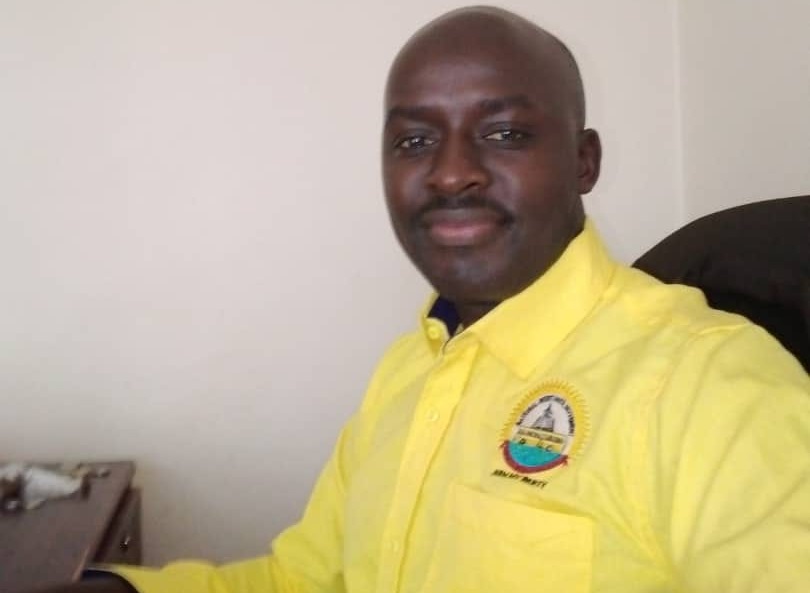
The writer is an NRM Cadre.