
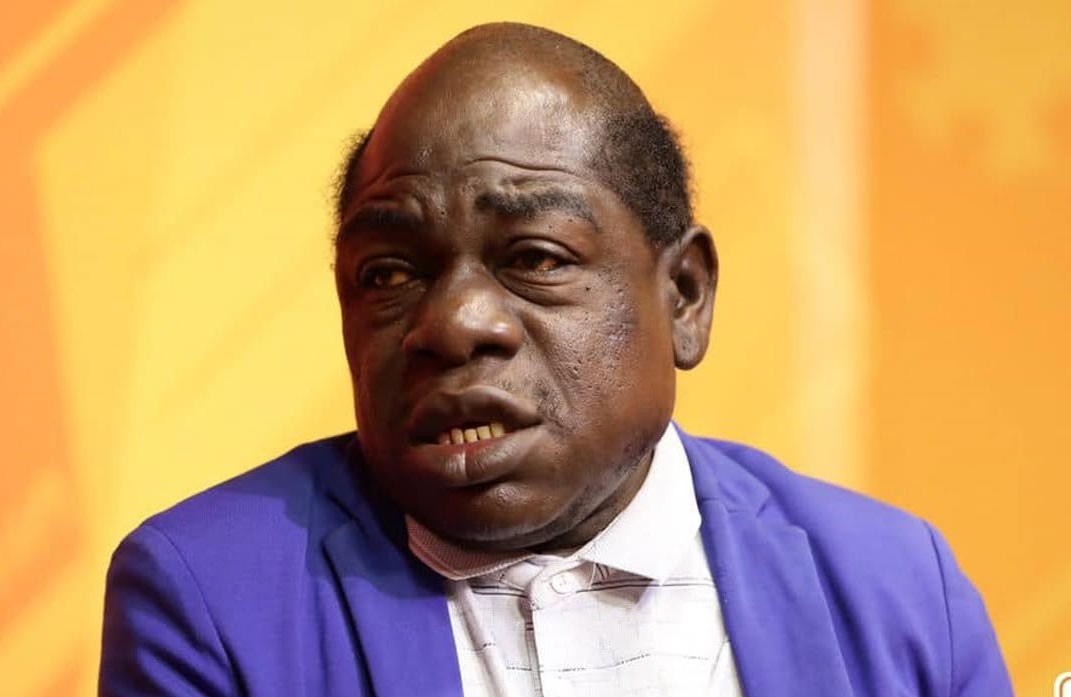
In Summary: From childhood health struggles and rejection over his appearance to becoming one of Uganda’s recognisable comedy personalities, Yokana Mbuuse, popularly known as Kapere Lufotose, built a career around the very features that once made life difficult for him. His journey took him from construction sites and making keyholders to the Amarula Family stage, music videos and, later, political activism.
Kampala, Uganda — For years, Yokana Mbuuse, better known as Kapere Lufotose, made Ugandans laugh with his distinctive appearance, exaggerated facial expressions, and unconventional stage performances. Behind the entertainer who could trigger laughter simply by walking onto a stage, however, was a man whose journey to fame was shaped by childhood struggles, rejection and an unexpected opportunity.
Kapere, who died at a hospital in Buddo, Wakiso District, on Sunday, November 1, 2026, became a familiar face through the Amarula Family comedy outfit, performing alongside Allan Mujuni, popularly known as Amooti, and Nicholas Mpiirwe, alias Messe Bontwe.
His death was announced by National Unity Platform (NUP) president Robert Kyagulanyi, also known as Bobi Wine, who remembered him as a friend and comrade whose humour could make difficult moments lighter.
But Kapere’s story went beyond comedy. He built a public identity around an appearance that had exposed him to ridicule, survived a childhood health condition that interrupted his education, found a livelihood outside formal employment and eventually turned his unusual journey into an entertainment career.
From childhood struggles to a second chance
In a February 2013 interview with Daily Monitor, Kapere spoke openly about the challenges he experienced growing up, particularly a hernia condition that affected his ability to play with other children.
He said the condition worsened and left him physically weak, while the fear of aggravating it made him withdraw from school and spend much of his time at home.
The condition also exposed him to teasing from his peers. With limited opportunities, he eventually started looking for casual work at construction sites to earn a living.
It was during this period that he met a man identified as Bashir, who became his friend and helped him seek assistance for his medical condition.
After an initial attempt to attract public attention through a local newspaper did not produce help, his story was eventually published in an English-language sister publication. The report attracted the attention of people associated with Mukisa Foundation in Lungujja, which offered to help him.
Kapere said he underwent treatment and surgery at no cost, eventually recovering from the condition.
His benefactors also taught him how to make keyholders using wires and beads. He recalled receiving $100 to start the small business and said he could make about 150 keyholders a day, earning an average of Shs450,000 at the time.
He later operated a workshop at the foundation’s premises while also working as a gatekeeper.
The experience gave him a source of income at a time when he was still finding his place in life. It was, however, an unexpected encounter on his way to town that would change his fortunes.
The taxi driver who saw a comedian
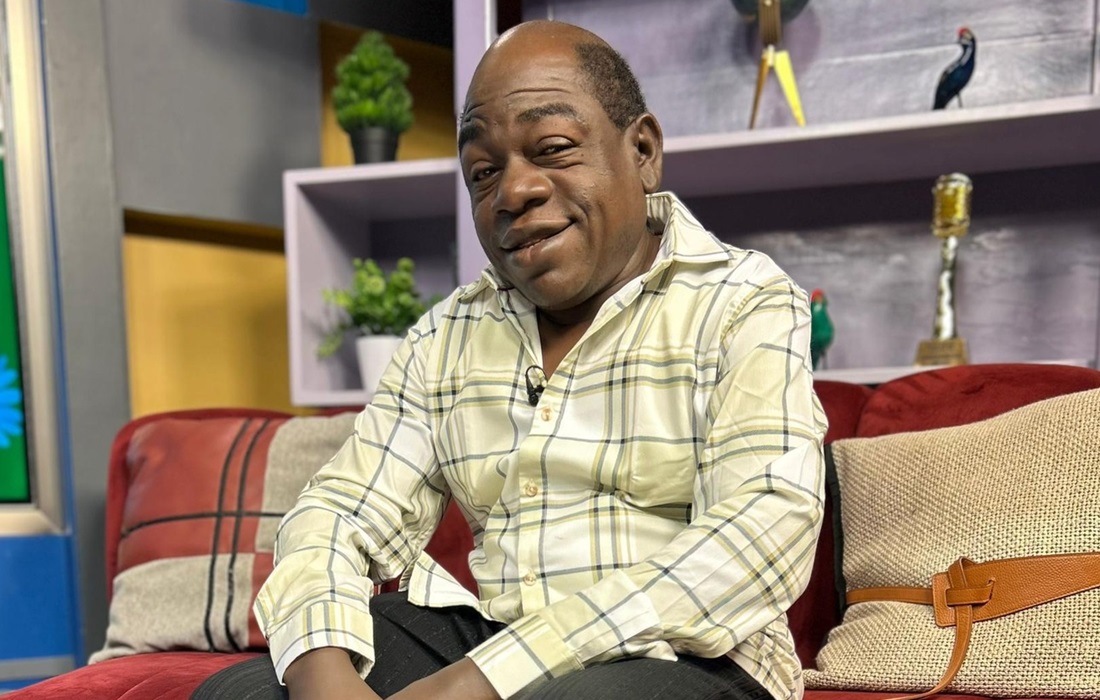
Kapere’s entry into comedy was largely accidental.
He recalled that one day he came across a crowd gathered around a comedian shooting a commercial. The performer was making faces and had cross-dressed, drawing laughter from the people watching. Kapere stopped, watched the performance and continued with his journey.
On his way back, a driver stopped him and told him that he was sitting on gold. When Kapere asked what he meant, the driver told him that his appearance could make him a comedian and directed him to Amooti at Jenina’s Bar in Nakulabye.
Kapere followed the advice, although his arrival at Amooti’s home was not particularly welcoming. He recalled being greeted by barking dogs before eventually meeting the comedian.
After listening to his story, Amooti warned him that comedy was not as easy as it appeared and asked him to return on a Thursday.
When he returned, Amooti gave him an opportunity to perform before an audience.
Kapere said he was initially confused when people began laughing as soon as he appeared. Amooti explained that the audience was responding to his appearance, prompting him to learn to laugh at himself.
That first performance marked the beginning of his career on stage.
His debut skit was titled Lufotoose, inspired by a public war of words between a prominent businessman and a Kadongo Kamu musician. The performance was well received and helped establish the stage identity that would become synonymous with his name.
Finding fame with Amarula Family
Kapere went on to become a popular actor with Amarula Family, a comedy outfit that helped popularise Luganda-language comedy through stage performances and televised skits.
The group brought together performers including Amooti and Messe Bontwe, with Kapere developing a distinctive style built around facial expressions, physical comedy, dancing and an ability to entertain audiences without necessarily saying much.
In the 2013 interview, Amooti described him as a natural performer who did not always need extensive script instruction. He said Kapere could quickly understand a skit and suggest ways of improving it during rehearsals.
Amooti also recalled that Kapere was initially reserved and hardly spoke when he joined the group, but gradually became more confident, social and comfortable interacting with people.
Kapere, meanwhile, said his appearance often did much of the work before he even began performing. He explained that audiences would cheer, laugh or ask him to smile as soon as he appeared.
In colloquial Luganda, the name Kapere can be used to describe someone who is funny or phoney. Mbuuse turned the name into an identity that audiences readily associated with comedy.
He also embraced the physical features that had once attracted ridicule, insisting that he did not consider them a disadvantage. “I am ugly and proud to be so, I am not sure I would have the fame, friends and have a decent life like I do today,” he told Monitor in 2013.
He added that his appearance had opened doors for him, allowing him to be recognised in public places, clubs, bars and at social functions.
From comedy stage to music videos
Kapere’s comic appeal was not confined to Amarula Family performances. He also appeared in music videos, with one of his most recognisable appearances being in Bobi Wine’s Mr Money.
In the video, he played a wealthy Muslim man dressed in a white robe and cap, portraying a character who believed money could win him love.
He flaunted car keys and a land title while trying to convince a woman known as Cate to accept his proposal and become his younger wife.
The role was selected for its comic value and the character’s distinctive appearance, according to the production team quoted in the 2013 Daily Monitor profile.
His appearance in the video also provided an early connection between the comedian and Bobi Wine, a relationship that would later extend beyond entertainment.
Family life and the search for acceptance
Away from the stage, Kapere’s personal life also attracted public interest, particularly his relationship with Lydia Nakandi, popularly known as Mama Trump.

In a February 2026 profile published by Daily Monitor, the couple spoke about a relationship that had lasted 14 years, despite the public judgement and prejudice Kapere had experienced because of his appearance.
Kapere revealed that finding lasting love had not always been easy. He said some women were unwilling to be publicly associated with him, leaving him uncertain whether he would find someone who genuinely accepted him.
His relationship with Nakandi began during an Amarula Family performance trip to Jinja, where they met at Queen’s Palace.
According to the couple’s account, Kapere noticed Nakandi after a disagreement with security at the entrance and offered to pay for her entry. They began talking, and she later watched his performance.
They exchanged contacts, but lost touch after Nakandi misplaced her phone. They reconnected months later when Kapere tried calling her old number ahead of another performance in Jinja. By then, she was pregnant. Kapere said he promised to take responsibility for her and their child.
Their relationship endured and became one of the personal chapters of his life that he spoke about publicly. The couple had children together and were described in the 2026 profile as having stood by each other through years of public scrutiny.
When comedy stopped paying the bills
Despite his popularity, Kapere’s career also reflected the financial uncertainty that many entertainers face.
In October 2023, he told New Vision that he was considering turning to music because comedy was no longer providing him with reliable income. “I have tried comedy, but now let me try singing. Most times, I do not get comedy gigs. My aim is to build a house for my children and wife,” he said.
The remarks offered a glimpse into the difference between public recognition and financial stability in the entertainment industry.
Even after becoming a recognisable performer, Kapere still had to contend with inconsistent bookings and the challenge of providing for his family.
In the weeks before his death, he was also reported to have spoken about difficulties facing comedians, including declining performance opportunities and financial challenges in the local entertainment industry.
Politics and his association with Bobi Wine
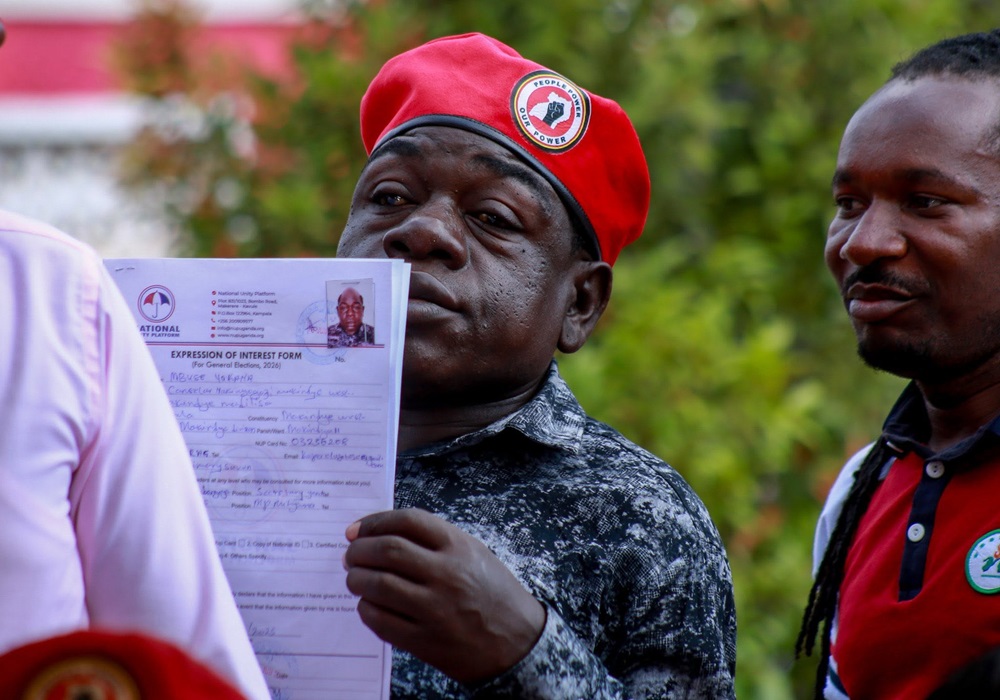
Kapere’s relationship with Bobi Wine eventually developed beyond their shared entertainment background. He became an outspoken supporter of the NUP leader and later expressed interest in participating in elective politics.
In 2025, he reportedly picked up nomination forms under NUP to contest for a councillor position in Makindye, seeking to translate his public profile into community representation.
Kapere also travelled to Dubai alongside Bobi Wine in January 2025, further drawing attention to their association.
His political ambitions added another dimension to a public life that had largely been built around comedy and entertainment.
NUP leaders were among those who paid tribute following news of his death. Kyagulanyi described him as a brother, friend and comrade who loved his country and wished it well.
Leader of the Opposition Joel Ssenyonyi also mourned him, saying he had met Kapere at the party headquarters in Kavule just a week before his death.
A legacy built on turning difference into identity
Kapere’s journey was unusual even by the standards of the entertainment industry. The physical features that attracted public attention and subjected him to ridicule during childhood eventually became central to his professional identity.
He did not hide from the attention. Instead, he learned to work with it, turning the audience’s reactions into a performance style that made him recognisable.
From his first appearance at Jenina’s Bar to Amarula Family performances, music videos and his later involvement in politics, Kapere built a public life that reached beyond the stage.
His death leaves behind memories of a comedian who could make audiences laugh before delivering a punchline, but whose life also reflected the struggles of people seeking acceptance, opportunity and a livelihood.
If you would like your article/opinion to be published on Uganda’s most authoritative news platform, send your submission on: [email protected]. You can also follow DailyExpress on WhatsApp and on Twitter (X) for realtime updates.