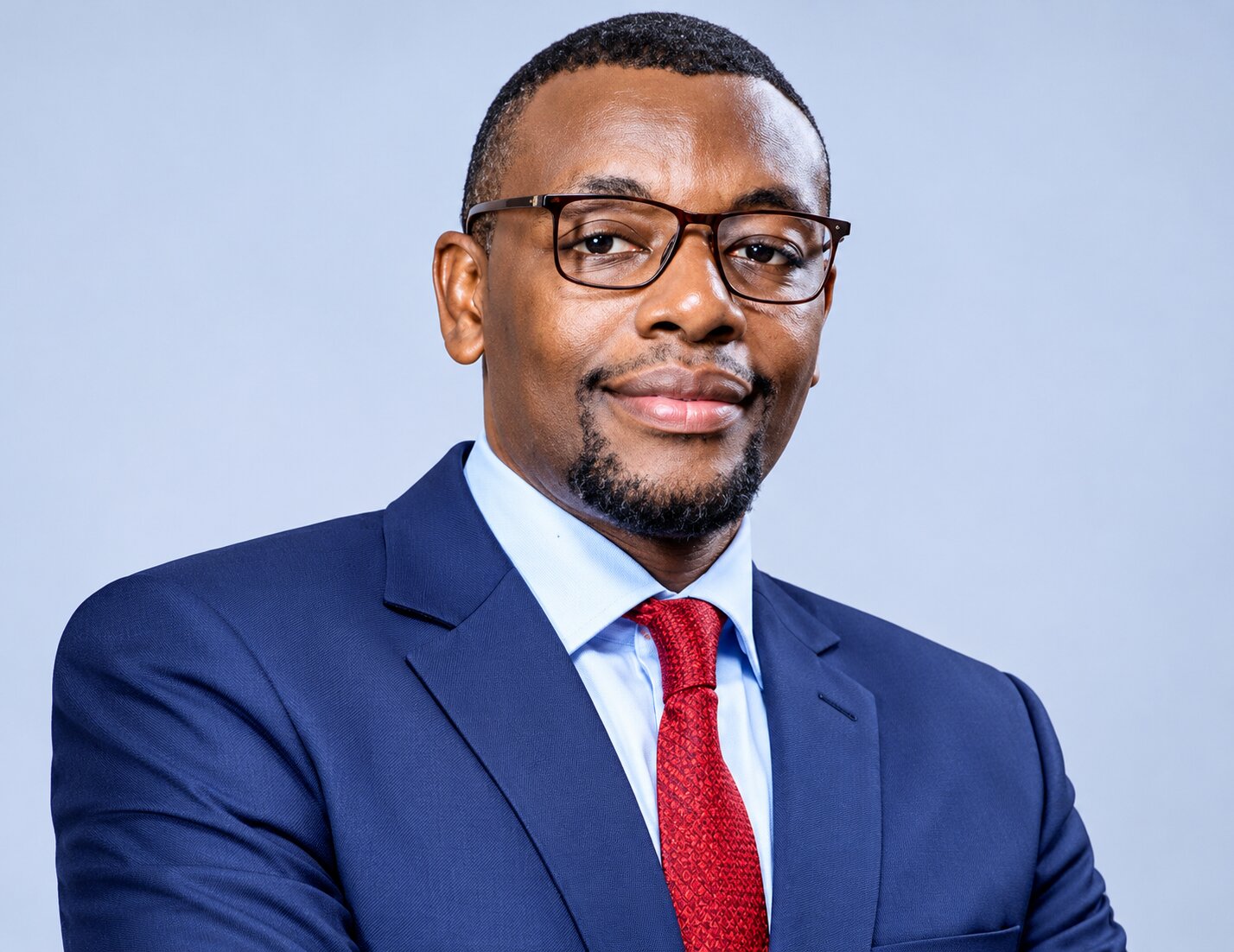
By Kakwenza Rukirabashaija
Ugandan elites have a peculiar habit of lecturing the rest of us that we should attack ideas, not the people advancing them. It sounds wonderfully civilised, especially when pronounced in polished English by somebody wearing a suit, but when you examine some of the people demanding this intellectual courtesy and the things they bring to public debate, you begin to wonder.
First, violence is not an idea, torture is not an ideology, abduction is not a philosophical school of thought and unlawful detention is not an alternative interpretation of constitutionalism. So, when somebody comes onto national television or social media to defend the torture of citizens or the violation of the law, what exactly are we supposed to debate there? Must we invite ghosts of Aristotle, John Locke and Montesquieu to establish whether breaking somebody’s legs in detention constitutes a legitimate contribution to political discourse? Really?
There are matters upon which reasonable people may disagree; that is, we can debate economic policy, constitutional reform, federalism, land ownership, taxation, quality of education, healthcare and the ideological direction of our country. These are questions deserving serious intellectual engagement on equal ground, but when somebody enters a TV studio or social media platform to justify torture – an absolute prohibition in law – we are no longer discussing competing ideas. We are simply witnessing an attempt to dress, make up, lipstick cruelty and put it in a necktie and introduce it to the public as political philosophy or idea.
And this is where some of our public intellectuals become extraordinarily ridiculous. A fellow arrives at a TV/radio station and begins explaining why the abuse of a fellow citizen like Kizza Besigye, Sam Mugumya, among others, should be understood in the broader context of national security.
The moderator, determined to demonstrate professional neutrality, thanks him for his interesting perspective and invites another panellist to respond. And the moderator presents themselves out there as a person of integrity as well, while giving an audience to people who launder rights abuses. Before long, I often watch by the way, from the confines of my exile, the entire programme has become a horticultural symposium in which one individual debates another about the constitutional benefits of trampling human beings. Journalistic balance does not require placing human dignity on one side of the table and an enthusiastic defender of brutality on the other, then announcing that both have made equally compelling points.
There is nothing intellectually sophisticated about defending cruelty or giving it a platform to exercise free speech. Free speech does not promote torture or violence. A man who defends or abets the deliberate violation of another person’s fundamental rights should expect his reasoning, judgment, and moral consistency to be subjected to the most merciless public scrutiny-accurate description/insults.
Personal liberty is one of our natural and inviolable rights, and any interference with it, whether at our own doorstep or that of a stranger, must concern us all. Judges bear a particularly solemn duty to protect this right without any excuse. These judicial officers may be called upon to intervene while stopped in traffic or even while seated at their dining tables, because the protection of liberty cannot be postponed to suit the convenience of judicial working hours.
What profoundly disturbs me is the contradiction between this extraordinary duty or calling and the conduct of some judges who, when the security personnel unlawfully deprives a citizen of liberty, suddenly become timid, indifferent or excessively preoccupied with procedural technicalities despite boasting of independence.
A judge who possesses the power to intervene but deliberately declines to exercise it in the face of unlawful detention does not merely neglect a duty; s/he risks converting the Judiciary from a guardian of liberty into an instrument through which its violation is tolerated and legitimised.

If we want to improve our country, we must challenge this intellectual dishonesty/fraud wherever it appears. We must refuse to allow public office, wealth, academic qualifications or proximity to power to confer automatic respectability upon arguments that excuse injustice.
We must use our voices to expose the contradictions, name the conduct and ridicule the pretensions of those who attempt to make cruelty sound respectable.
The writer is a lawyer, novelist, and playwright.
If you would like your article/opinion to be published on Uganda’s most authoritative news platform, send your submission on: [email protected]. You can also follow DailyExpress on WhatsApp and on Twitter (X) for realtime updates.