
In Summary: Parliament’s HIV/AIDS Committee has identified gaps in awareness, confidential testing, prevention supplies and youth-friendly services during an assessment of learning institutions in northern Uganda. At Gulu University, students reportedly face barriers linked to staffing shortages, condom supplies and the location of the HIV service unit, while schools say limited funding and inadequate training are affecting prevention efforts.
Gulu, Uganda — Uganda’s ambition to end AIDS as a public health threat by 2030 could face renewed challenges following concerns over inadequate HIV/AIDS awareness, limited access to prevention services and persistent stigma among young people in institutions of learning.
The concerns have emerged during an assessment by Parliament’s Committee on HIV/AIDS and Related Matters, which is visiting educational institutions in northern Uganda to establish the extent of HIV prevention, care and support services available to students.
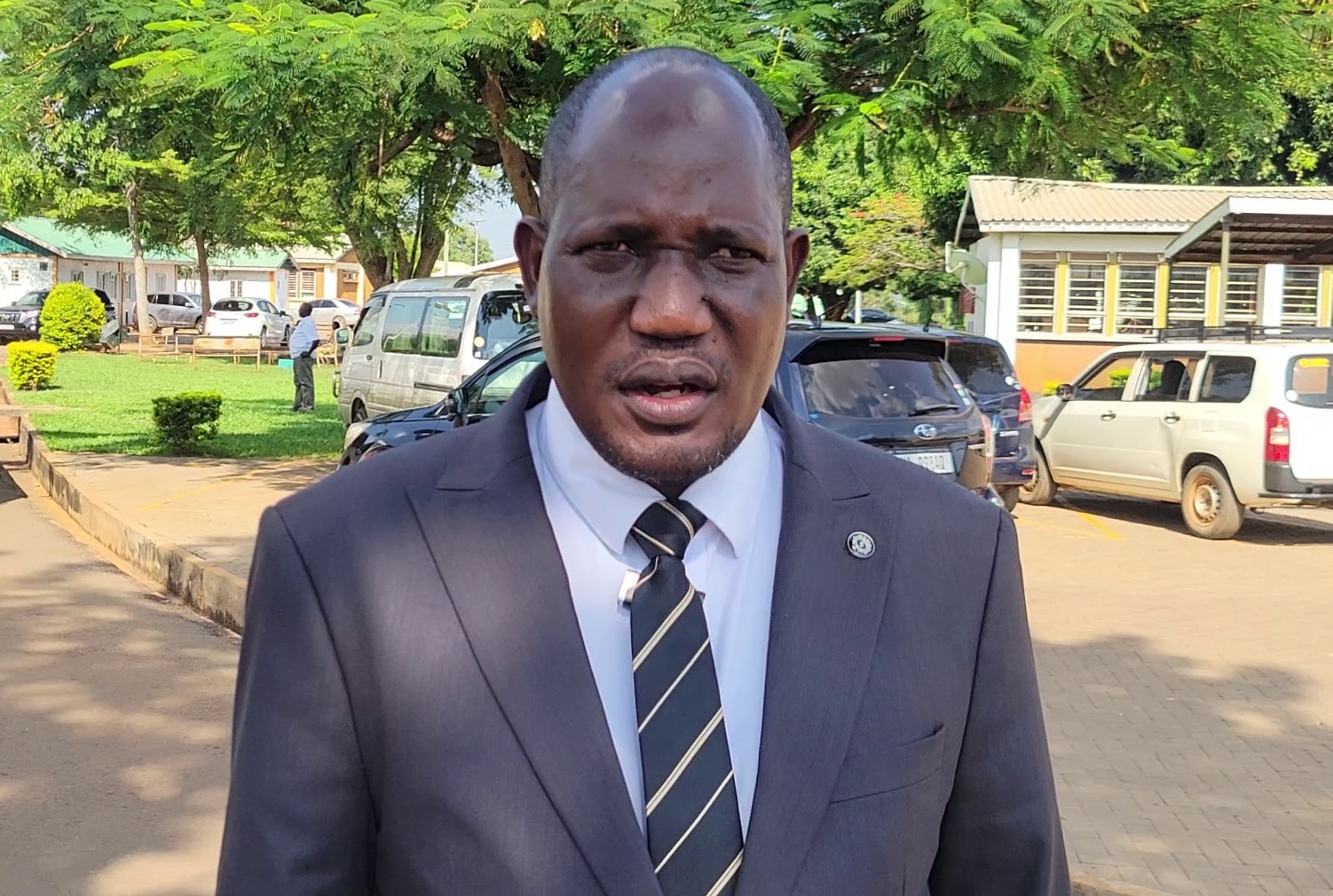
The committee, chaired by Luuka South County MP Kisa Stephen, says a significant information gap exists among young people aged 15 to 24, a population that includes many students and remains vulnerable to new HIV infections.

Kisa said inadequate awareness and commitment among young people could undermine Uganda’s gains in the fight against HIV/AIDS.
He expressed concern that some young people appear more worried about unintended pregnancies than contracting HIV, which he said reflects gaps in risk awareness and prevention behaviour.
The parliamentary assessment is seeking to establish whether learning institutions have the capacity to provide HIV testing, prevention, treatment referrals, psychosocial support and other services necessary to protect young people.
The exercise comes amid national HIV estimates showing that young people continue to account for a significant share of new infections.
According to estimates cited from the Uganda AIDS Commission’s 2024 UNAIDS data, Uganda recorded approximately 38,000 new HIV infections in 2023, with about 15,000 among young people aged 15 to 24. An estimated 80 per cent of infections among young people were recorded among adolescent girls and young women.
The figures underscore the need for stronger interventions targeting young people, particularly girls and young women.
At the Uganda Institute for Teacher Education (UNITE), Unyama Campus, Dean Pario Lot Ewaku said the institution had registered relatively low HIV prevalence among its approximately 600 students, with the figure estimated at below five per cent.
Ewaku said the institution works with nearby health facilities to ensure students living with HIV receive appropriate care while maintaining strict confidentiality.
The campus has also trained peer educators who work alongside the medical team to promote HIV awareness and encourage preventive practices among students.
He added that HIV/AIDS interventions had been integrated into the institution’s Health and Sanitation Unit.
However, Ewaku identified several challenges affecting the implementation of the interventions, including the absence of clear operational guidelines, stigma and discrimination, inadequate budgeting and limited resources.
At Gulu University, students and health workers said staffing shortages and inadequate supplies of condoms were affecting the delivery of HIV prevention and care services.
They also pointed to the location of the university’s HIV service unit, situated behind the main hall, as a barrier to access, with some students reluctant to visit the facility for fear of being identified and stigmatised.
The distance between the service point and some faculties also makes access difficult, particularly for students who must spend money to reach the facility.
At Gulu Senior Secondary School, which has more than 3,000 students, Head Teacher Irene Mwaka said the school was working with partner organisations to improve access to HIV/AIDS information and services.
Mwaka said the school had established clubs that address HIV/AIDS and related concerns, including drug abuse, which can expose young people to risky behaviours.
However, she said the school’s ability to influence students was limited because it operates as a day school, leaving administrators with little control over what learners do after leaving school.
She called for increased government funding for HIV interventions, arguing that the 0.1 per cent allocation cited for government institutions was insufficient to meet the growing needs.

Student leadership is also emerging as an important component of the prevention campaign.
Okello Moses, a student leader at Gulu Senior Secondary School, said peer-to-peer engagement provides students with a comfortable environment to discuss HIV/AIDS and other sensitive issues.
He commended the school administration for its interventions but called for continuous capacity building among teachers, saying some lacked the knowledge and skills to appropriately handle students’ concerns about HIV/AIDS.
Okello also acknowledged the contribution of organisations such as SOS, which have equipped student leaders with information about risks that could expose young people to HIV infection.
He urged fellow students to remain focused on their ambitions, avoid risky behaviours and take responsibility for their health, particularly during school holidays.
He also called on parents to maintain close communication with their children and provide guidance when they are away from school.
Young people remain at risk
The Uganda AIDS Commission’s national estimates show that Uganda has made progress in reducing new HIV infections, but young people continue to carry a significant share of the burden.
The Commission’s 2023 HIV/AIDS factsheet, based on data up to December 2022, estimated 19,000 new infections among people aged 15 to 24, including 15,000 among young women and 4,000 among young men.
More recent estimates for 2023 put new infections among young people aged 15 to 24 at approximately 15,000 out of 38,000 infections nationally, with young women accounting for about 80 per cent of infections in this age group.
Preliminary findings from Uganda’s 2025 Population-Based HIV Impact Assessment put HIV prevalence among young people aged 15 to 24 at 1.5 per cent, with prevalence higher among young women at 2.0 per cent compared with 1.0 per cent among young men.
The findings highlight the continuing vulnerability of young people, particularly adolescent girls and young women, and the importance of strengthening school-based awareness, confidential testing, access to condoms, psychosocial support and youth-friendly health services.
Committee chairperson Kisa Stephen said Uganda could achieve its 2030 target if renewed efforts were directed towards young people and institutions of learning.
He said the parliamentary engagement was intended to identify gaps and generate practical recommendations to strengthen HIV prevention and care services.
If you would like your article/opinion to be published on Uganda’s most authoritative news platform, send your submission on: [email protected]. You can also follow DailyExpress on WhatsApp and on Twitter (X) for realtime updates.