By Kamara Daniel
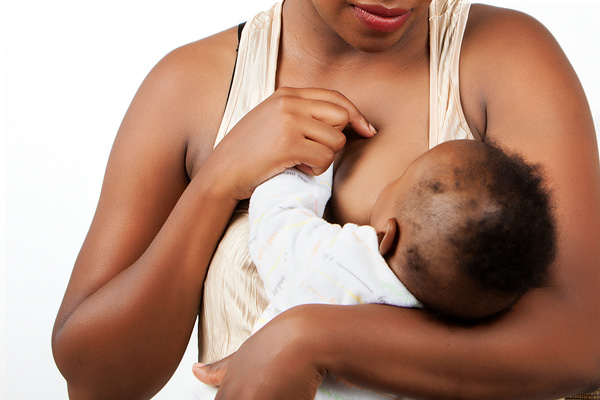
In Uganda, breastfeeding is more than a cultural norm it is a nutritional and public health imperative. As of 2025, exclusive breastfeeding for the first six months of life is recognized by the Ministry of Health and global health bodies as a life-saving, nutrient-dense intervention that supports both infant growth and maternal well-being.
The Nutritional Superiority of Breast Milk; Breast milk is a biologically perfect food for infants. It contains all the essential nutrients, proteins, fats, carbohydrates, vitamins, and minerals required for optimal physical and cognitive development.
Unlike infant formula or cow’s milk, breast milk is easily digestible, sterile, and changes composition over time to meet the evolving needs of the growing child.
For example, colostrum, the thick yellowish milk produced in the first days after birth, is low in fat but high in protein, antibodies, and immune-protective factors such as immunoglobulin A (IgA). It lines the baby’s gut, protecting against infections and supporting the development of the infant’s immune system. As breastfeeding continues, the milk transitions into mature milk, rich in lactose, fats, and micronutrients like calcium, phosphorus, and vitamin A all essential for strong bones, brain development, and vision.
Energy and Nutrient Contributions Beyond Six Months; While breast milk alone is sufficient for the first six months, its nutritional value continues well into the second year of life. Between 6 and 12 months, breast milk provides up to 50% of a child’s daily energy needs. Between 12 and 24 months, it still covers approximately one-third of those needs.

In a country like Uganda, where malnutrition remains a persistent challenge affecting 29% of children under five with stunting and significant pockets of micronutrient deficiencies continued breastfeeding acts as a nutritional buffer. During episodes of diarrhoea, fever, or other illnesses, breast milk remains the most tolerable and vital food source, contributing fluids, electrolytes, and protective antibodies that aid recovery.
Micronutrient Profile and Absorption Efficiency; Breast milk also offers a unique advantage in terms of micronutrient bioavailability. Nutrients such as iron, zinc, and calcium are better absorbed from breast milk than from plant-based complementary foods. While the absolute amount of iron in breast milk is low, its high absorption rate (around 50%) ensures that infants who are born with adequate iron stores can meet their early iron needs through exclusive breastfeeding alone. This becomes particularly crucial in regions where iron-deficiency anaemia is prevalent among children and women of reproductive age.
Vitamin A important for immune function and eyesight is also present in breast milk. Mothers who consume adequate diets rich in animal sources or fortified foods can pass on sufficient vitamin A to their infants, helping to prevent childhood blindness and severe infections.
Breastfeeding and Growth: Preventing Undernutrition and Overnutrition
In Uganda, undernutrition often coexists with the emerging problem of childhood overweight and obesity, especially in urban areas. Breastfeeding plays a role in preventing both extremes. Evidence shows that children who are breastfed exclusively are less likely to be overweight later in life. The self-regulated feeding nature of breastfeeding helps infants learn appetite control, which may prevent future eating disorders and metabolic diseases like diabetes.
Furthermore, breastfed children tend to have better height-for-age and weight-for-age scores when complementary feeding is introduced at the appropriate time around six months. This outcome is not only due to the nutrient profile of breast milk but also because of the lower exposure to pathogens and food contaminants in early life.
Maternal Nutrition and Breast Milk Quality; The quality of breast milk is closely linked to the mother’s nutritional status. A well-nourished mother can produce milk with optimal levels of vitamins A, D, B6, B12, iodine, and fatty acids. In Uganda, where many women of reproductive age suffer from micronutrient deficiencies, nutrition education during antenatal and postnatal care is critical.
The promotion of a diversified diet rich in fruits, vegetables, legumes, animal products, and fortified foods ensures both maternal health and high-quality breast milk.

Iron and iodine supplementation during pregnancy and lactation, as recommended by Uganda’s Ministry of Health, also enhances the nutritional content of breast milk, contributing to improved infant cognitive development.
Public Health and Nutrition Programs to Support Breastfeeding; To improve breastfeeding outcomes, Uganda has integrated infant and young child feeding (IYCF) counselling into routine health services. Health workers are being trained to provide practical, culturally sensitive advice on optimal breastfeeding practices.
Community outreach through Village Health Teams (VHTs), mother-to-mother support groups, and radio campaigns have strengthened awareness around the nutritional and immunological value of breastfeeding.
In addition, policies like the Baby-Friendly Hospital Initiative and the enforcement of the International Code of Marketing of Breast-milk Substitutes help protect breastfeeding from commercial interference, ensuring Ugandan mothers are encouraged to rely on breast milk as the first line of nutrition.
Conclusion: Breastfeeding as the First Line of Nutrition Security; Breastfeeding in Uganda is more than a tradition, it is a critical pillar of nutrition security and child survival. As the country advances toward achieving Universal Health Coverage and reducing stunting, promoting and protecting breastfeeding must remain central to public health strategy.
Through integrated nutrition messaging, community engagement, and supportive policy, Uganda can harness the full power of breastfeeding to nurture a healthier, stronger generation.
Kamara Daniel is a Nutritionist at Bwindi Community Hospital.
If you would like your article/opinion to be published on Uganda’s most authoritative news platform, send your submission on: [email protected]. You can also follow DailyExpress on WhatsApp and on Twitter (X) for realtime updates.