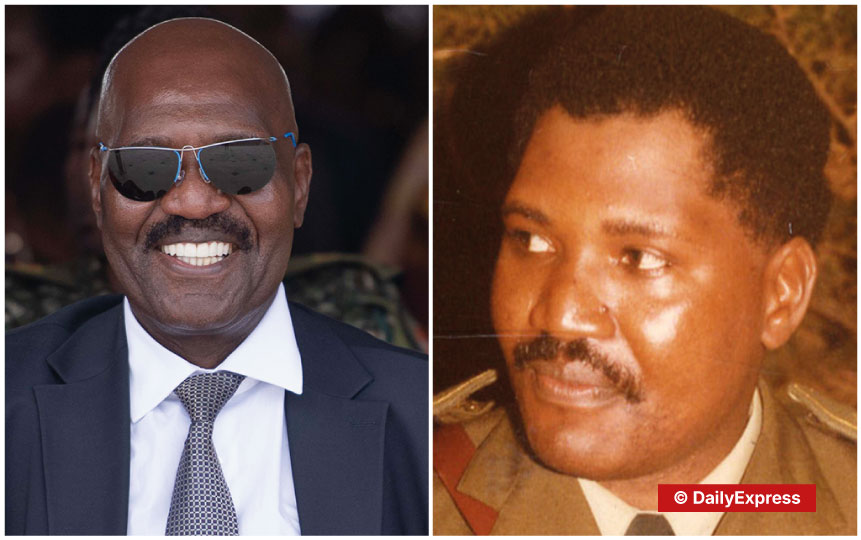
Kampala, Uganda: Col Samson Mande, once among the most revered commanders of the National Resistance Army (NRA) that fought alongside Yoweri Kaguta Museveni in the 1981–1986 bush war, has lived a life marked by both revolutionary heroism and political rebellion.
From his days as one of Museveni’s trusted combatants to years of exile and eventual reconciliation, Mande’s story captures the contradictions and loyalties that have defined Uganda’s post-revolutionary politics.
Early Career & Exploits in the NRA Bush War
Born in 1959 in Mbarara District, Mande joined the NRA struggle in its earliest days, serving under Museveni’s command in the Luweero Triangle. As a seasoned fighter, he was credited with leading successful offensives against government positions during the guerrilla war that toppled Milton Obote’s regime.
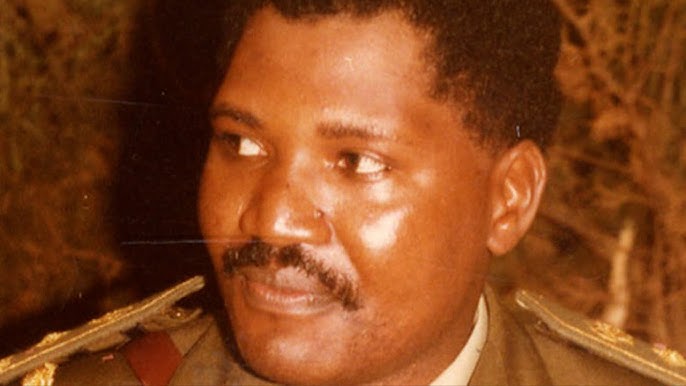
After 1986, Mande rose through the ranks, serving in senior roles within the Uganda People’s Defence Forces (UPDF), including as commander of the elite Presidential Protection Unit (PPU) and later as a diplomat at Uganda’s embassy in Denmark.
Col Mande commanded key units: Battalions 1, 2, 3, 9, and a Task Force in the volatile Luwero Triangle and played a pivotal role in merging NRA forces with UNLF dissident troops in 1984 to create new battalions for the Western Axis campaign.
Fallout with Museveni, Treachery Charges
The bond between Mande and his former commander-in-chief began to fray in the late 1990s. Growing disillusionment with Museveni’s leadership, especially over issues of political intolerance and corruption within the NRM government, pushed Mande toward the opposition.
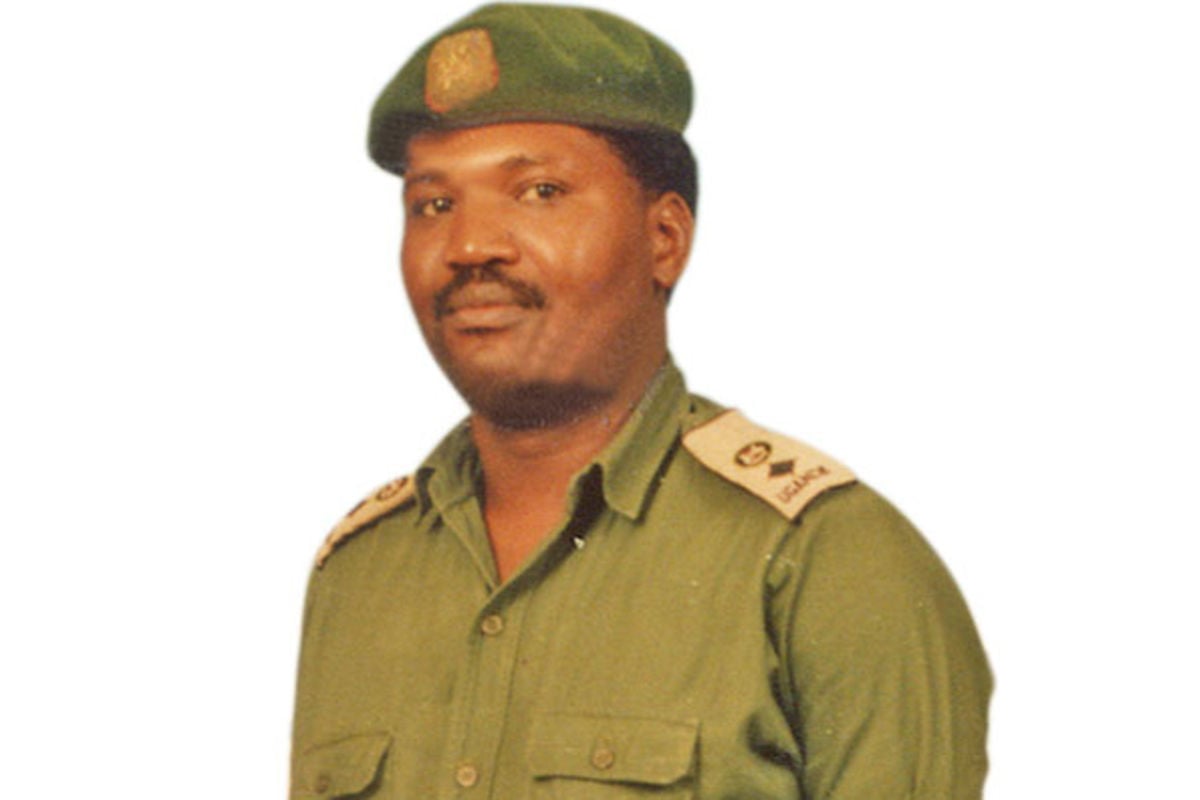
By 2001, following the disputed presidential election that pitted Museveni against Dr. Kizza Besigye, Mande was accused of aiding Besigye’s escape into exile in South Africa, a claim that worsened the widening rift between the President and his former comrade.
Col Mande in Exile
From his base in exile in Sweden, Mande became one of the most vocal critics of Museveni’s government, accused of aligning with rebel movements such as the People’s Redemption Army (PRA). The Ugandan government accused the PRA of plotting to overthrow Museveni, though Mande consistently denied involvement in any armed rebellion, maintaining that his activism was focused on political reform, democracy, and human rights.
Over the years, Mande built relationships with other exiled Ugandan opposition figures, advocating for change through international networks. However, as the years went by, many of his former comrades in the bush war began quietly re-establishing contact with the NRM leadership, exploring paths of reconciliation.
Negotiation & Return to the NRM
According to government insiders, negotiations for Col Mande’s return were discreetly initiated through back-channel diplomacy involving senior UPDF and senior NRM cadres, some of whom had fought alongside him in Luweero. The message was clear; Museveni, known for his pragmatic approach toward former adversaries, was willing to forgive and reintegrate those ready to “seek the path of peace and loyalty.”

In 2025, following years of quiet engagement, Col Mande reportedly agreed to reconcile with his former commander. Sources within security circles revealed that the discussions emphasized forgiveness, patriotism, and the need for unity among former fighters who had once shared a revolutionary cause.
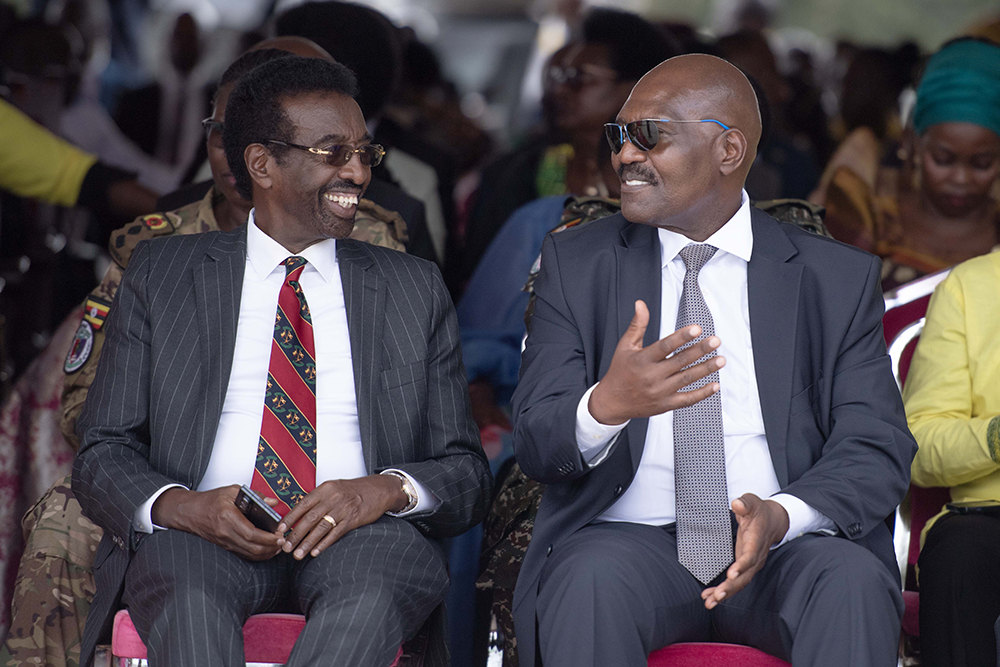
On October 9, 2025, in a dramatic and symbolic moment, President Museveni publicly welcomed Mande back into the fold during the Independence Day celebrations at Kololo Grounds. The President spoke of forgiveness, reconciliation, and peace; while Mande, stepping to the podium under the hot afternoon, declared: “I am back home… my second home is the NRM… I’m home to stay.”
What Col Mande’s return means
Mande’s return marks another chapter in the pattern of Museveni’s reconciliatory politics, a strategy that has seen former critics such as Gen David Sejusa, Maj John Kazoora, and others re-embrace the establishment they once opposed.
For many Ugandans, Col Samson Mande’s story is both a reminder of the enduring influence of the bush war generation and a reflection of how political disagreements can evolve into forgiveness, even after decades of exile and hostility.
If you would like your article/opinion to be published on Uganda’s most authoritative news platform, send your submission on: [email protected]. You can also follow DailyExpress on WhatsApp and on Twitter (X) for realtime updates.