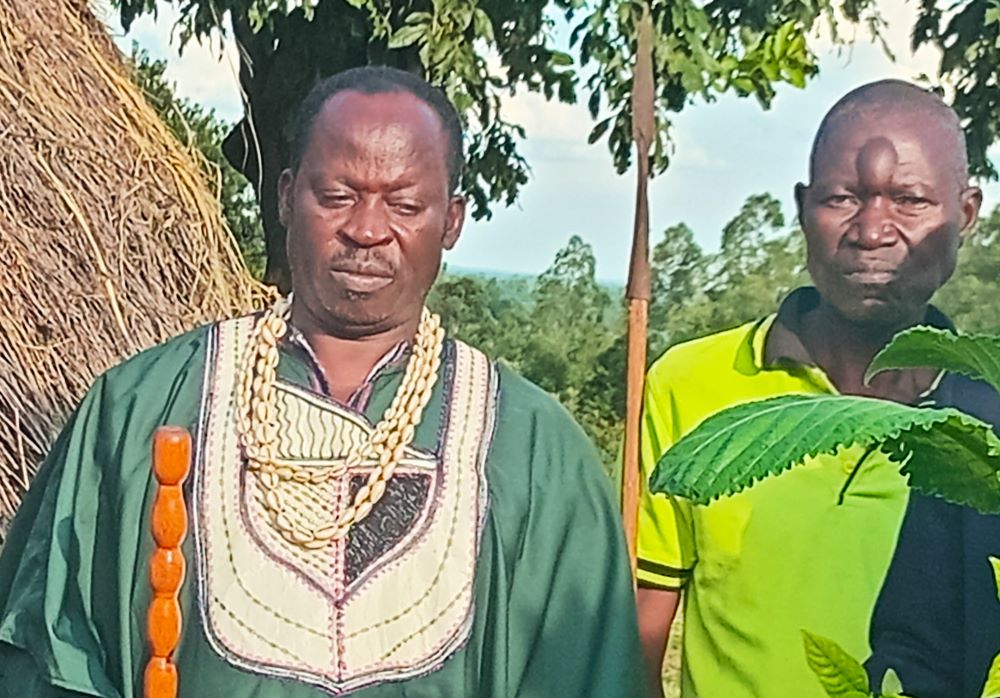
Kiryandongo, Uganda: A quiet but growing wave of cultural awakening is sweeping across Greater Kibanda in mid-western Uganda, where the Bachope community, also known as the Paluo people, have declared that they no longer recognize the authority of the Bunyoro-Kitara Kingdom over their affairs.
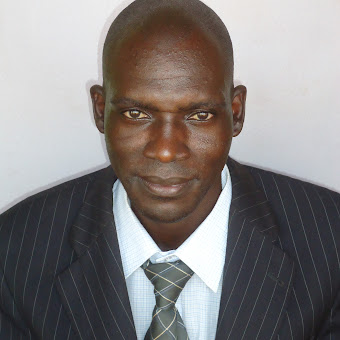
At the center of this rising cultural assertion is Mr. Kisembo Denis Atwooki Dabila, the Prime Minister of the Paluo-Chope Cultural Institution, who says the Bachope are constitutionally entitled to self-govern their cultural destiny.
“There is no law in Uganda that forces one community to remain under another against its will,” Mr Kisembo told DailyExpress. “The Constitution is clear, cultural institutions must exist by the consent of their people, not by coercion or inherited control.”
Cultural Sovereignty or Rebellion?
According to Mr. Kisembo, the Bachope’s pursuit of autonomy is not rebellion, but a constitutional exercise of their rights under Article 246 of the 1995 Constitution of Uganda (as amended).
That article provides for the restoration and creation of cultural institutions based on the consent and traditions of a community. “Gone are the days when kings wielded legislative or judicial powers,” Kisembo asserted. “Today, cultural leaders are symbolic. The Bachope’s bid for autonomy is not secession, it is self-determination.”
He likened the Bachope’s aspirations to those of the Buruli, Banyara, and Kooki, who all sought independent cultural status from Buganda Kingdom in the past two decades.
Their Roots

The Bachope, though historically categorized under Bunyoro, trace their distinct heritage to the Paluo people of Greater Kibanda, a region that borders Masindi, Kiryandongo, and parts of Nakasongola.
During pre-colonial times, their communities allied with the Bunyoro Kingdom for security and trade, but not as subordinates. Over the years, colonial boundaries and administrative reforms folded them into Bunyoro’s dominion, erasing their distinct identity from the national consciousness.
“We no longer need any protection from Bunyoro,” Mr. Kisembo said. “The Bachope recognize only the authority of the central government of Uganda.”
The Paluo language, a Luo dialect enriched with Bantu influences, defines Bachope identity. Their dances, Opere, Under, and Bwera, and oral traditions distinguish them from the Banyoro.
Linguistic historians link the Bachope to the Bachwezi dynasty, noting that intermarriage with Bantu groups likely influenced the Bagungu of Buliisa and other western tribes.
Perhaps most striking is their contribution to western Uganda’s naming culture. According to scholars, the Empaako tradition, the use of praise names such as Adyeri, Abwooli, Ateenyi, Amooti, Abooke, Atwooki, and Arali, evolved from the Paluo practice of “Nying Paak” (praise names), making the Bachope an unacknowledged pillar of the region’s cultural heritage.
Legal scholars agree that the Bachope’s demand is constitutionally valid if pursued peacefully.
Dr. Samuel Mwesige, a constitutional lawyer, told DailyExpress that Article 246(1) protects the right of any community to establish its own cultural institution “in accordance with its culture, customs, and traditions.”

“As long as the process is peaceful and consensual, there’s nothing illegal about a group forming its own cultural institution,” Dr. Mwesige explained. “The issue only becomes problematic if it infringes on another community’s administrative jurisdiction.”
Bunyoro Kingdom Silent
Efforts by DailyExpress to obtain a response from Bunyoro-Kitara Kingdom officials were unsuccessful when this story was filed and published. However, sources within Hoima confirmed that the matter has been noted “with concern” and consultations are underway.
Meanwhile, the Ministry of Gender, Labour and Social Development, which supervises cultural institutions, has reportedly received formal correspondence from the Paluo-Chope Cultural Institution seeking government recognition.
An official at the Ministry, speaking on condition of anonymity, said: “If they meet the constitutional requirements and demonstrate distinct cultural identity, the government cannot deny them recognition.”
A Quest for Dignity, Not Defiance
For Bachope, this is not a political rebellion but a fight for recognition. “We have lived too long under the shadow of others,” said Kisembo. “Our children must grow up knowing they are Bachope — not as an appendix to another kingdom, but as a proud people of Uganda.”
He emphasized that their campaign is grounded in constitutional law, peaceful mobilization, and a desire to preserve ancestral heritage before it vanishes into history. “Gone are the days when kings and kingdoms wielded legislative and judicial authority,” he added.
“Today, they are merely cultural leaders. The Bachope’s pursuit of cultural sovereignty is the rightful establishment of a distinct cultural institution as enshrined in Article 246.”
As the debate unfolds, the Paluo-Chope Cultural Institution is emerging as a symbol of identity reclamation in a region where history, politics, and heritage continue to intersect.
If you would like your article/opinion to be published on Uganda’s most authoritative news platform, send your submission on: [email protected]. You can also follow DailyExpress on WhatsApp and on Twitter (X) for realtime updates.