
Kampala, Uganda: High Sound for Children, a leading child rights organisation has warned that the declining completion rates of boys in Uganda’s primary education cycle should trigger urgent, evidence-based action, cautioning that emerging gender gaps risk leaving thousands of boys behind.
In a statement issued on February 2, 2026, HSC welcomed concerns raised by the Ministry of Education and Sports Uganda over the trend, noting that while gains in girls’ education are commendable, falling completion rates among boys demand equal attention.
According to results released by the ministry last week, 389,469 boys (47.6%) completed the primary education cycle compared to 428,324 girls (52.4%), confirming that more girls than boys are now completing primary school, a pattern that mirrors 2024 data, when 52.5% of completers were girls compared to 47.5% boys, pointing to a persistent trend rather than a one-off anomaly.

High Sound for Children said it remains unclear whether the imbalance is driven by demographic shifts or higher dropout rates among boys, arguing that the distinction is critical for policy response.
Drawing on field experience with schools and communities, the organisation identified several vulnerabilities disproportionately affecting boys, including child labour pressures, early involvement in income-generating activities, negative peer influence, substance abuse, limited male role models in lower primary classes, and social norms that discourage academic persistence.
At the same time, the organisation acknowledged that years of targeted programming for girls’ education have produced measurable gains, stressing that such progress should be protected rather than rolled back.
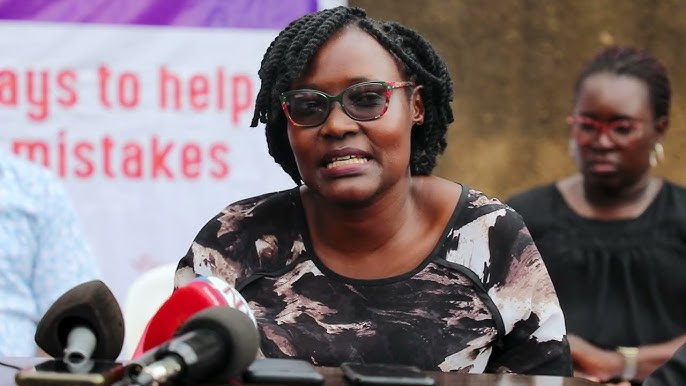
“Education equity demands a balanced, data-driven approach that ensures no child—boy or girl—is left behind,” the statement signed by Hadijah Mwanje, Executive Director of HSC reads in part.

To address the emerging gap, High Sound for Children called for a comprehensive analysis of enrolment, attendance and completion data, disaggregated by sex, region and socio-economic status, alongside qualitative research into the lived experiences of boys who drop out or are at risk.
Ms Mwanje also urged the strengthening of school-based mentorship and psychosocial support systems, as well as community engagement initiatives to confront harmful norms and reinforce the value of education for all children.
She reaffirmed the organisation’s commitment to working with government, schools and development partners to ensure that every child completes primary education with dignity and opportunity.
If you would like your article/opinion to be published on Uganda’s most authoritative news platform, send your submission on: [email protected]. You can also follow DailyExpress on WhatsApp and on Twitter (X) for realtime updates.