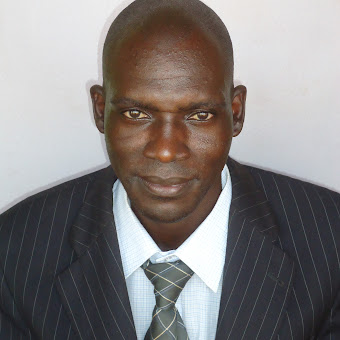
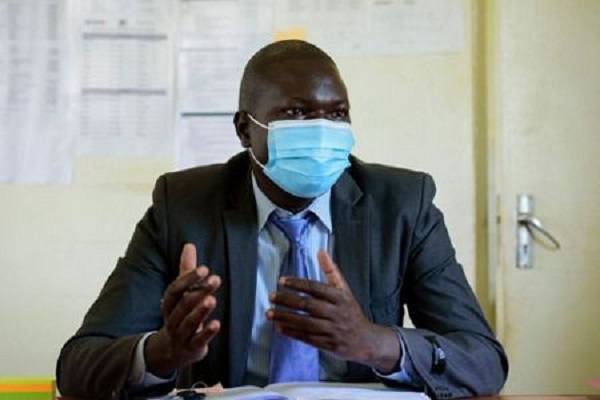
Gulu City, Uganda: The District Health Officer for Gulu, Kenneth Cana, has raised concern over the lack of electricity at several health facilities, warning that the situation is undermining healthcare service delivery in rural communities.
Speaking during a press conference at his office in Gulu City, Dr Cana revealed that at least seven health centres in the district are still not connected to the national electricity grid and rely instead on unreliable solar power systems.
The affected facilities include Omel Health Centre III and the Health Centre IIs of Pugwinyi Health Centre II, Pabwo Health Centre II, Pawel Health Centre II, Oroko Health Centre II, Gwengdiya Health Centre II, Pukony Health Centre II, and Paibona Health Centre II.
According to Cana, the solar systems installed at the facilities are only able to provide limited lighting and often fail to last through the night.
“Currently, we still have a number of health facilities in the district that are not connected to the national grid,” Cana said. “These facilities are relying on solar power mainly for lighting, but the power generated is not reliable.”
He explained that the lights frequently go off in the middle of the night, leaving health workers struggling to manage emergencies.
“In most cases the lights go off in the middle of the night, yet that is the time when some of the critical medical emergencies happen,” he added.
Risk during emergencies
The DHO noted that the power shortages pose serious challenges for health workers, particularly during night shifts when expectant mothers arrive for delivery or critically ill patients require urgent medical attention.

“You can imagine a midwife trying to conduct a delivery when the lights suddenly go off,” Cana said.
“It becomes very challenging for the health workers to provide safe and quality services under such conditions.”
Beyond lighting, Dr Cana said the absence of reliable electricity also affects other key medical services, including laboratory operations and vaccine storage.

“Electricity is not just about lighting. It is important for running equipment in the laboratory, refrigeration for vaccines, and many other services that are critical in a health facility,” he explained.
The DHO warned that unless the issue is urgently addressed, the quality of healthcare services in affected communities could deteriorate.
“These facilities serve large rural populations. When they lack electricity, it directly affects the people who depend on them for treatment,” he said.
Despite the challenges, Dr Cana says the district leadership is engaging authorities in the energy sector to ensure the affected facilities are connected to the national grid.
He also called for health centres to be prioritised under rural electrification programmes. “Health centres should be among the first institutions to receive electricity because they provide life-saving services,” Cana emphasized.
Local leaders and residents have also urged the government to accelerate electrification efforts in rural areas, arguing that reliable electricity is critical for improving healthcare delivery.
If you would like your article/opinion to be published on Uganda’s most authoritative news platform, send your submission on: [email protected]. You can also follow DailyExpress on WhatsApp and on Twitter (X) for realtime updates.