

Kampala, Uganda: The Government of Uganda has intensified efforts to reform the country’s labour export sector and combat human trafficking amid continued exploitation of Ugandan migrant workers.
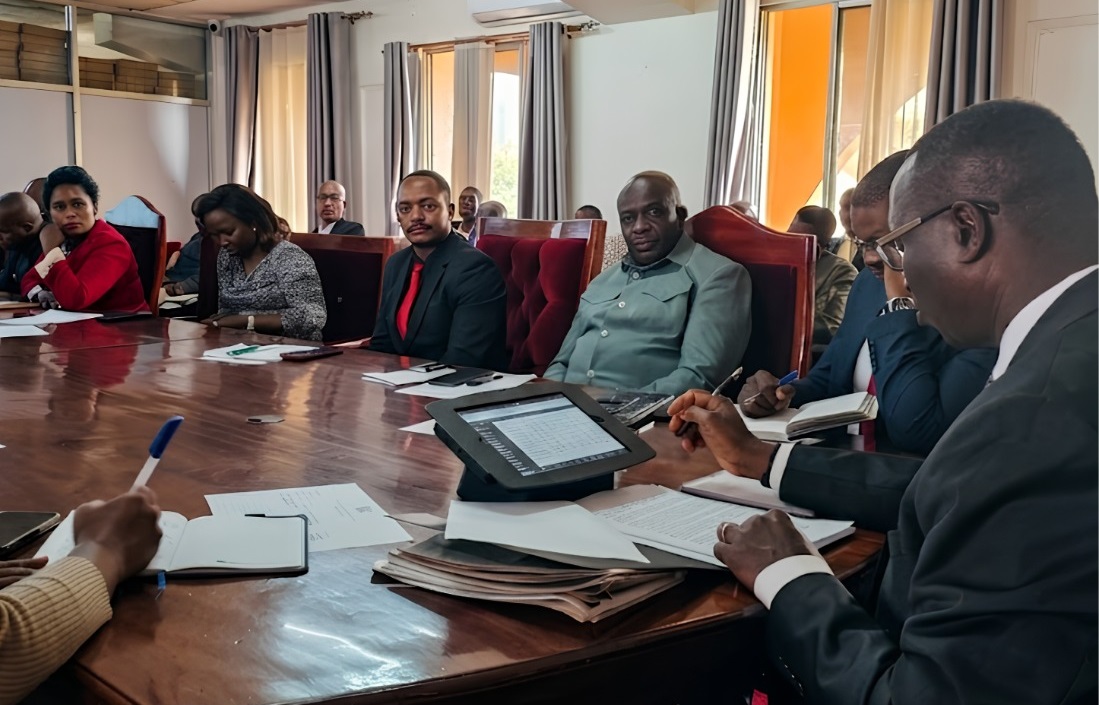
The development follows a high-level multi-agency meeting convened by the Ministry of Gender and Labour Permanent Secretary, Mr Aggrey David Kibenge, which brought together key government ministries, security agencies, and international partners to address growing concerns raised by Ugandans abroad.
From the outset, Kibenge acknowledged regulatory gaps, including the erroneous listing of some recruitment agencies among those deregistered, assuring stakeholders that corrective measures would be undertaken through official channels.
The Senior Presidential Advisor on Diaspora Affairs, Hajj Abbey Walusimbi, described the engagement as “long overdue,” noting that the scale of challenges in labour externalisation now demands coordinated national action.
He said the broad representation reflected the urgency of the crisis, particularly the rise in trafficking cases involving Ugandans seeking employment abroad.
“This is not a migration statistic. It is a crime against our people,” Walusimbi said, highlighting cases where workers, especially young women, travel on seemingly legitimate contracts but end up exploited in countries such as the UAE, Jordan, Iraq, Cambodia and India.

Uganda has emerged as one of Africa’s leading labour-exporting countries, with government estimates indicating that more than 200,000 Ugandans work in the Middle East alone, while annual remittances exceed $1.4 billion, according to data from the Bank of Uganda.
These remittances have become a critical pillar of the economy, supporting household incomes and foreign exchange inflows. However, officials warned that gaps in protection systems continue to expose migrant workers to abuse, exploitation and abandonment.
Among the key concerns raised was the absence of a Labour Migration Protection Fund, which stakeholders said is critical for financing inspections of recruitment agencies, monitoring workers abroad, and facilitating rescues and repatriations.
“Without it, our response remains reactive and improvised. That is not a protection system,” Walusimbi noted.
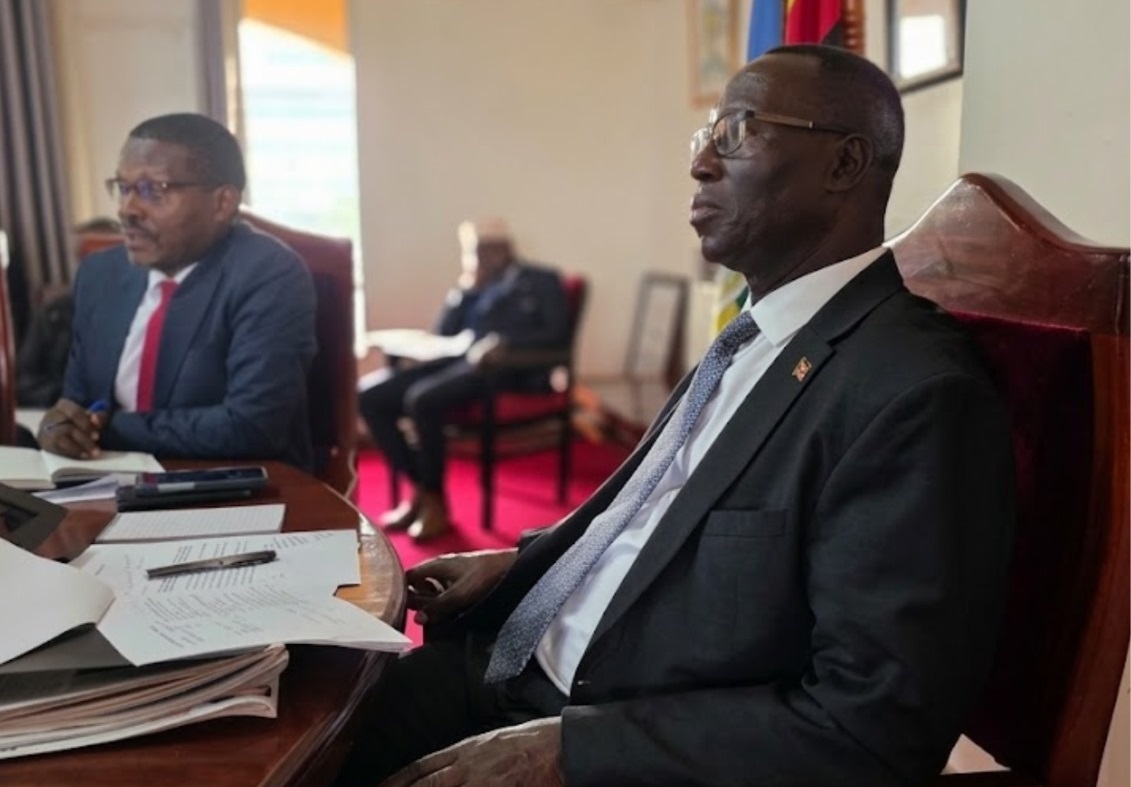
Stakeholders also highlighted the lack of dedicated legal support at Uganda’s diplomatic missions abroad, leaving vulnerable workers without representation in foreign jurisdictions. “A Ugandan detained or exploited abroad deserves justice, not sympathy. They need legal representation,” he emphasized.
The meeting also called for expedited bilateral labour agreements with destination countries such as Qatar, Kuwait, Oman and the UAE, aimed at strengthening worker protections and ensuring enforceable rights.
Government, through the Office of the President, said it is already working closely with the Ministry of Foreign Affairs and the Ministry of Gender, Labour and Social Development, alongside security agencies, to tackle trafficking networks and support affected Ugandans.

Officials confirmed ongoing diplomatic engagements with countries including Cambodia and India to secure the return of stranded citizens, as well as efforts to strengthen monitoring systems through Uganda’s foreign missions.
The reforms are also tied to the development of a National Diaspora Policy, which aims to create long-term structures for protecting Ugandans abroad and enhancing the benefits of labour migration.
Uganda currently licenses over 150 recruitment agencies under its labour export framework, with the sector employing thousands of young people annually, particularly in domestic work, security services, construction and hospitality.
Despite its economic importance, the sector has faced persistent criticism over weak regulation, limited oversight, and cases of abuse that have drawn public concern.
Walusimbi emphasized that protecting Ugandan migrant workers must remain a national priority. “Uganda’s most valuable export is not coffee or minerals, it is our people. Any system that allows them to be exploited has failed at its most fundamental duty,” he said.
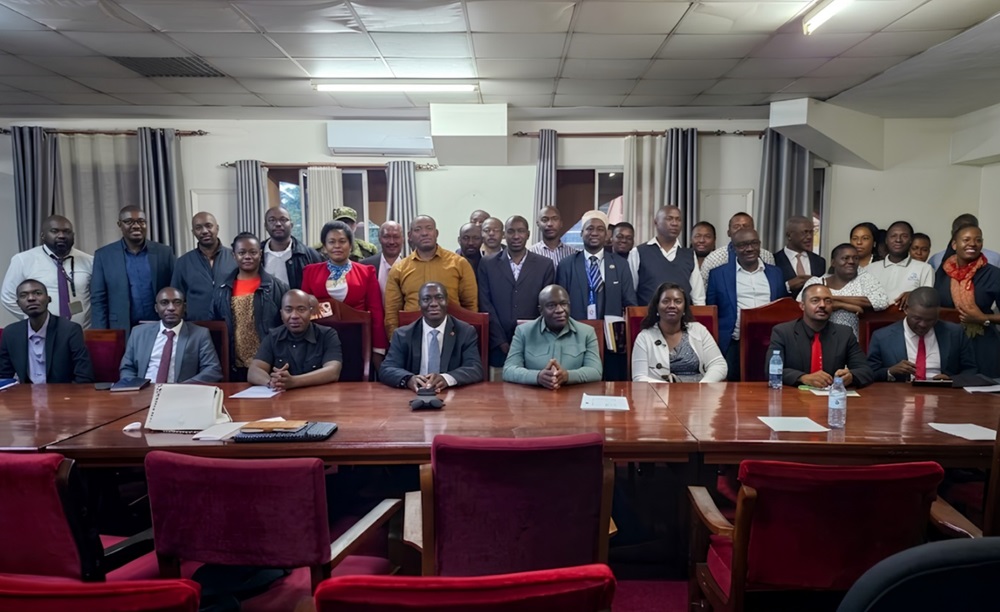
Government officials say implementation of the agreed reforms is already underway, with a renewed focus on coordination, enforcement and accountability to ensure safer and more dignified labour migration.
The meeting drew participation from multiple institutions, including the Ministries of Finance, Foreign Affairs, Internal Affairs and Justice, alongside security bodies such as Uganda Police Force, Interpol, and intelligence agencies. International organisations, including International Organization for Migration and International Labour Organization, were also present.
If you would like your article/opinion to be published on Uganda’s most authoritative news platform, send your submission on: [email protected]. You can also follow DailyExpress on WhatsApp and on Twitter (X) for realtime updates.


