
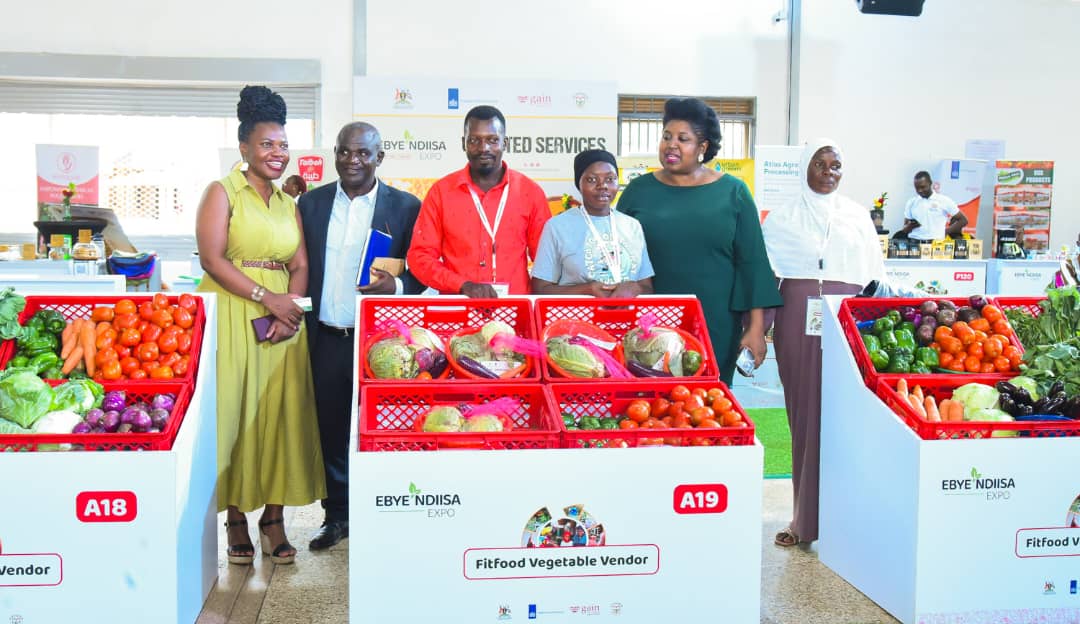
Kampala, Uganda: The inaugural Ebyendiisa Expo today opened at the UMA Exhibition Hall in Kampala, drawing hundreds of stakeholders across government, private sector, and development partners in a renewed push to tackle malnutrition and promote healthier diets in Uganda.
Organised by GAIN Uganda in partnership with the Ministry of Health, the Embassy of the Kingdom of the Netherlands, and other partners, the two-day Expo brings together food innovators, farmers, nutrition experts, and consumers under one platform to bridge the gap between food availability and proper nutrition.
Uganda continues to face a paradox despite its status as a regional food basket. According to national data, 26% of children under five are stunted, while anaemia affects more than half of children and nearly a third of women, highlighting persistent gaps in dietary practices.
In her remarks at the opening, GAIN Uganda Country Director Damali Ssali said the Expo is designed to move beyond discussions into practical solutions.
“We are not just talking about healthy diets, we are demonstrating them. Participants will learn how to prepare nutritious meals, access healthy food options, and even purchase these products directly from exhibitors,” Ssali said.
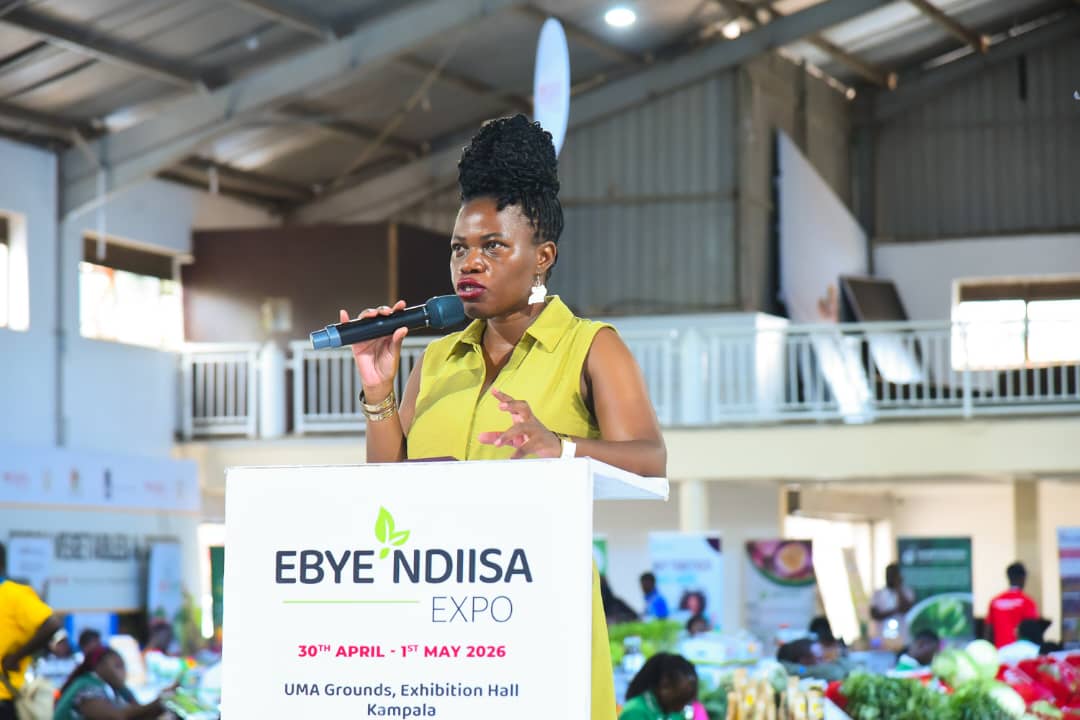
She noted that the Expo provides “exposure, experience and access,” which are critical in driving long-term behaviour change.

Ssali also revealed that the majority of exhibitors are SMEs, with over half engaged in value addition, signalling a growing shift towards nutrition-focused food systems.
On behalf of the Private Sector Foundation Uganda (PSFU), Vice Chairperson Sarah Kagingo said Uganda’s economic transformation is closely tied to nutrition and food systems.
“We cannot achieve tenfold economic growth without a productive private sector, and we cannot have a productive private sector without a healthy and well-nourished population,” she said.
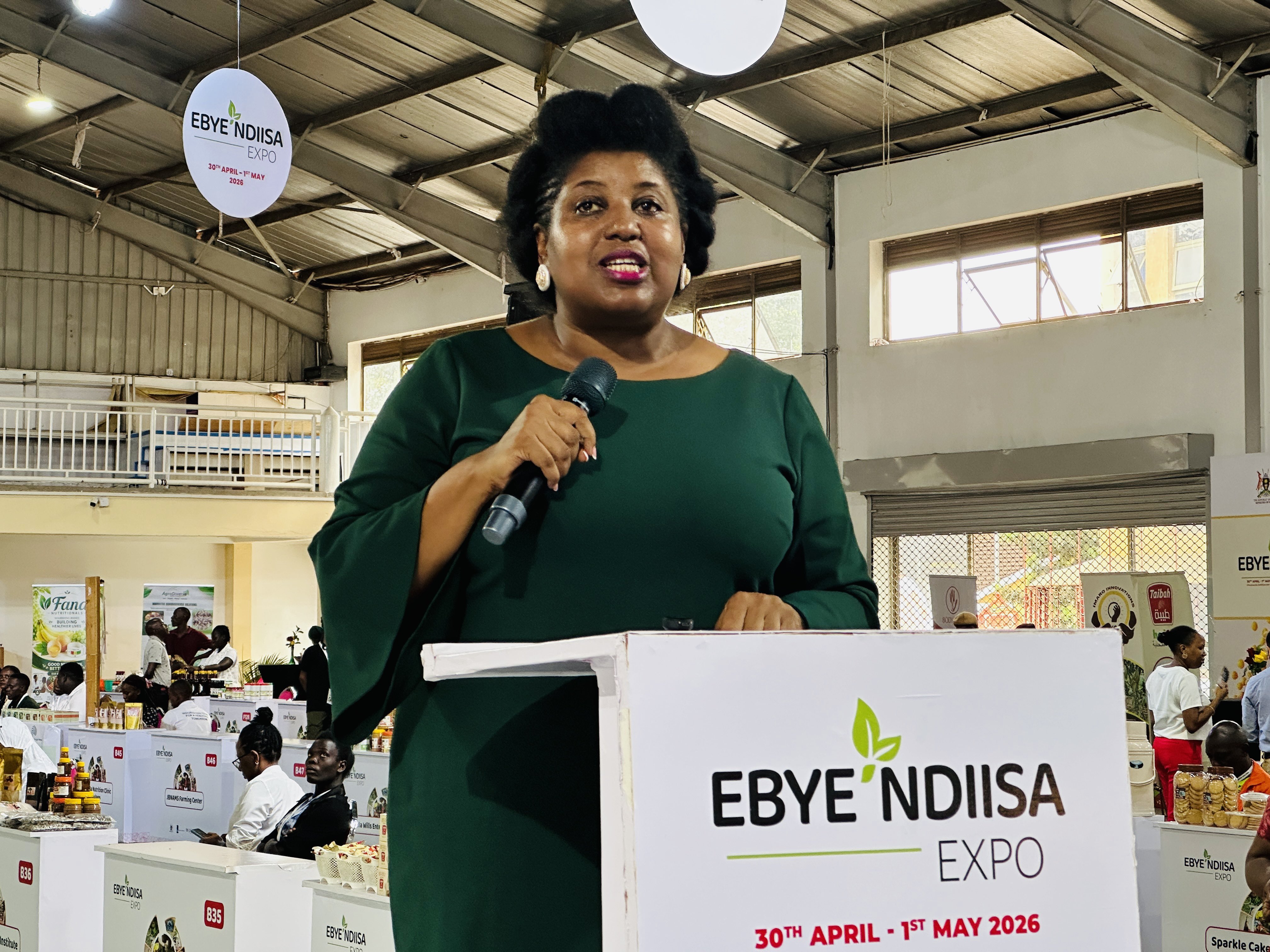
Kagingo emphasised that nutrition directly affects labour productivity, education outcomes, and national economic performance, warning that malnutrition can cost countries up to 3% of GDP annually.
She added that platforms like Ebyendiisa Expo are critical in linking producers, processors, and consumers, while strengthening value chains and market access.
Nutrition Gap Despite Food Abundance
Representing the Embassy of the Kingdom of the Netherlands, Senior Policy Officer Josephat Byaruhanga said Uganda’s challenge is no longer food production, but utilisation.
“Uganda produces a lot of food, but consuming it properly remains a challenge. This Expo helps people understand how to prepare and consume food better,” he said.
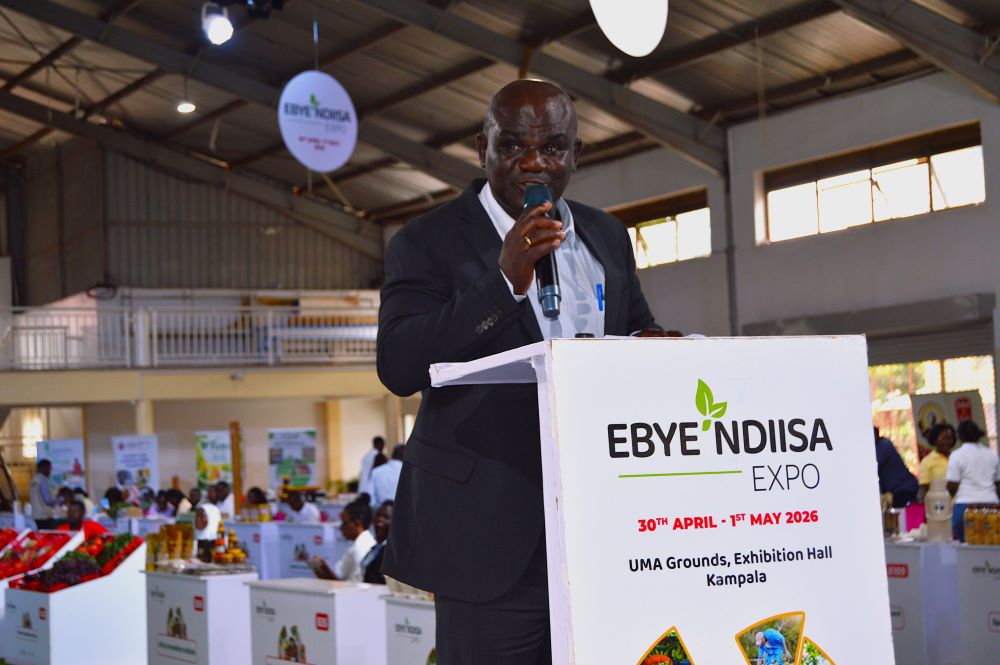
Byaruhanga also called for increased research into indigenous vegetables such as nakati and dodo, noting their high nutritional value.
A Health and Behaviour Change Platform
CROPA Chairperson Rtn Francis Anthony Lubowa said the Expo is a wake-up call for Ugandans to rethink their eating habits. “Having food is not the same as having proper nutrition. Many of us consume too much starch and too little vegetables and proteins, leading to rising cases of lifestyle diseases,” Lubowa said.
He described the Expo as “a classroom, a marketplace, and a health intervention,” urging households to prioritise balanced diets.
Additionally, Senior Presidential Advisor on Older Persons Pauline Nassolo urged stakeholders to include elderly populations in nutrition and development programmes. “This is not just about food, it is about health without medication. Nutrition must include everyone, including older persons who are often left behind,” she said.
Urban Nutrition Challenge
KCCA Nutritionist Martha Nakyagaba Mutumba pointed to urbanisation as a growing risk factor. “Many Kampala residents rely on purchased food and are therefore vulnerable to malnutrition despite availability. This is why urban farming and nutrition awareness are critical,” she said.
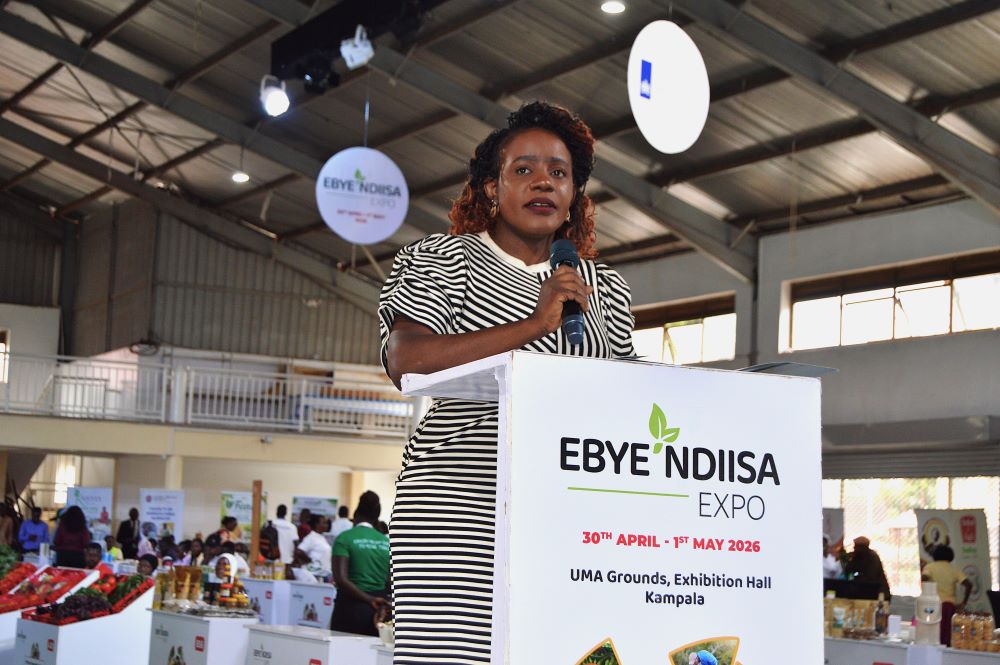
From the Ministry of Trade, Commissioner Patrick Mugisha emphasised the need for value addition and standards. “The future lies in value addition, but food safety must remain a priority. Standards are critical for both domestic consumption and export markets,” he said.
Adding to their call, Ministry of Health’s Principal Nutritionist Dr Grace Lanyo Ochieng said the Expo comes at a critical time when Uganda must focus on dietary diversity. “A healthy plate must include proteins, carbohydrates, vegetables and fruits. This is how we meet our nutritional needs,” she said.
She also highlighted government efforts to promote biofortified foods such as iron-rich beans and vitamin A maize to address nutrient deficiencies.
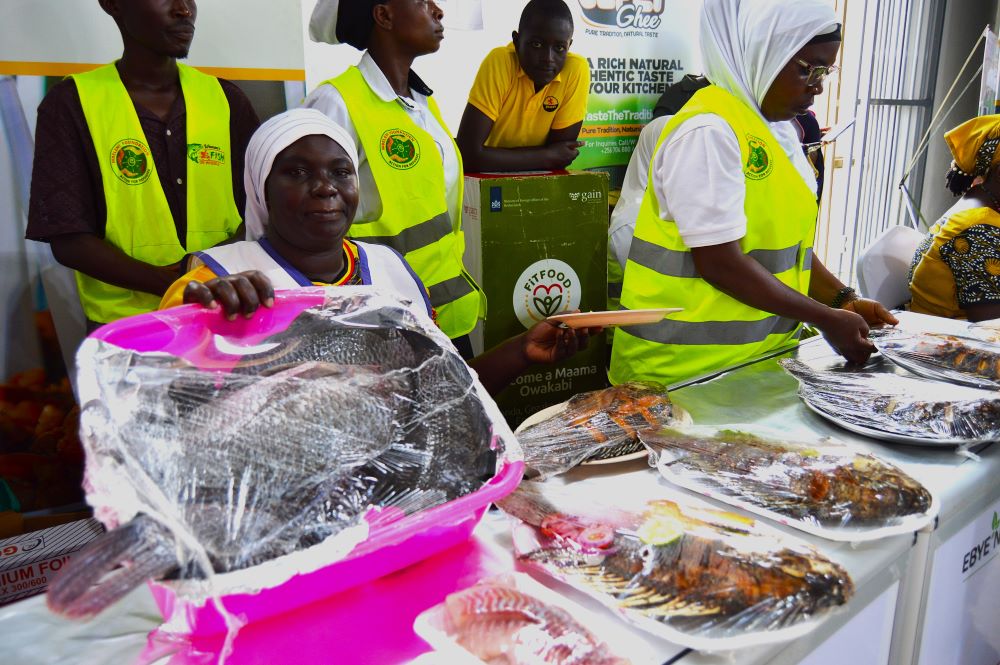
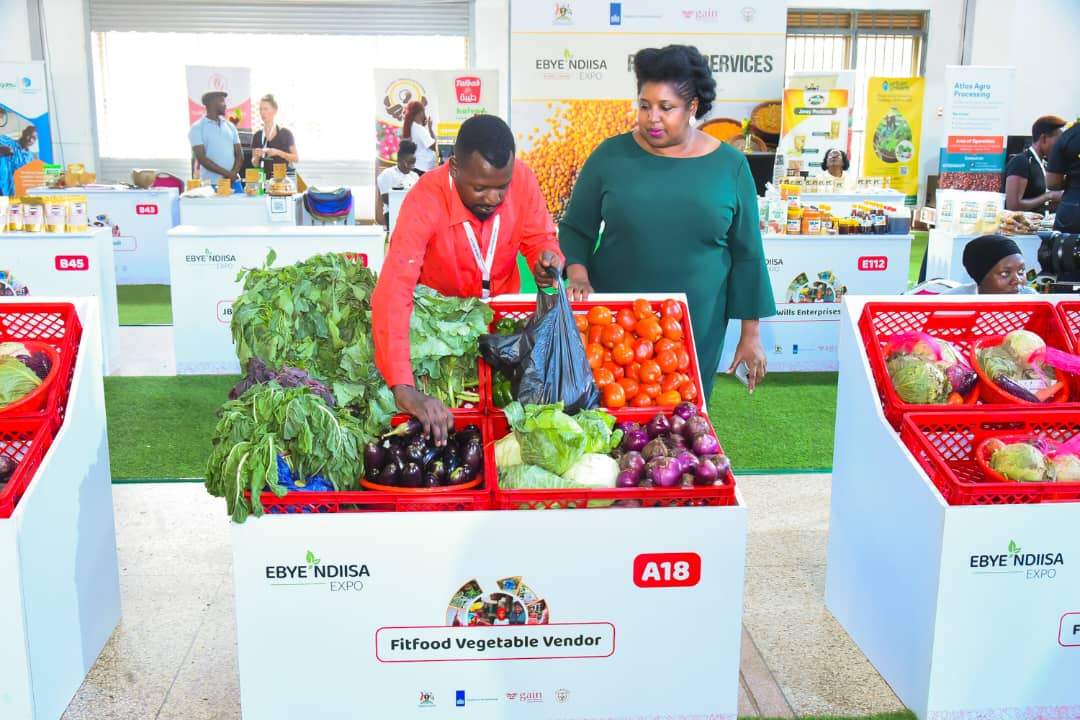
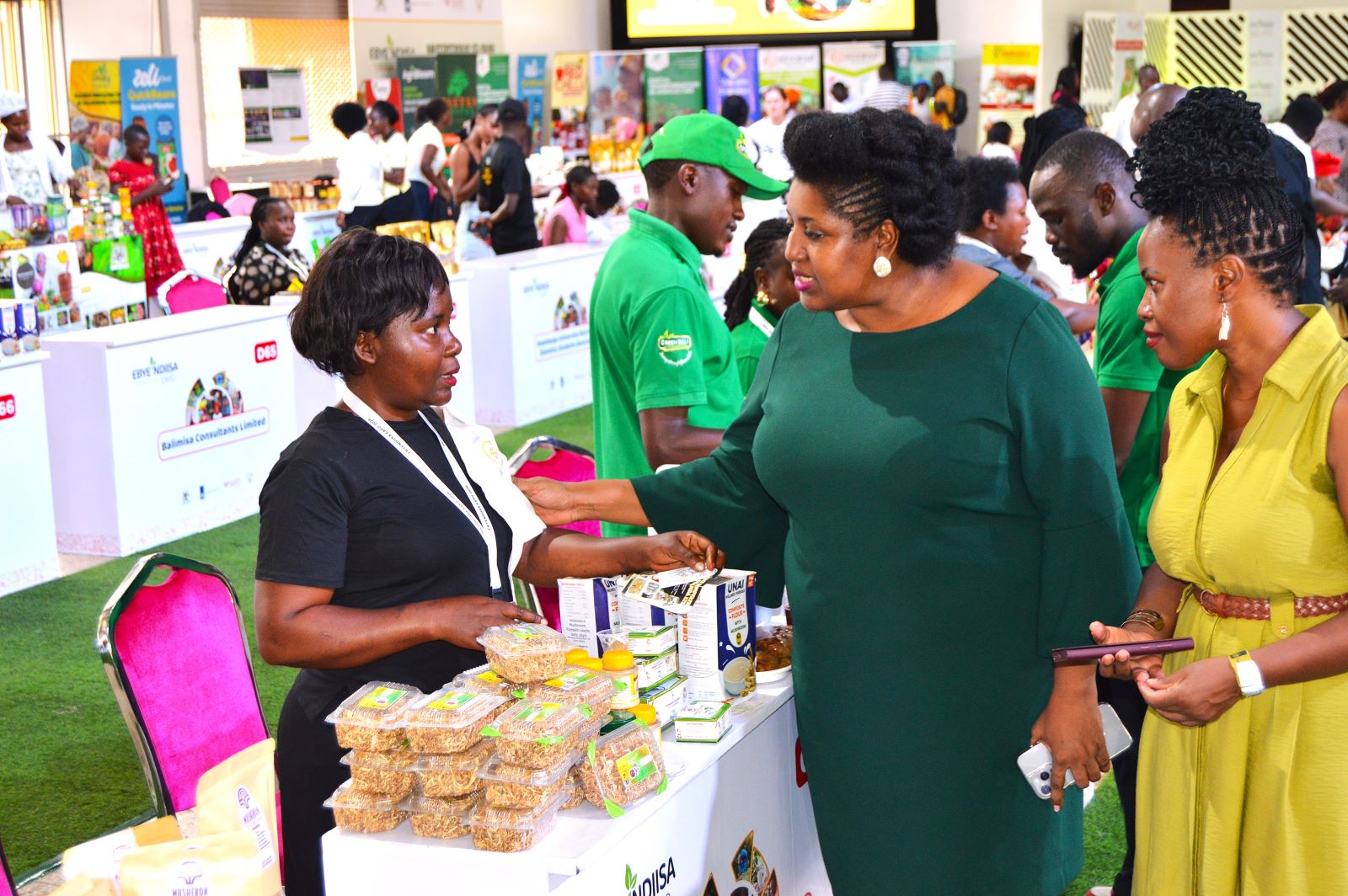


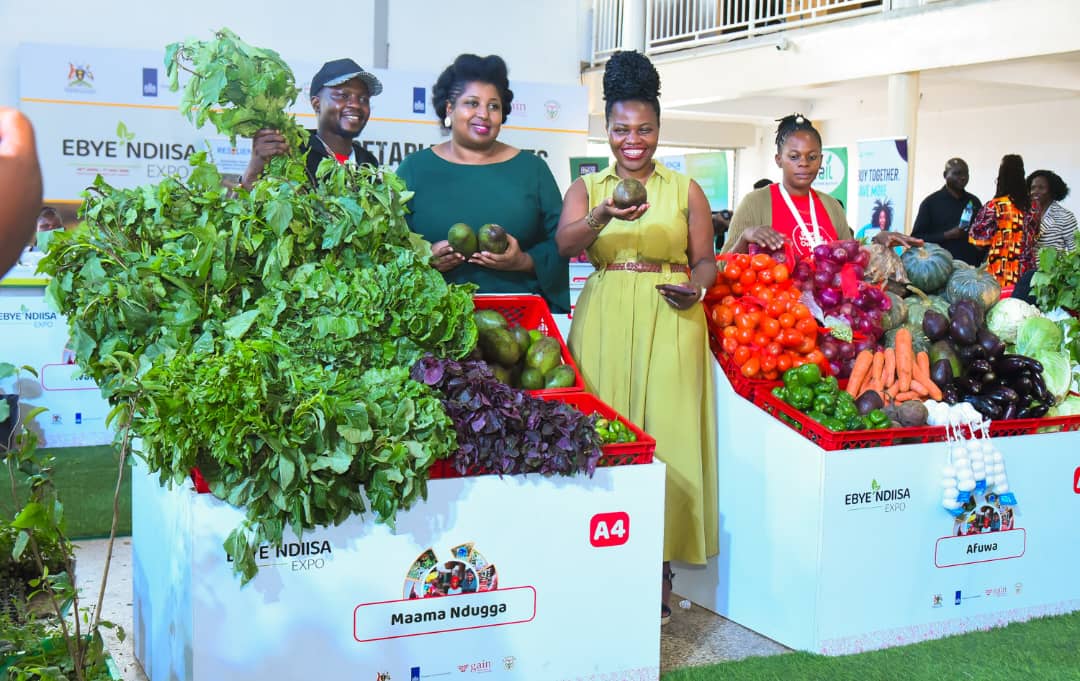
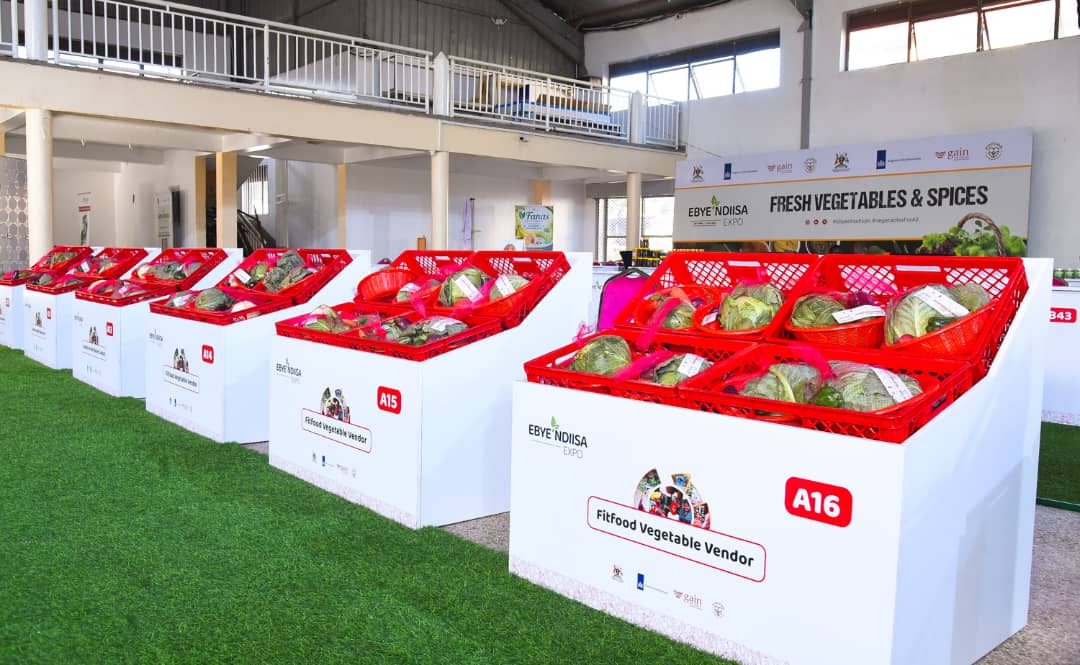
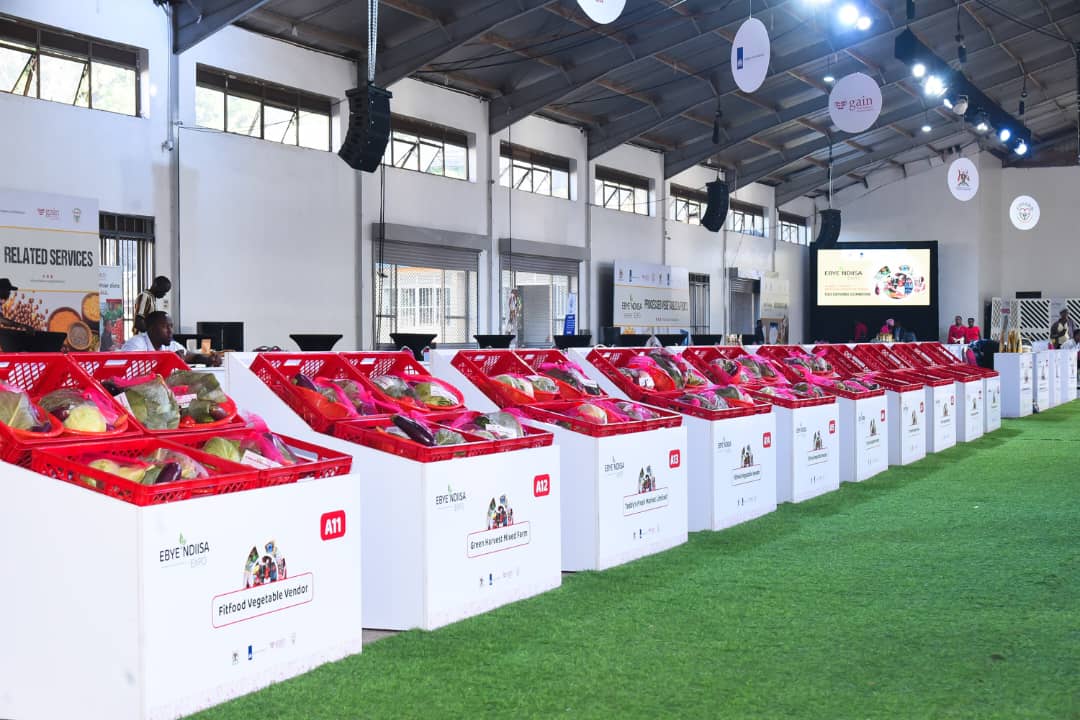

Day one of the Ebyendiisa Expo featured over 200 exhibitors from across the country and more than 1,000 visitors daily. The event features cooking demonstrations, food tasting, exhibitions, and business networking, with organisers positioning it as a long-term platform to reshape Uganda’s food systems.
About GAIN International
GAIN (Global Alliance for Improved Nutrition) is a Swiss-based foundation established in 2002 with a mission to improve nutrition outcomes by enhancing access to safe and nutritious food for all people, especially those most vulnerable to malnutrition. It works in partnership with governments, businesses, and civil society to build sustainable food systems globally.
If you would like your article/opinion to be published on Uganda’s most authoritative news platform, send your submission on: [email protected]. You can also follow DailyExpress on WhatsApp and on Twitter (X) for realtime updates.