
Kampala, Uganda: The Uganda National Association of the Blind (UNAB) has joined advocates, legal experts and civil society organisations in applauding President Museveni for assenting to the Copyright and Neighbouring Rights (Amendment) Act, 2026.
The presidential assent, granted on April 29, 2026, concludes years of advocacy aimed at expanding access to information and reading materials for persons with visual impairments and other print disabilities.
Disability rights advocates say the new law ushers Uganda into a new era of inclusive access to knowledge by fully domesticating provisions of the Marrakesh Treaty — an international agreement that facilitates access to published works for persons who are blind or visually impaired.
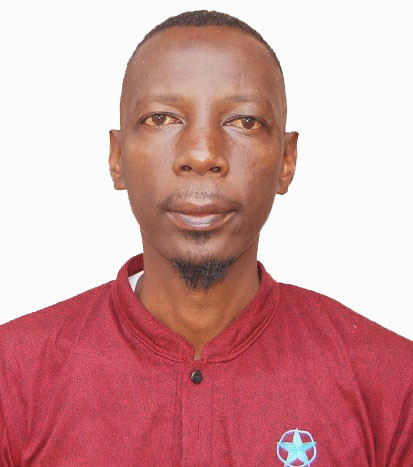
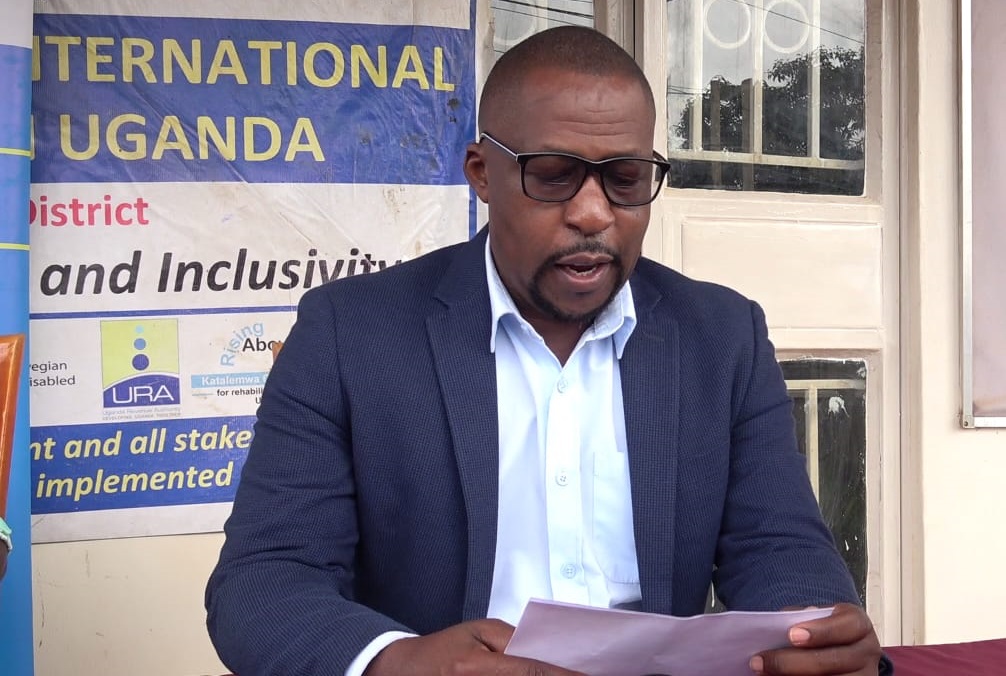
Speaking in an exclusive interview with DailyExpress, UNAB Executive Director Denis Tumwebaze described the presidential assent as a landmark victory for human rights and inclusivity.

“This is not just a win for the visually impaired; it is a victory for the soul of our nation. By signing this Act, the President has unlocked the doors of knowledge that were previously bolted shut by restrictive laws,” Tumwebaze said.
“Our members can now access textbooks, professional manuals and literature with the same ease as any other Ugandan,” he added.
For decades, visually impaired persons in Uganda have faced what advocates commonly refer to as a “book famine” due to restrictive copyright limitations that hindered production and sharing of accessible reading materials.
Under the amended law, organisations such as UNAB are now legally recognised as authorised entities permitted to produce and distribute educational and literary materials in accessible formats including Braille, audio, large print and digital formats without infringing copyright laws.
The amendment also allows Uganda to exchange accessible books and learning materials with other countries, significantly widening access to educational content for persons with print disabilities.
UNAB noted that the reform balances the economic rights of authors and publishers while protecting the constitutional right to information and education for persons with disabilities.

Tumwebaze credited the achievement to years of coordinated advocacy involving Parliament, the Parliamentary Forum on Disability, the Ministry of Justice and other disability rights organisations.
“This achievement demonstrates what can happen when government institutions, civil society and advocates work together to ensure inclusion and equality,” he said.
Despite celebrating the development, UNAB urged government and stakeholders to prioritise implementation through investment in accessible technologies, production infrastructure and operational regulations to ensure the law benefits visually impaired persons across the country.
The association further called upon development partners and the private sector to support efforts aimed at eliminating barriers to education and information access for persons with disabilities.
Uganda’s move aligns the country with a growing number of nations implementing the Marrakesh Treaty to address educational inequality and improve accessibility for blind and visually impaired communities.
If you would like your article/opinion to be published on Uganda’s most authoritative news platform, send your submission on: [email protected]. You can also follow DailyExpress on WhatsApp and on Twitter (X) for realtime updates.


