
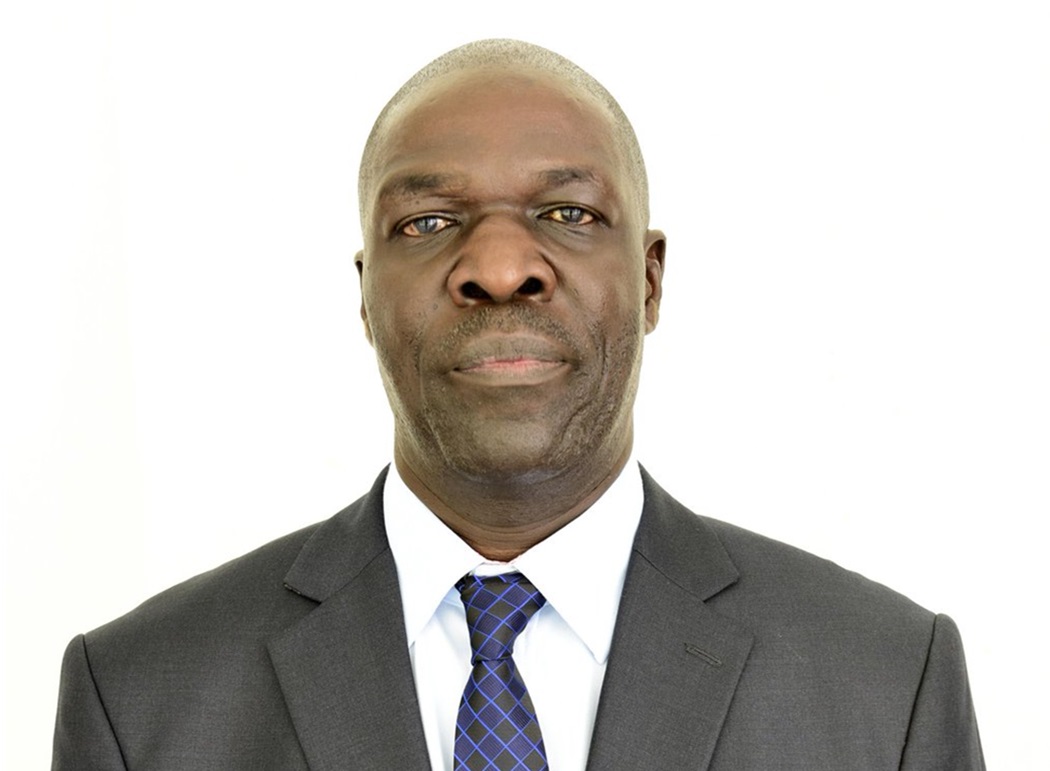
Kampala, Uganda: Uganda’s Judiciary entered a new chapter with the appointment of Moses Kazibwe Kawumi as the new Deputy Chief Justice, filling the position that went vacant with the elevation of Dr Flavian Zeija as the Chief Justice after the retirement of Alfonse Owiny-Dollo.
Once vetted and approved by Parliament, Justice Kazibwe will assume one of the most powerful positions within Uganda’s Judiciary, deputising the Chief Justice while also heading both the Court of Appeal and Constitutional Court, the two courts responsible for handling some of Uganda’s most politically sensitive constitutional and electoral disputes.
A Career Built Through Uganda’s Courts
Unlike some of Uganda’s more publicly visible judicial figures, Justice Kazibwe Kawumi has largely built his career quietly through years of judicial service, legal practice and court administration.
Before joining the Bench, Kazibwe practiced law privately under the firm Kazibwe Kawumi & Company Advocates, where he worked as the managing partner, an advocate and tax consultant.
His rise within Uganda’s Judiciary formally accelerated in 2016 when Parliament approved his appointment as a Judge of the High Court together with several other judicial officers who would later become influential figures in the country’s legal system.
The class of judges appointed that year included now-Chief Justice Flavian Zeija, Justice Ketrah Katunguka and Justice Stephen Mubiru among others.
Over the years, Justice Kazibwe served in different High Court stations and judicial circuits across Uganda, gradually earning a reputation as a disciplined and methodical judicial officer.
Among his notable assignments was serving as Resident Judge in Mubende, where he oversaw justice administration in the wider central region.

Judicial officers who have worked around Kazibwe describe him as calm, procedural and less drawn into public controversy compared to some of his contemporaries.
Elevation to the Court of Appeal
Justice Kazibwe’s judicial career took a major leap in 2024 when he was elevated from the High Court to the Court of Appeal/Constitutional Court, Uganda’s second-highest court.
His elevation came as part of wider judicial recruitment reforms aimed at reducing case backlog and strengthening constitutional adjudication.
In May 2024, Justice Kazibwe was among newly elevated appellate judges officially introduced to President Museveni at State House.
Since then, he has served as one of the Justices of the Court of Appeal, sitting on appeals involving constitutional interpretation, civil disputes, election matters and criminal appeals.
The Court of Appeal occupies a unique position in Uganda’s judicial structure because when sitting as the Constitutional Court, it determines constitutional petitions challenging laws, government actions and national political processes.
Replacing a Reform-Oriented Judiciary Leadership
Justice Kazibwe steps into office at a time when Uganda’s Judiciary is undergoing significant leadership transition and institutional reforms.
He replaces Chief Justice Flavian Zeija, who previously served as Deputy Chief Justice before being elevated earlier this year. Zeija succeeded Chief Justice Owiny-Dollo after the latter’s retirement.
As Deputy Chief Justice, Kazibwe will inherit responsibility for supervising the Court of Appeal and Constitutional Court at a time when Uganda continues facing major constitutional litigation, election-related disputes and growing public scrutiny over judicial independence.

He will also become central to ongoing Judiciary reforms focused on case backlog reduction, digitisation of court systems and improving access to justice.
According to Uganda’s judicial structure, the Deputy Chief Justice is effectively the administrative head of the appellate courts and plays a critical role in assigning constitutional panels and supervising judicial operations at the appellate level.
A Judiciary Facing Growing Public Scrutiny
Justice Kazibwe assumes office amid increasing public debate around judicial appointments, constitutionalism and institutional independence.
On the same day his appointment was announced, the Uganda Law Society issued a public statement expressing concern that senior judicial appointments were proceeding while constitutional petitions challenging the composition of the Judicial Service Commission remain unresolved.
The Society warned that unresolved legal questions surrounding the Judicial Service Commission could affect public confidence in future judicial appointments.
That means Justice Kazibwe begins his tenure at a time when Uganda’s Judiciary remains under pressure to balance constitutional interpretation, political sensitivity and public trust.
The Road Ahead
For many within legal circles, Justice Kazibwe Kawumi’s appointment reflects continuity within Uganda’s Judiciary rather than dramatic institutional change.
His relatively quiet judicial style, extensive High Court experience and recent service at the Court of Appeal appear to have positioned him as a safe and experienced choice for one of Uganda’s top judicial offices.
Yet the challenges ahead remain immense.
From constitutional petitions and election disputes to judicial reforms and questions of institutional independence, the new Deputy Chief Justice will now sit at the centre of some of Uganda’s most consequential legal decisions in the coming years.
If you would like your article/opinion to be published on Uganda’s most authoritative news platform, send your submission on: [email protected]. You can also follow DailyExpress on WhatsApp and on Twitter (X) for realtime updates.