
Gulu City, Uganda: A latest research report by CivLegacy in partnership with Gulu NGO Forum has revealed that at least 94 per cent of local businesses in northern and eastern Uganda are actively involved in philanthropic activities, challenging perceptions that charity and community giving are largely driven by Western organisations.
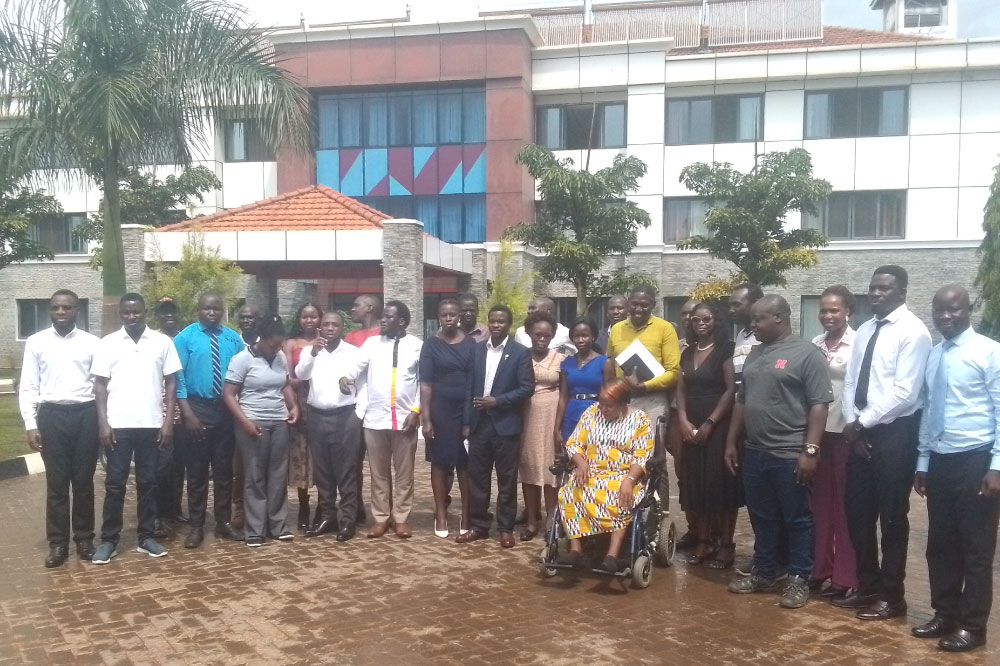
The findings were unveiled during a dissemination meeting held on May 14, 2026, at Roseberry Hotel in Gulu City, attended by researchers, civil society actors, academics, policy analysts, media practitioners and development stakeholders.
The 2021-2024 study examined the extent of philanthropic engagement among local businesses in Arua, Gulu, Mbale and Jinja cities.
Presenting the findings, CivLegacy researcher Irene Bandaru said the study sought to understand the nature of philanthropic giving among local businesses, their motivations, sustainability practices and the communities benefiting from such support.
“The idea was also to answer the long-standing perception that philanthropy is largely Western-centric, yet local communities and businesses are making significant contributions toward social transformation,” Bandaru said.
Research findings
According to the report, a total of 34 local businesses were sampled between April 2021 and April 2024 using both qualitative and quantitative methods, including interviews, surveys and group discussions.
The findings showed that local businesses are increasingly participating in community support initiatives through different forms of giving.

Material and in-kind donations accounted for the largest share at 25 percent, followed by voluntary service and time contribution at 20 percent. Financial donations accounted for 15 percent while partnerships contributed 10 percent. Awareness creation stood at five percent and training and capacity building at four percent.
By regional breakdown, the study found that 34 percent of local businesses in Arua City participated in philanthropy, 25 percent in Jinja City, 22 percent in Gulu City and 19 percent in Mbale City.
The research further established that businesses engage in philanthropy for several reasons, including brand visibility and marketing, alignment with business objectives, religious and cultural values, corporate social responsibility and personal motivations of business owners.
Bandaru explained that many businesses viewed philanthropy as both a social obligation and a strategy for strengthening relationships with communities.
Who benefits?
According to the report, the main beneficiaries of philanthropic support were Community-Based Organisations (CBOs), schools, Non-Governmental Organisations (NGOs), orphanages and vulnerable local communities.
The report noted that schools in Arua received the highest share of donations, orphanages benefited most in Gulu, NGOs dominated support in Jinja while Community-Based Organisations received most support in Mbale.
Areas of support included food relief during the COVID-19 lockdown period, school fees, scholastic materials, health camps, counselling services and access to clean water.
Researchers said the philanthropic interventions had contributed significantly to community wellbeing, improved healthcare access and strengthening of civil society organisations through capacity building and local development initiatives.

Experts call for deeper study
Policy analyst and researcher Simon Opoka commended the research team for documenting local philanthropy but challenged them to further interrogate whether giving was genuinely solving social problems or largely serving institutional fundraising and image-building interests.
“The research is good, but we also need to interrogate whether philanthropy is truly solving the root causes of poverty or merely sustaining dependency,” Opoka said.
He argued that future studies should focus more on long-term poverty alleviation and economic transformation in urban centres that are still struggling economically.
Similarly, Pamela Judith Angwech, Executive Director of Gulu Women Economic Development and Globalization (GWED-G), called for a second phase of the research to explore the deeper dynamics surrounding giving cultures.
“The study should examine both the perspectives of donors and beneficiaries to understand why some communities remain dependent on support and why some businesses give less than what they potentially can,” Angwech said.
Gulu NGO Forum Executive Director Franklin Boniface Okello said the study was intended to reshape public understanding of philanthropy in African societies.
“For a long time, philanthropy has been viewed as something associated with the Western world, yet local communities and businesses have always supported vulnerable people within their societies,” Okello said.
He added that the research aimed to examine whether such local philanthropic traditions could remain sustainable and continue contributing positively to community development.
If you would like your article/opinion to be published on Uganda’s most authoritative news platform, send your submission on: [email protected]. You can also follow DailyExpress on WhatsApp and on Twitter (X) for realtime updates.