
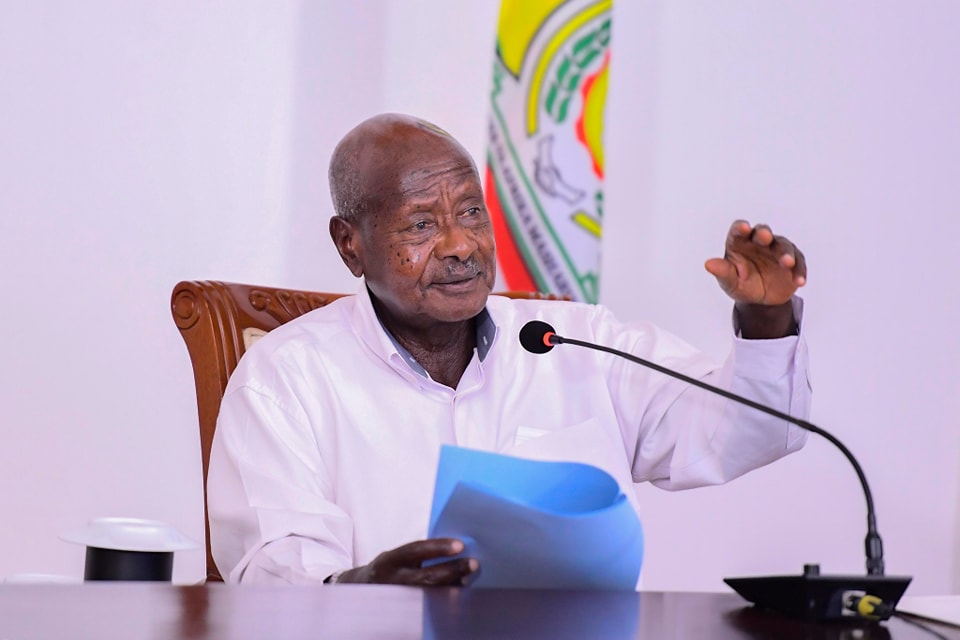
KAMPALA, Uganda: President Museveni’s “Kisanja No Sleep” Cabinet for the 2026–2031 term has revealed one of the closest gender balances Uganda has witnessed in recent governments, with women taking a significant share of both Cabinet and State Ministerial positions.
A DailyExpress analysis of the full executive list released by State House shows that out of the 83 appointments announced, including the Vice President, Prime Minister, Cabinet Ministers and State Ministers, women account for 40 positions while men occupy 43.
The figures translate into women holding nearly 48 per cent of the executive lineup, underlining Museveni’s continued strategy of maintaining strong female representation in government leadership even as men continue to dominate several of the country’s most powerful ministries.
Women maintain top political positions
In the new cabinet, women remain highly visible in some of Uganda’s top leadership positions under the new government arrangement.
H.E. Rtd Maj Jessica Alupo retained her position as Vice President, while Rt Hon Robinah Nabbanja also survived the knife swing to remain Prime Minister and Leader of Government Business in Parliament.
The Cabinet also retained several influential female figures, including Hon Rebecca Kadaga as First Deputy Prime Minister and Minister for East African Community Affairs, First Lady Janet Kataha Museveni as Education Minister, and Hon Milly Babalanda at the Presidency ministry and Judith Nabakooba at Lands.

Meanwhile, Dr Monica Musenero retained a strategic economic docket as Minister of Energy and Mineral Development, transitioning from the docket of Science and Technology, while former Health Minister Dr Jane Ruth Aceng has been reassigned to head the ICT and National Guidance ministry.
Political analysts say the retention of women in highly visible government offices reflects President Museveni’s long-standing balancing strategy aimed at maintaining both regional and gender representation within the Executive.
Men still control most powerful ministries
Despite the strong numerical representation of women, men continue to dominate the country’s most influential ministries, particularly in security, finance, justice and infrastructure.
Out of the 32 full Cabinet-level positions announced, including the Vice President and Prime Minister, men occupy 21 slots while women hold just 11.
The key economic and security ministries remain under male leadership, with Henry Musasizi taking over the Finance docket as Matia Kasaija exits, Ambassador Adonia Ayebare is appointed Foreign Affairs Minister, replacing Gen Jeje Odongo, and former Attorney General, Kiryowa Kiwanuka, now heading Defence and Veteran Affairs.
Other powerful male-controlled ministries include Internal Affairs under Prof Ephraim Kamuntu, Agriculture under Frank Tumwebaze and Trade under businessman Sanjay Tanna.
Observers note that while women increasingly occupy leadership positions, Museveni still appears more comfortable placing strategic security, economic and infrastructure-heavy portfolios under male ministers.
Women dominate State Minister positions
The strongest female representation appears at State Minister level, where women slightly outnumber men. Out of the 51 State Minister appointments announced, women account for 29 positions while men occupy 22.

Women now dominate several sectors, including the Office of the Prime Minister, the Gender ministry, Lands ministry and Water and Environment.
Among the notable female State Ministers are Phiona Nyamutoro, retained at Minerals, Persis Namuganza at Housing, Margaret Muhanga now at Urban Development and Lydia Wanyoto entering cabinet through Public Service.
The new lineup also reflects Museveni’s continued promotion of younger female politicians into government structures, particularly in ministries linked to youth affairs, social development, environment and innovation.
Gender Breakdown at a Glance
| Category | Men | Women |
|---|---|---|
| Vice President, Prime Minister & Cabinet Ministers | 21 | 11 |
| State Ministers | 22 | 29 |
| Overall Total | 43 | 40 |
Museveni’s gender politics at play
The near gender parity in President Museveni’s new Cabinet is likely to strengthen Uganda’s image regarding female political representation both regionally and internationally.
Uganda already ranks among African countries with relatively high female political participation due to constitutional affirmative action policies and long-standing NRM mobilization structures targeting women leaders.
However, critics argue that numerical representation alone does not necessarily translate into equal political influence, pointing out that the most strategic ministries linked to state power, money and security remain overwhelmingly controlled by men.
Others say Museveni’s Cabinet choices continue to reflect his broader political balancing strategy — blending historical loyalists, technocrats, military-linked figures, regional considerations and gender representation as he begins another five-year term.
If you would like your article/opinion to be published on Uganda’s most authoritative news platform, send your submission on: [email protected]. You can also follow DailyExpress on WhatsApp and on Twitter (X) for realtime updates.