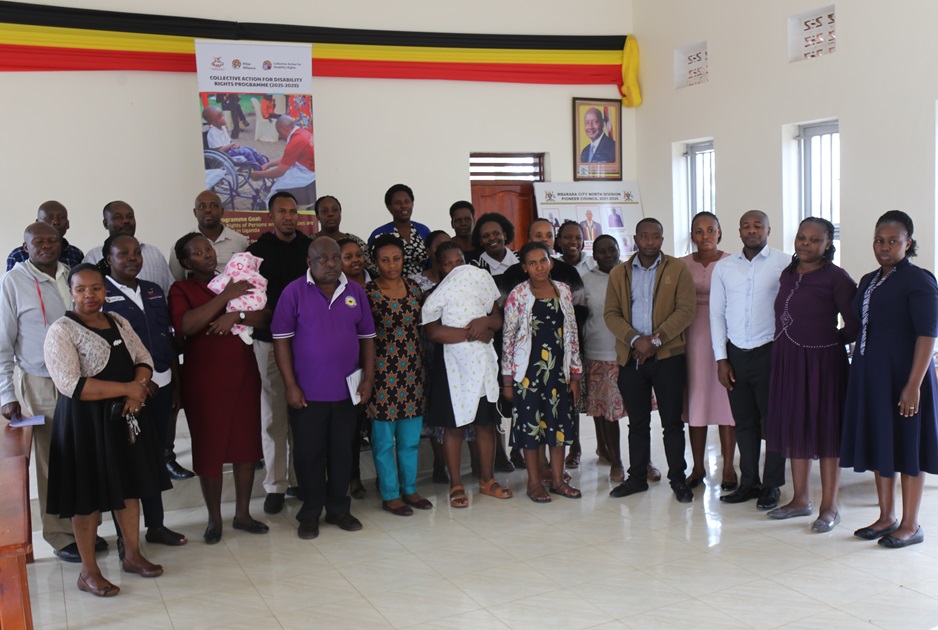
Mbarara City, Uganda: Health workers and Village Health Teams (VHTs) in Mbarara City and Mbarara District have undergone specialized training on the management and support of people living with spina bifida and hydrocephalus, in a move aimed at strengthening disability care and early intervention services.
The training, organized by the Spina Bifida and Hydrocephalus Association of Uganda (SHAU), targeted frontline health workers in Kakiika and Kamukuzi divisions, equipping them with skills to improve identification, referral and long-term support for children born with the conditions.
Health experts said the initiative is part of wider efforts to improve healthcare outcomes for persons with disabilities and reduce preventable cases through enhanced maternal health education.
Speaking during the training, Peter Ssebutinde urged health workers to play a more active role in ensuring children born with disabilities receive appropriate medical attention from birth.
“It is the duty of every health worker to ensure that a child born with a disability is given proper care and support right from birth,” Ssebutinde said.
He also encouraged expectant mothers to attend antenatal care clinics regularly, noting that folic acid supplementation remains one of the most effective interventions in preventing spina bifida. “Women should attend antenatal clinics where they can receive folic acid, which helps in reducing the risk of spina bifida,” he added.

Aaron Ndyowawe, an Occupational Therapist, Public Health Specialist and Programme Administrator at Organized Useful Rehabilitation Services (OURS) based at Ruharo Mission Hospital, emphasized the importance of folic acid before conception and during the first trimester of pregnancy.

According to Ndyowawe, the condition remains a significant public health challenge despite growing awareness campaigns.
“We handle more than 1,400 cases annually, with the Western Region contributing over 100 cases. However, the actual burden is likely higher because many cases go unreported, especially in remote areas,” he said.
Health experts explain that spina bifida occurs when the neural tube, which develops into the brain and spinal cord, fails to close properly during the early stages of pregnancy, often before a woman realizes she is pregnant.
The condition can result in lifelong disability, requiring continuous medical care, rehabilitation and specialized support.
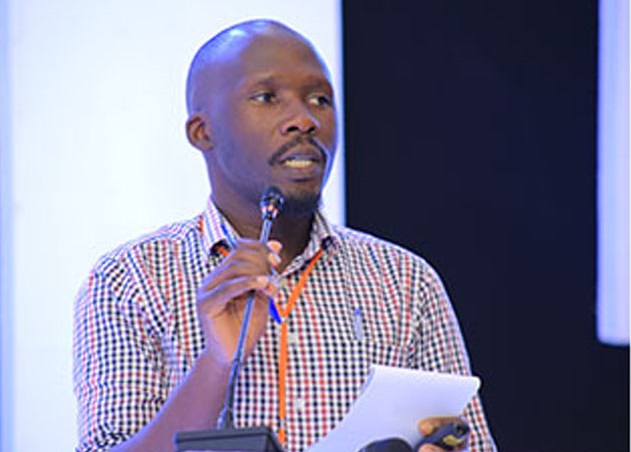
Ndyowawe noted that treatment costs remain beyond the reach of many families. “Most affected children come from low-income families that struggle to meet the cost of long-term care. This is why prevention through folic acid intake and early antenatal care is very important,” he said.
He revealed that surgical intervention can cost more than USD 1,058 (approximately Shs4 million), excluding rehabilitation, assistive devices and regular follow-up care.
In Uganda, specialized treatment services are mainly offered at Mbarara Regional Referral Hospital, Ruharo Mission Hospital, CURE Children’s Hospital of Uganda and Mulago National Referral Hospital.
Living with Disability
Participants also heard testimonies from persons living with spina bifida.

Among them was 37-year-old Byaruhanga Musa from Kamukuzi Division, who shared his experience of living with the condition and the challenges he continues to face in accessing services and opportunities.
Advocates used the occasion to call for greater inclusion of persons with disabilities in healthcare, education and community development programmes.
Ruth Abarinde challenged communities to eliminate discrimination against people living with disabilities, saying stigma continues to limit access to opportunities and essential services.
“Segregation and discrimination against people living with disabilities is still a challenge in our communities. This affects their access to education, health services and social inclusion,” she said.
Abarinde urged communities to embrace equal treatment and support for persons with disabilities, stressing that disability should never be viewed as an inability.
The training forms part of ongoing efforts to strengthen community awareness, improve the capacity of health workers and promote preventive interventions through maternal health education.
SHAU hopes that better-informed health workers and VHTs will contribute to earlier diagnosis, timely referrals and improved quality of life for children living with spina bifida and hydrocephalus across Uganda.
According to health experts, reducing new cases will largely depend on increased antenatal attendance, proper nutrition and widespread awareness about the importance of folic acid supplementation among women of reproductive age.
If you would like your article/opinion to be published on Uganda’s most authoritative news platform, send your submission on: [email protected]. You can also follow DailyExpress on WhatsApp and on Twitter (X) for realtime updates.