


Kampala, Uganda: The death of Rugby Cranes player Sydney Gongodyo has once again thrust Uganda’s persistent problem of mob justice into the national spotlight, raising difficult questions about public trust in the criminal justice system, the value of human life, and the growing tendency for crowds to act as judge, jury and executioner.
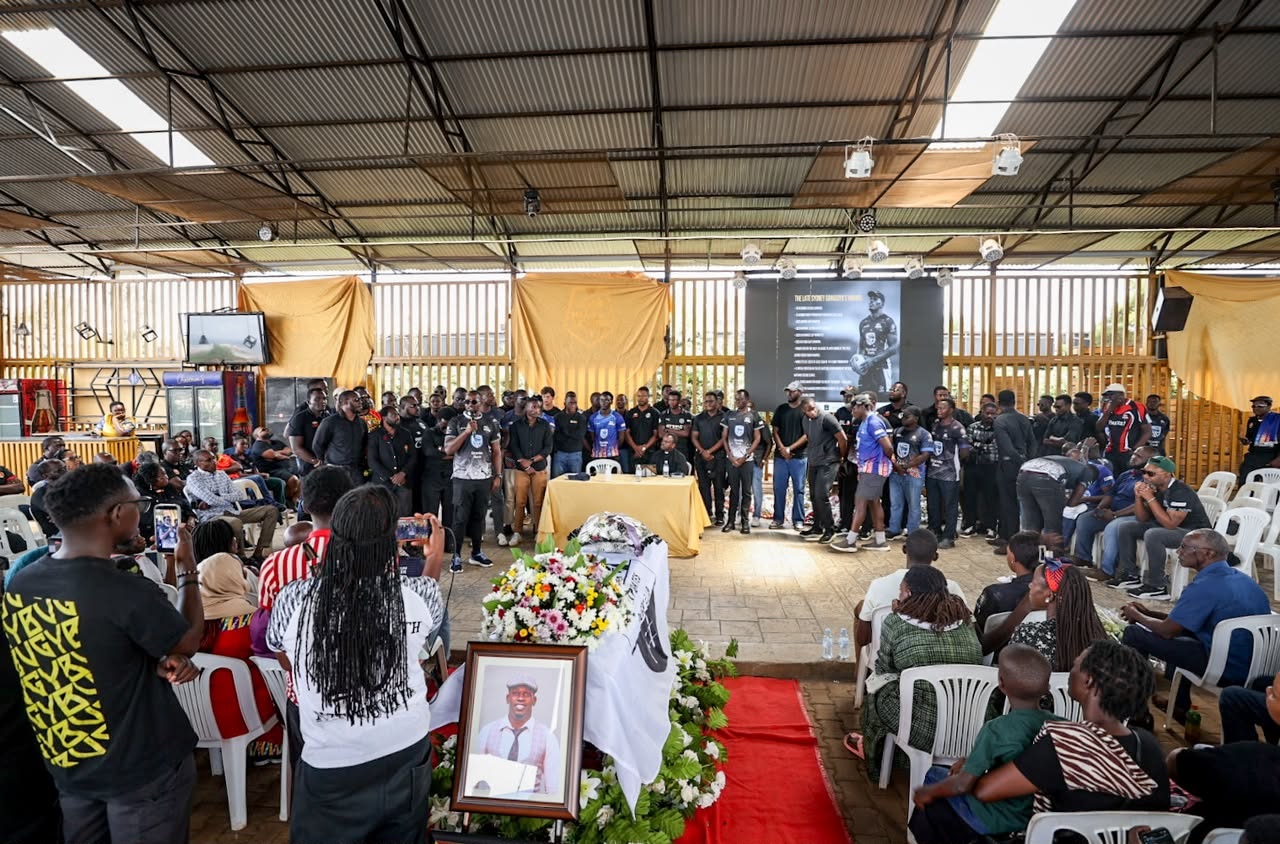
Gongodyo, 27, a Rugby Cranes international and Stanbic Black Pirates player, died on June 5 after sustaining severe injuries in a mob attack in Upper Naguru, Nakawa Division.
According to a police statement issued last week by KMP Spokesperson, SP Racheal Kawala, the rugby star was allegedly accused of snatching a woman’s handbag before an angry crowd descended on him along Ntinda-Bukoto road.
By the time law enforcement intervened, he had suffered life-threatening injuries and was rushed to Mulago National Referral Hospital, where he was pronounced dead later that evening.
Police have since arrested three suspects, including two men and a woman, as investigations continue.
His death sent shockwaves through Uganda’s sporting fraternity.
Gongodyo was more than just another victim of mob violence. He was a national athlete, a student at Makerere University, a member of the Rugby Cranes, and part of the Stanbic Black Pirates side that won the 2025 Uganda Premiership title. In recognition of his contribution to the sport, the Black Pirates retired jersey number seven in his honour.
Yet beyond the grief and tributes lies a deeper national concern.

The circumstances surrounding Gongodyo’s death expose a dangerous trend that continues to claim lives across Uganda: the rise of mob justice as a substitute for lawful criminal processes.
When Crowds Become Courts
Mob justice often begins with an accusation. Sometimes the allegation is true, sometimes false. But in many cases, facts become irrelevant once emotions take over.
Within minutes, a crowd forms. Anger spreads. Individuals who might never commit violence alone become part of a collective assault. The suspect is denied an opportunity to explain, defend themselves, or even survive long enough for the truth to emerge.
In Gongodyo’s case, investigators are still piecing together exactly what happened. Yet the crowd that attacked him had already reached a verdict.
This is perhaps the greatest danger of mob justice: punishment is administered before evidence is examined.
Crisis of Confidence in Justice
Many observers argue that mob justice flourishes where public confidence in formal justice systems is weak.
When citizens believe criminals will be released quickly, investigations might be delayed, or cases lost in the court process, some resort to taking the law into their own hands.
While frustration with crime may be genuine, legal experts warn that mob justice ultimately creates more victims than solutions.
A crowd cannot conduct investigations. It cannot evaluate evidence. It cannot determine guilt beyond reasonable doubt. Instead, it acts on suspicion, emotion and rumour.
History has repeatedly shown that innocent people can become victims of mob violence simply because they were in the wrong place at the wrong time.

The Cost of a Split-Second Decision
What makes the death of Gongodyo particularly heartbreaking is the speed with which events unfolded. A promising athlete who represented Uganda on the international stage lost his life in a matter of hours.
Friends, teammates and family members who expected to see him continue his rugby career instead found themselves organising funeral arrangements.
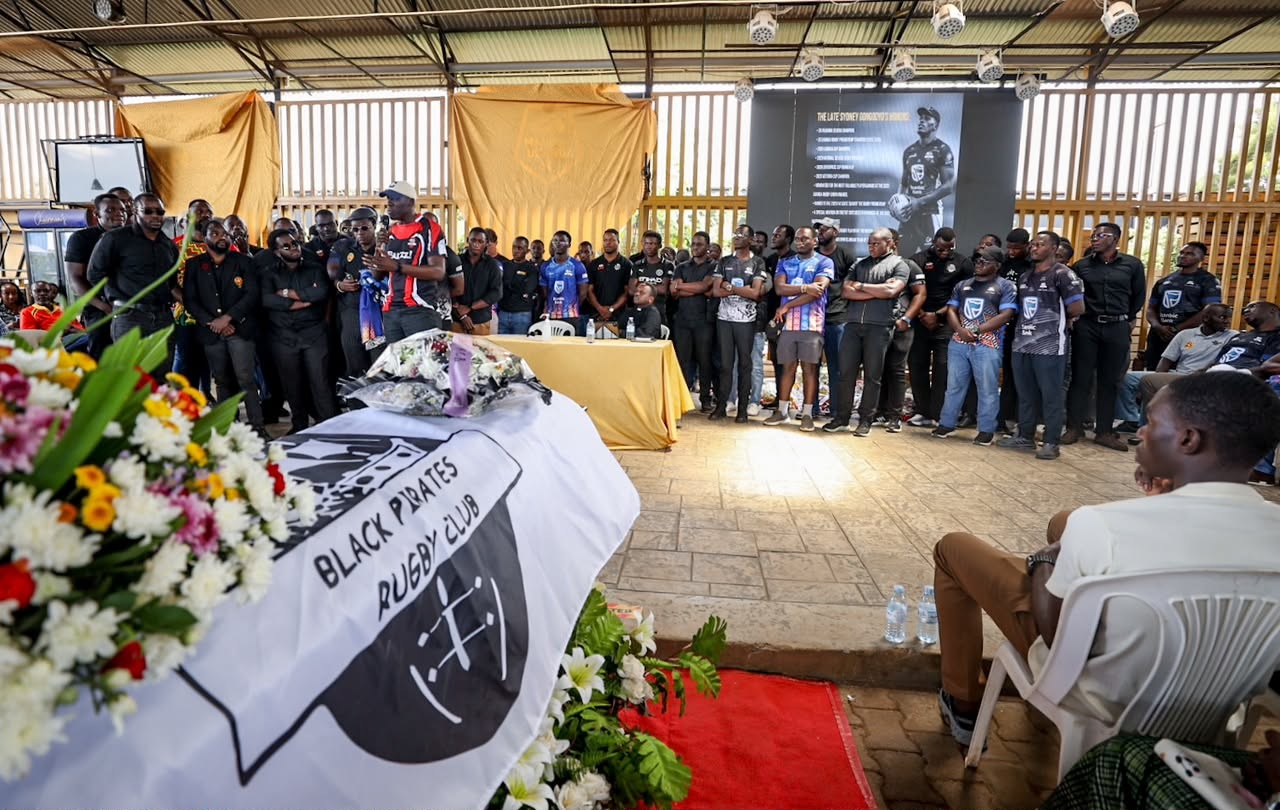
His death serves as a reminder that mob justice does not only affect suspected criminals. It devastates families, communities and institutions.
Uganda’s rugby fraternity has lost one of its brightest talents. A family has lost a son. Friends have lost a colleague. A nation has lost a sportsman.
The Healthcare Question
Gongodyo was rushed to Mulago National Referral Hospital following the attack, but the severity of his injuries proved fatal.
While doctors fought to save him, his death also highlights broader concerns about emergency response systems and trauma care in Uganda.
Medical experts have long argued that victims of severe assault often face a race against time. Delays in transportation, access to specialised treatment and overcrowded emergency facilities can significantly affect survival chances.
For victims of mob violence, every minute counts.
The death of Sydney Gongodyo should not be remembered solely as the tragic loss of a rugby player. It should also serve as a wake-up call.
Uganda’s Constitution guarantees every person the right to a fair hearing and due process. Mob justice strips away those protections and replaces them with violence.
As police investigations continue and the country mourns one of its sporting heroes, the bigger question remains unanswered: how many more lives must be lost before Ugandans reject mob justice and allow the law to take its course?
If you would like your article/opinion to be published on Uganda’s most authoritative news platform, send your submission on: [email protected]. You can also follow DailyExpress on WhatsApp and on Twitter (X) for realtime updates.


