Kwania, Uganda: Authorities in Kwania District have issued a two-week ultimatum to individuals illegally occupying wetlands in Chawente Sub-county, warning that those who fail to vacate will face arrest and prosecution under Uganda’s environmental protection laws.
The directive was announced as district leaders intensified efforts to halt the growing destruction of wetlands through farming, settlement and other human activities that officials say are threatening critical ecosystems and livelihoods.
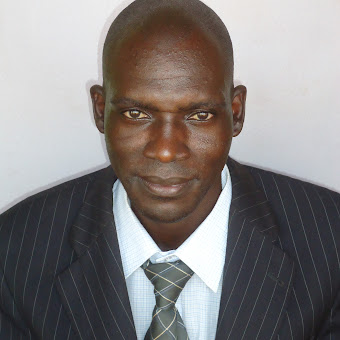
Leading the crackdown is Kwania District LCV Chairperson George K.K. Akacha, who vowed that enforcement would be firm and uncompromising. “We have given residents two weeks to voluntarily vacate the wetlands. Those who ignore this directive will face the full force of the law,” Akacha said.
The district leadership says encroachment has reached alarming levels, with sections of wetlands being converted into farmland and settlement areas despite existing environmental regulations prohibiting such activities.
Officials warn that continued degradation of wetlands threatens water conservation efforts, fisheries, biodiversity and natural flood control systems that communities depend on.
“Wetlands are not just idle land; they are life-support systems. Destroying them is destroying our future. We shall not tolerate continued encroachment,” Akacha emphasized.
He urged residents to voluntarily remove fences, dismantle structures and vacate the protected areas before enforcement teams move in. “I urge residents to voluntarily remove fences and structures. If you wait for enforcement, you will face the full force of the law,” he added.
Environmental Concerns

The ultimatum comes amid growing concern from environmental experts and natural resources officials over the rapid disappearance of wetlands across Uganda.
According to officials from the District Natural Resources Department, the destruction witnessed in Chawente poses serious long-term risks to local communities. “We have seen alarming destruction. If we don’t act now, the consequences will be irreversible—loss of fish, drying water sources and increased flooding,” a district natural resources official warned.
Wetlands play a critical role in maintaining ecological balance by filtering water, recharging underground aquifers, regulating floods and providing breeding grounds for fish and other wildlife.
Environmental experts argue that their destruction often results in increased flooding during rainy seasons, prolonged drought effects during dry spells and declining agricultural productivity.
Uganda’s Wetland Challenge
Kwania’s enforcement drive mirrors a broader national campaign to restore and protect wetlands that have increasingly come under pressure from population growth, urban expansion and commercial agriculture.
Government data has previously shown that Uganda has lost a significant portion of its wetland cover over the past three decades due to human encroachment and unsustainable land use practices.
The Ministry of Water and Environment has repeatedly warned that continued wetland degradation threatens the country’s climate resilience and food security.
In recent years, government has intensified restoration efforts, including evictions of encroachers, wetland demarcation and public awareness campaigns aimed at promoting sustainable land use.

Mixed Reactions from Residents
The ultimatum has generated mixed reactions among residents in Chawente Sub-county.
While some community members acknowledged the importance of conserving wetlands, others expressed concern over the short timeframe provided for relocation.
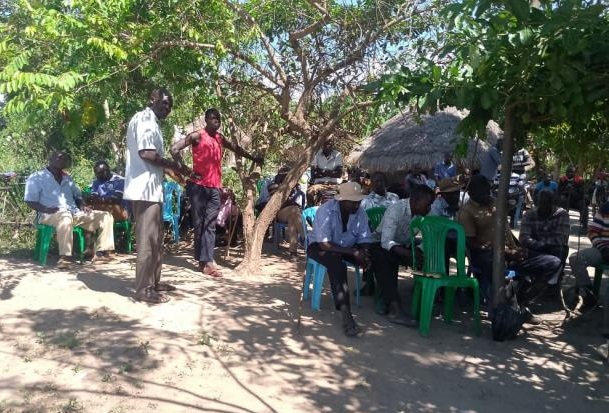
“We depend on farming, but we also see floods worsening. If the government helps us relocate, we can comply,” one farmer told district officials during community engagements.
Others criticized authorities for what they described as delayed enforcement. “Authorities have been silent for years. Now they want us out in two weeks. It feels rushed,” a local elder remarked.
Despite the concerns, district leaders insist that protecting wetlands can no longer be postponed given the environmental risks involved.
Authorities say voluntary compliance remains the preferred option and have encouraged residents to cooperate with environmental officers to avoid confrontation.
However, officials have made it clear that enforcement operations will commence once the two-week deadline expires.
District leaders say anyone found continuing to occupy, cultivate or construct structures in protected wetlands after the grace period will face legal action.
The district administration hopes the exercise will not only restore degraded wetlands in Chawente but also serve as a warning to encroachers in other parts of Kwania.
If you would like your article/opinion to be published on Uganda’s most authoritative news platform, send your submission on: [email protected]. You can also follow DailyExpress on WhatsApp and on Twitter (X) for realtime updates.