
Kiryandongo, Uganda: Communities living along the boundary of a national park in Kibanda South Constituency have intensified calls for urgent government intervention following continued destruction of crops, property and livelihoods by wild animals, particularly elephants straying into settlements from the protected area.
Residents say the escalating human-wildlife conflict has become a major threat to household incomes and food security, as farming remains the primary source of livelihood for most families in the area.
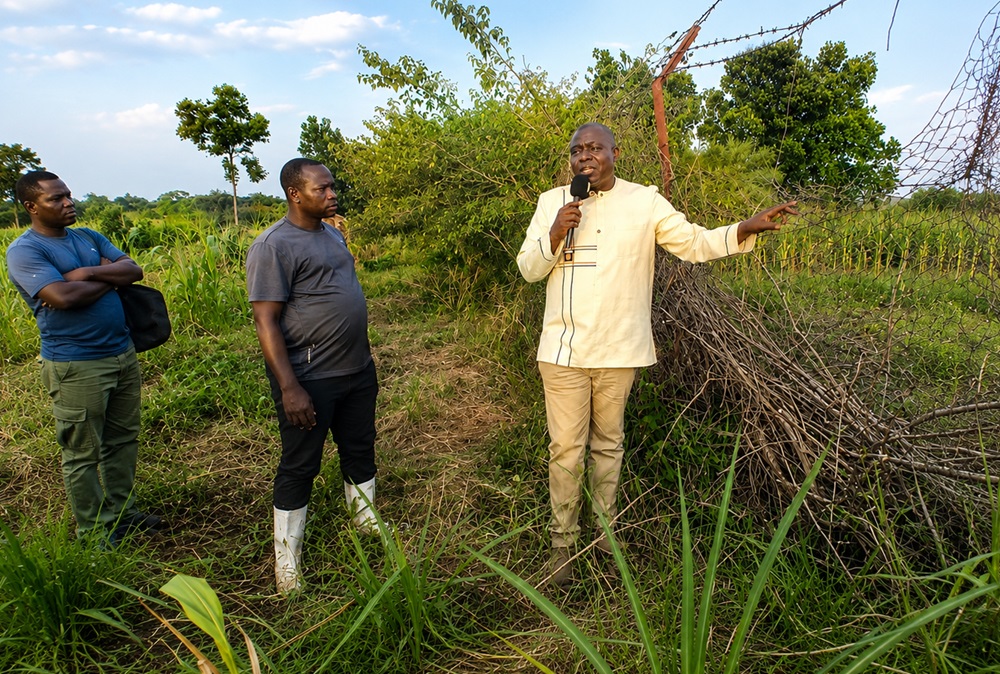
The renewed appeal follows an extensive field assessment conducted over the weekend by Kibanda South Member of Parliament Jacob Karubanga Ateenyi in Rwamudopyo Village, where he inspected sections of the park boundary to assess the extent of destruction and evaluate ongoing mitigation measures.
Karubanga was accompanied by Kigumba Sub-county Chairperson Ulama Museveni, his Political Assistant Habibi K. Ramadhan, local leaders and residents from affected communities.
The team traversed several sections of the park boundary stretching from the Kiryandongo-Masindi district border, inspecting both fenced and unfenced areas. Community leaders guided the delegation through farms and settlements where electric fencing has already been installed by the Uganda Wildlife Authority (UWA).
The findings revealed a stark contrast between protected and unprotected sections of the boundary.

Residents in areas where electric fencing has been completed reported a significant reduction in wildlife incursions, allowing farmers to cultivate their land with greater confidence. Crops in these areas were observed to be thriving, with community members attributing the improvement to the effectiveness of the fencing project.
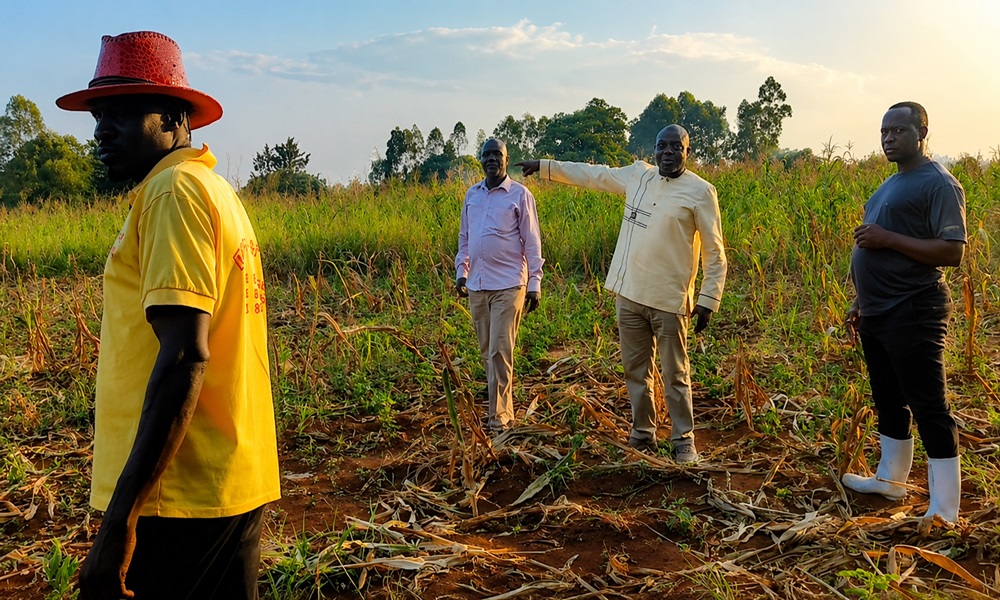
However, communities located along unfenced stretches continue to suffer frequent invasions by elephants and other wild animals.
Farmers reported losing large portions of their harvests, with some households experiencing repeated destruction that has affected both income generation and food supplies.
The observations have strengthened calls for the government and UWA to expedite completion of the remaining sections of the electric fence.
Residents argued that the success recorded in already protected areas demonstrates that fencing remains one of the most practical and sustainable solutions to the long-standing challenge of human-wildlife conflict.
Addressing residents during the visit, Karubanga said the assessment was intended to provide firsthand information to support advocacy efforts at the national level.
“I wanted to personally assess the situation and compare conditions in areas protected by the electric fence with those that remain exposed. The difference is very clear. Where fencing exists, farmers are able to grow crops without disruption from wildlife. This confirms that the project is working and reinforces our commitment to continue advocating for its completion,” he said.
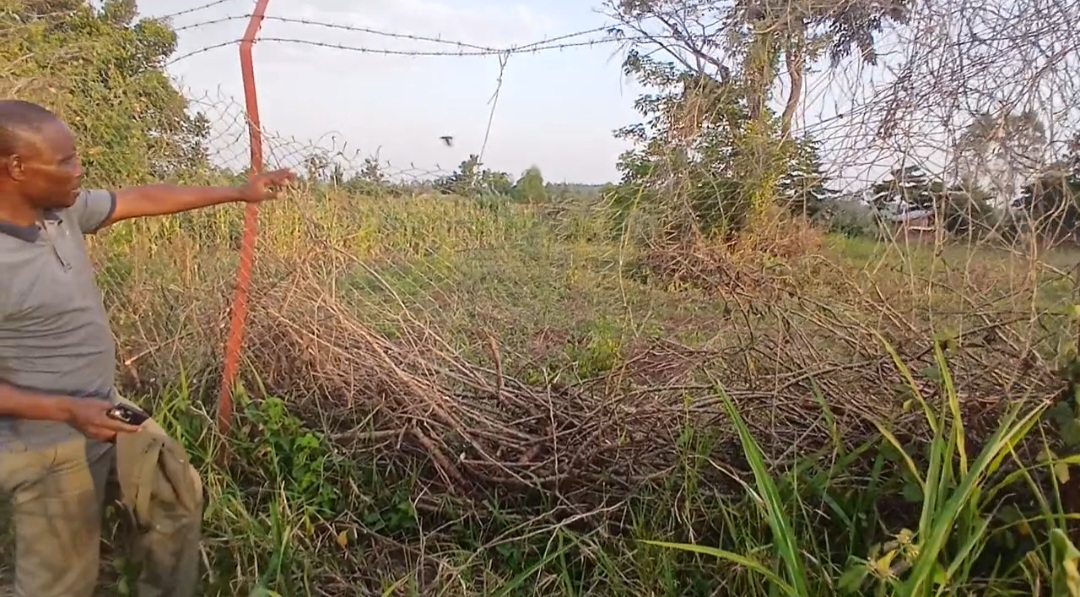
Residents also raised concerns about a recent incident at Mpumewe Health Centre, where wild animals reportedly breached part of the facility’s perimeter and entered nearby gardens, destroying crops belonging to health workers and surrounding residents.

Community leaders warned that the movement of wildlife into areas hosting essential public services poses serious safety risks to patients, staff and visitors.
While acknowledging the importance of wildlife conservation, residents stressed that communities living alongside protected areas should not bear the burden of conservation efforts alone.
Several local leaders called on government to prioritise completion of the fencing project, arguing that every planting season lost to wildlife invasions pushes more families into poverty and discourages agricultural production.
Karubanga described the matter as urgent, warning that delays in extending the electric fence could worsen food insecurity and economic hardship among vulnerable households.
“There is an urgent need for the responsible authorities to accelerate the fencing of the remaining sections of the park boundary. Communities should not continue suffering avoidable losses when a proven intervention already exists,” he said.
The legislator later inspected damaged sections of the perimeter fence at Mpumewe Health Centre before assuring residents that he would compile a detailed report for presentation before Parliament and engage relevant government agencies to seek a lasting solution.
As pressure mounts for action, residents of Rwamudopyo, Mpumewe and neighbouring villages remain hopeful that completion of the electric fencing project will provide long-term protection for farms, homes and public facilities.
Local leaders maintain that effective wildlife conservation must go hand in hand with protecting the safety, welfare and livelihoods of communities living alongside Uganda’s national parks.
If you would like your article/opinion to be published on Uganda’s most authoritative news platform, send your submission on: [email protected]. You can also follow DailyExpress on WhatsApp and on Twitter (X) for realtime updates.