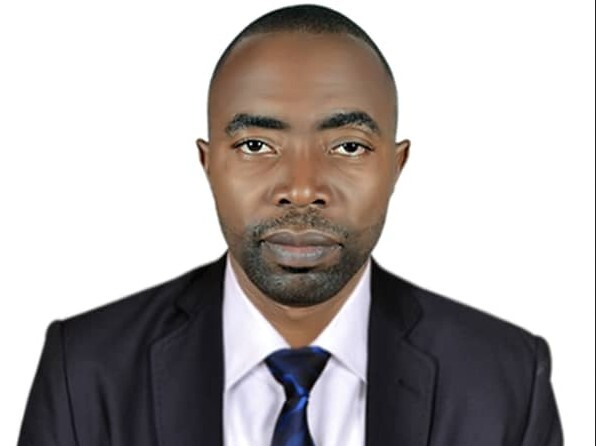
By Ben Ssebuguzi
The Parish Development Model (PDM), on the surface, is a government policy designed to promote agricultural value chains, infrastructure and economic services, financial inclusion, social services, community mobilization and mindset change, parish-based information management systems, and governance.
PDM is not about handouts. President Yoweri Museveni has repeatedly cautioned Members of Parliament against using their personal finances to give handouts because such practices are unsustainable. PDM is a flagship programme aimed at eradicating extreme rural poverty and reducing the dependency syndrome.
This poverty alleviation policy is intended to transition people from ultra-poor households that are reliant on assistance into self-sufficient and productive citizens. It is meant to change lives and restore dignity to communities.
Unlike the Office of the National Chairman (ONC) model, which President Museveni placed under Hajjat Hadijah Namyalo and which involves direct asset transfers such as welding machines, salon equipment, goats, chickens and other productive assets to vulnerable people, PDM provides a policy framework that enables citizens to transition into proactive work ethics and move from subsistence living to commercial enterprise.
This game-changing programme, which was allocated more than Shs2 trillion in the FY2025/26 budget, is intended to transition the 39 percent of Ugandans who are still outside the money economy into productive participation in the economic system. This transition is expected to generate more resources and make Uganda more competitive on the global stage.
Economic transformation is more important than political transition because the latter can leave people behind as destitute citizens if not supported by economic empowerment. Therefore, it is important to understand which should come first between political and economic transformation.
What President Museveni wants is for every Ugandan to own a thriving enterprise, maintain a savings account and be able to feed their family. This should become a source of pride for leaders at every level of society.
Action Points to Strengthen PDM
1. Skills Training
Since many beneficiaries are new entrants into specific enterprises, especially agriculture, there is a need to train them on how to effectively manage their ventures. Knowledgeable cadres in each district who are willing to offer voluntary services should be facilitated to reach every parish and train beneficiaries in poultry farming, crop production and animal husbandry.

This will increase productivity and household incomes. Skills transfer should therefore become one of the key benefits of PDM.
2. Promote Household Food Security
People should be encouraged to grow enough food for household consumption before accessing PDM funds. This would help ensure that beneficiaries do not sell productive assets, such as a cow acquired through the programme, simply to purchase food.
3. Continuous Mentorship
Regular mentorship and coaching, including financial literacy training, can build confidence among beneficiaries and help shift mindsets from mere survival to entrepreneurship.
Long live General Yoweri Museveni. Long live Hajjat Hadijah Namyalo.
The writer is a researcher at the Office of the National Chairman (ONC) and a promoter of the Kisanja Hakuna Kulala campaign.
If you would like your article/opinion to be published on Uganda’s most authoritative news platform, send your submission on: [email protected]. You can also follow DailyExpress on WhatsApp and on Twitter (X) for realtime updates.