
KCCA FC is one of the defining names in Ugandan football. Based in Kampala, the club has built its reputation through decades of domestic success, strong organization, youth development, and memorable continental campaigns. Few teams in Uganda can match its combination of history, trophies, identity, and influence.
For fans who follow the Uganda Premier League, club rivalries, player development, and even football discussions around the top 10 betting sites in Uganda, KCCA FC remains one of the most recognized and respected teams in the country. Its matches attract attention not only because of results, but because the club represents a long tradition of competitive football in the capital.
From Council Workers to a National Football Giant
KCCA FC was founded in 1963 as Kampala City Council FC. According to the club’s official history, it was established by Samuel Wamala, who worked in the Council’s Sewage Works section, and the team initially included casual workers from that department before expanding across other Kampala City Council departments.
This origin story is one of the reasons KCCA feels different from many other clubs. It did not begin as a glamorous football project. It grew from the working life of the city itself. That connection to Kampala has remained central to the club’s identity.
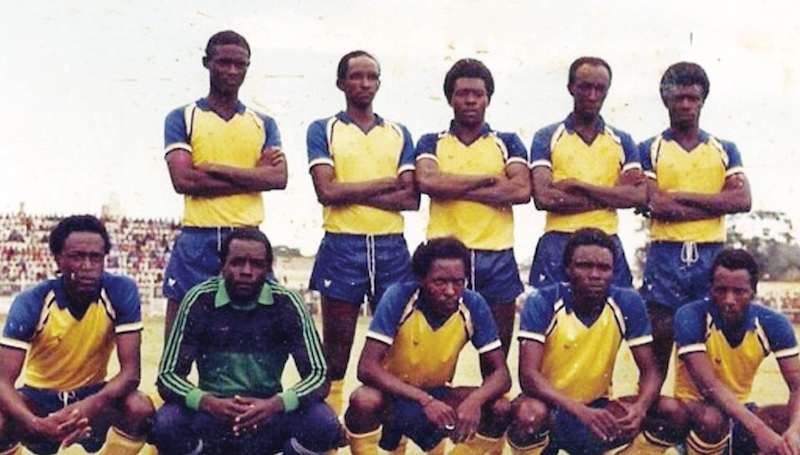
As Kampala City Council later became Kampala Capital City Authority, the football club also became known as KCCA FC. Older supporters still remember the team as KCC, while younger fans know it as the Cityzens or the Kasasiro Boys. The name may have changed, but the link with Kampala has stayed strong.
The Rise Through Ugandan Football
KCCA did not become a giant overnight. The club began in lower-level football and gradually climbed into national competition. By the 1970s, it was already competing seriously with Uganda’s strongest sides.
The breakthrough came in 1976, when KCCA won its first league title. It followed that success with another championship in 1977, proving that the first triumph was not a one-off. From that point, the club became one of the permanent forces in Ugandan football.
The 1980s were especially important. KCCA won league titles in 1981, 1983, and 1985, building a golden-era reputation for discipline, technical quality, and resilience. That period helped establish the club as a team expected to compete for trophies almost every season.
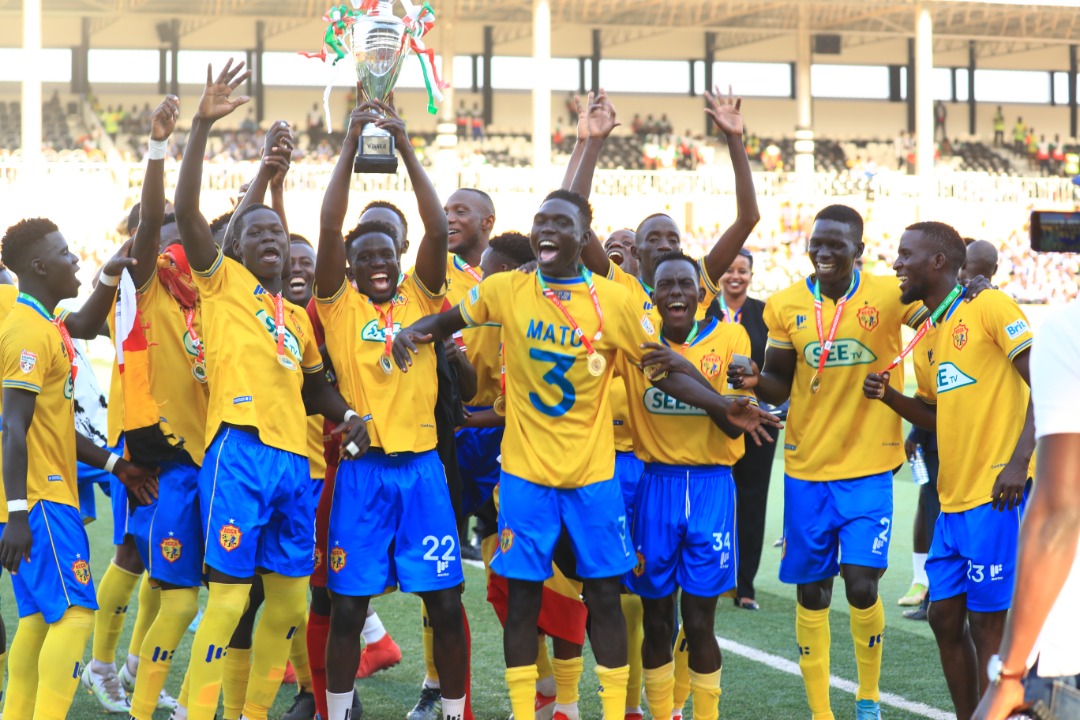
A Trophy Cabinet Full of History
KCCA FC is one of Uganda’s most decorated clubs. The club’s official honours list includes 13 Uganda Premier League titles, 10 Uganda Cup titles, 6 FUFA Super Cups, 2 CECAFA Club Cups, and 1 Super 8 title.

Those numbers matter because they show success across different eras. KCCA has not depended on one generation of players or one short period of dominance. Its league titles stretch from the 1970s to the modern Uganda Premier League era.
The Uganda Cup record is also significant. KCCA’s 10 titles place it among the competition’s most successful clubs. Cup football requires a different kind of mentality because one bad day can end a campaign. KCCA’s repeated success in knockout football shows the club’s ability to handle pressure.
The CECAFA Club Cup victories are another important part of the story. Regional success gave KCCA a wider East African reputation and showed that Ugandan clubs could compete beyond national borders.
Continental Breakthroughs
KCCA FC’s role in Ugandan football is not limited to domestic trophies. The club has also carried the national flag in African competitions.
One of its most important continental achievements came in 2017, when KCCA reached the CAF Confederation Cup group stage. Reports at the time described it as a major breakthrough because no Ugandan club had reached the group stage of a CAF club competition since the format changes in the Champions League and Confederation Cup.
In 2018, KCCA made more history by becoming the first Ugandan club to reach the CAF Champions League group stage. FUFA publicly celebrated the achievement as a milestone for Ugandan football and a sign that the country’s clubs could push for greater continental recognition.
These moments mattered beyond KCCA itself. They raised the profile of the Uganda Premier League, gave local players exposure against stronger African opposition, and helped Ugandan football argue for greater respect on the continental stage.
A Club Built on Professional Standards
KCCA FC is often viewed as one of Uganda’s better-organized football institutions. Its strength has not only come from good players, but from structure, planning, and a clear football identity.
The club has invested in administration, branding, coaching, media, and youth development. Its home, MTN Omondi Stadium in Lugogo, is one of the most recognizable football venues in Uganda. The stadium has become part of the club’s identity, hosting league matches, continental fixtures, and emotional nights for supporters.
During the modern era, KCCA also became known for trying to play a more deliberate, possession-based style. Under coaches such as Mike Mutebi, the club developed a reputation for trusting young players, building from the back, and playing with confidence.
This helped change expectations in Ugandan football. KCCA showed that a club could compete for trophies while also trying to build a recognizable style of play.

Youth Development and the Academy
One of KCCA’s most important contributions is youth development. The club’s academy has become a pathway for young players hoping to move from junior football into the senior team.
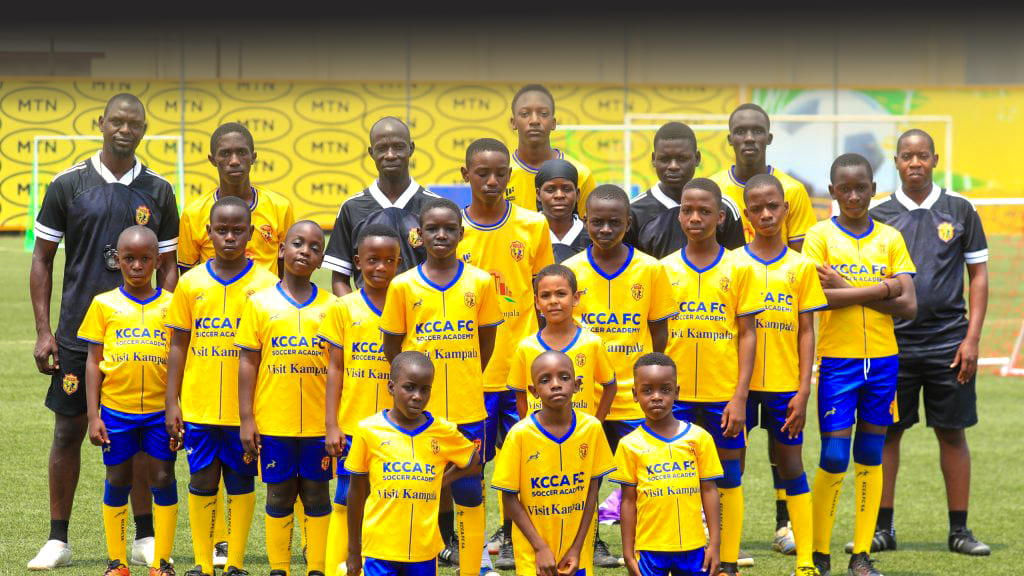
KCCA’s academy model has helped produce players who later represented the club at senior level and, in some cases, the Uganda national team. This is crucial for a country where many talented players still need better structures to move from school or grassroots football into professional environments.
A strong academy does more than help one club. It improves the national football ecosystem. When KCCA develops technically prepared, disciplined players, the benefits can reach the Uganda Premier League, youth national teams, and the Uganda Cranes.
Rivalries and Football Culture
KCCA’s history is also shaped by rivalry. Matches against SC Villa, Express FC, and Vipers SC are among the most anticipated fixtures in Ugandan football.
The rivalry with SC Villa carries historical weight because both clubs have spent decades competing for domestic supremacy. Games against Express bring another layer of Kampala football tradition. In recent years, Vipers have become a major modern rival, challenging KCCA for trophies and pushing standards higher.
These matches are important because they keep Ugandan club football alive in public conversation. They create emotion, debate, and identity. A strong KCCA makes the league more competitive, and a competitive league helps Ugandan football grow.
Why KCCA FC Still Matters
KCCA FC matters because it combines history with continued relevance. Some clubs have glorious pasts but little modern influence. KCCA has both.
Its trophies show long-term success. Its continental achievements show ambition. Its academy shows commitment to the future. Its connection to Kampala gives it a strong identity. Its rivalries help sustain fan interest in domestic football.
The club’s official honours, including 13 league titles and 10 Uganda Cups, place it among Uganda’s elite football institutions. But its real legacy is larger than silverware. KCCA has helped shape how Ugandan clubs think about professionalism, youth development, branding, and continental competition.
Conclusion
KCCA FC is not just a successful football team. It is a central part of Uganda’s football story. From its humble beginnings in 1963 to its rise as a trophy-winning giant, the club has consistently influenced the direction of the game.
Its history reflects Kampala’s sporting identity, its trophies prove its competitive strength, and its academy points toward the future. As Ugandan football continues to evolve, KCCA FC remains one of the clubs most likely to define what progress looks like. For supporters, players, and rivals alike, the Cityzens are still one of the true benchmarks of Ugandan football.
If you would like your article/opinion to be published on Uganda’s most authoritative news platform, send your submission on: [email protected]. You can also follow DailyExpress on WhatsApp and on Twitter (X) for realtime updates.