Kampala, Uganda: The Provincial Church of Uganda has publicly distanced itself from a group operating under the name “Reformed Anglican Church”, warning Christians and the public that the faction is neither recognised nor affiliated with the Church of Uganda or the wider Global Anglican Communion.
In a statement issued on Thursday, June 25, by the Provincial Secretariat, the Church expressed concern over what it described as the unauthorized use of Anglican hymns, liturgical practices, and clerical attire by individuals associated with the group.
Provincial Secretary Rev. Canon William Ongeng said the actions were misleading members of the public into believing that the Reformed Anglican Church is part of or connected to the Church of Uganda.
“Church of Uganda wishes to categorically state that the Reformed Anglican Church is not affiliated with, recognized by, or in communion with Church of Uganda or the Global Anglican Communion (GAC). Any claims or representations suggesting otherwise are false and intended to mislead the public.”
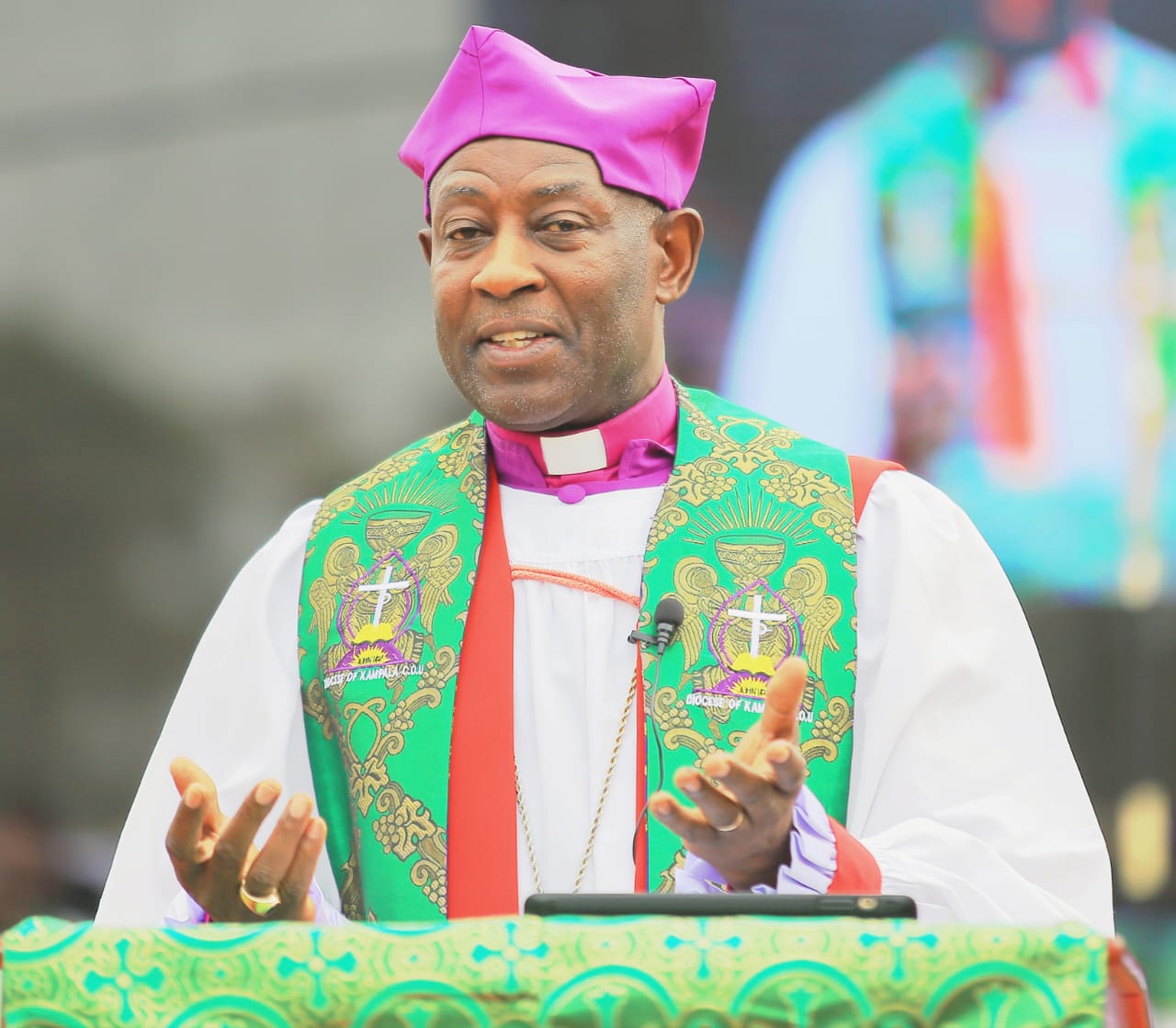
The Church further raised concern over the use of ecclesiastical garments traditionally associated with Anglican clergy and bishops.

According to Rev Ongeng, individuals linked to the group have been wearing clerical collars, cassocks, episcopal shirts, pectoral crosses, mitres, croziers, and other episcopal insignia without authorization.
“We are particularly concerned by the unauthorized use of vestments resembling those worn by Clergy and Bishops of the Church of Uganda, as well as the adoption of Anglican worship traditions and hymns to create an impression of legitimacy.”
He added that the wearing of such vestments by persons who are neither licensed nor recognised by the Church of Uganda constitutes serious misrepresentation.
Rev Ongeng further urged Christians and members of the public to verify the authenticity of any individual or ministry claiming to represent the Anglican Church.
The Church emphasized that genuine clergy of the Church of Uganda serve under duly constituted dioceses headed by bishops and remain accountable to the Church’s Constitution and Canons.
“Church of Uganda urges all Christians and members of the public to exercise vigilance and verify the authenticity of any person or ministry claiming to represent the Anglican Church.”
The Church also warned that legal action would be pursued if the alleged misrepresentation continues. “Should this misrepresentation continue, legal action will be taken to safeguard the integrity of the Anglican doctrine and worship.”

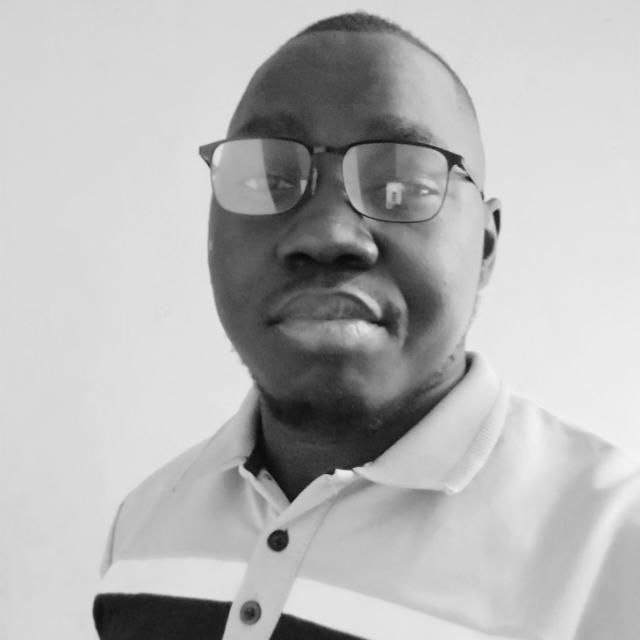
The latest warning comes against the backdrop of the emergence of the Reformed Anglican Church (RAC), an independent Christian denomination that has established congregations in several parts of Uganda over recent years.
The Reformed Anglican Church, led nationally by Archbishop Jonathan Kyangasha, says it was formally registered in Uganda in 2020 and has since expanded into regions including West Nile, Busoga, Teso, Acholi, and Kigezi.
The denomination describes itself as part of the “continuing Anglican” tradition but operates independently of the Church of Uganda and the worldwide Anglican Communion.
In recent years, the faction has consecrated bishops and launched dioceses across different parts of the country, including the Upper Nile Diocese under Bishop Charles Okunya Oode and, more recently, the Acholi Diocese. Its leaders have maintained that they are a distinct denomination rather than a branch of the Church of Uganda.
The dispute between the C.O.U and R.A.C is not entirely new. Similar disagreements have previously emerged in parts of western and eastern Uganda, where some clergy and congregations left the Church of Uganda to join the Reformed Anglican Church following internal leadership and ecclesiastical disputes.
Church of Uganda leaders have consistently maintained that only clergy licensed under its 39 dioceses are authorised to minister on its behalf.
If you would like your article/opinion to be published on Uganda’s most authoritative news platform, send your submission on: [email protected]. You can also follow DailyExpress on WhatsApp and on Twitter (X) for realtime updates.