
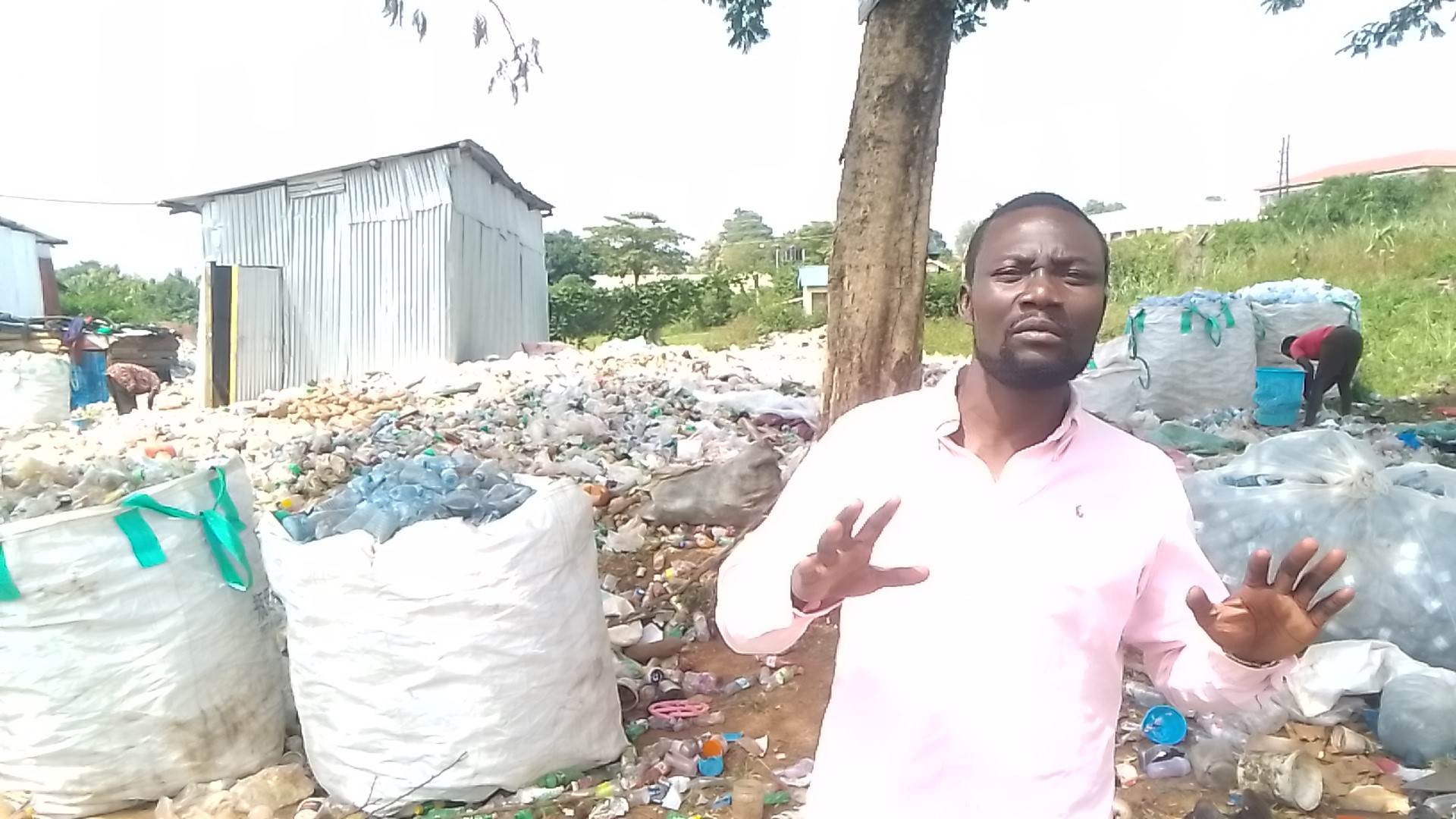
Gulu City, Uganda: Private garbage collectors and recyclers in Gulu City have appealed to the city authorities and central government for financial support, warning that they are becoming overwhelmed by the growing volume of waste generated every day despite playing a critical role in keeping the city clean.
The appeal comes as Gulu City generates an estimated 120 to 137 tonnes of waste daily, yet only about 20 percent is formally collected, leaving private recyclers to bridge the gap through collection, sorting and recycling of both organic and inorganic waste.
One of the city’s leading recycling firms, Green Home Plastics, says it is struggling to sustain operations despite its contribution to environmental conservation and employment creation.
Founder and Chief Executive Officer Bosco Endriko said the company spends approximately Shs900,000 every day to run its recycling facility located at Kenneth Kaunda Liberation Grounds in Bardege-Layibi Division.
“They should rise up and give us a hand. This work is too much and we are getting tired,” Endriko said. He noted that although the company earns some income from recycled products, the returns are insufficient to cover operational costs.
“These wastes are so harmful to our environment, especially solid waste like plastics, which block drainage channels and cause bad smells in the city,” he added.

Endriko called on both the local and central governments to establish financial partnerships with private waste managers, arguing that improved support would significantly enhance garbage collection and environmental protection.
Green Home Plastics Manager Ivan Ndaishaba said the company collects a wide range of waste materials, including plastic bottles, polythene bags, broken household plastics, cartons and other recyclable products from across the city.
He explained that the waste often arrives in poor condition, requiring extensive cleaning and sorting before processing. “The waste comes in a very bad state because it takes us a lot of resources to clean it,” Ndaishaba said.
The company currently employs more than 60 young people, who collect recyclable materials from different parts of the city before selling them to the recycling centre at Shs200 per kilogramme.
According to Ndaishaba, the facility receives between 800 kilogrammes and one tonne of waste every day, translating into approximately seven tonnes per week and nearly 30 tonnes every month.
After collection, paper and cartons are compressed using specialised machines, while plastic waste is cleaned, sorted and either sold or processed into reusable raw materials.
Workers Appeal for More Protective Equipment
Employees at the recycling facility have also raised concerns over inadequate personal protective equipment (PPE), saying the nature of their work exposes them to numerous health hazards.
Cleopatra Atimango, who joined the company a month ago after losing her previous job during Gulu City’s trade enforcement operations, said collecting plastic waste often exposes workers to dangerous materials.

“Sometimes when I am deployed to collect plastics from the field, I find bottles contaminated with urine, faeces, and even sharp objects like nails. It exposes us to danger,” she said, appealing to well-wishers and development partners to support the company with protective gear.
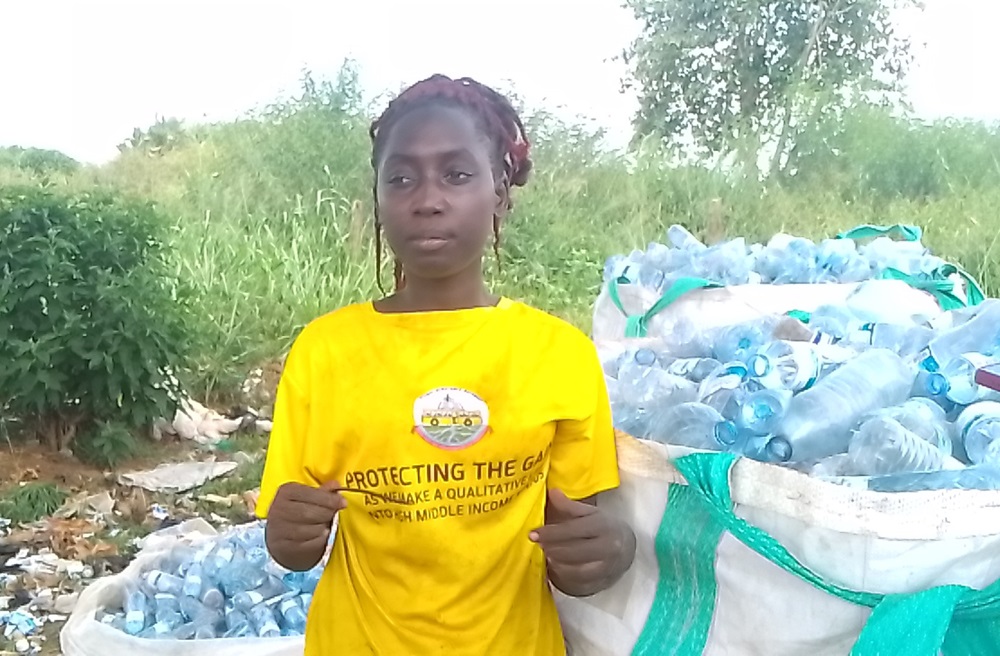
Another employee, Rashid Swale, said workers urgently need durable gloves, overalls, face shields, nose masks and helmets.
Endriko acknowledged the challenge, noting that although the company provides protective equipment, replacing worn-out gear for more than 60 employees is financially demanding. “A single pair of gloves costs about Shs5,000. Buying them regularly for over 60 workers is quite expensive,” he said.
Garbage Burden Continues to Grow
The waste management challenge has persisted despite efforts by successive city leaders. Former Bardege-Layibi Division Mayor Patrick Oola Lumumba previously revealed that the division spent approximately Shs6 million every week, equivalent to nearly Shs30 million per month, on garbage collection.
He attributed the high expenditure to the rapidly growing urban population and increasing waste generation.
During his swearing-in ceremony on May 19, 2026, Gulu City Mayor Julius Acire Labeja, popularly known as Gunya, identified environmental management and garbage collection among his administration’s top priorities.
However, he has yet to publicly unveil a comprehensive waste management strategy for the city. Efforts to obtain his comment on the private recyclers’ appeal were unsuccessful.
Environmental experts say stronger collaboration between local governments and private waste management companies will be critical if Uganda’s rapidly expanding urban centres are to improve waste collection, increase recycling rates and reduce pollution.
If you would like your article/opinion to be published on Uganda’s most authoritative news platform, send your submission on: [email protected]. You can also follow DailyExpress on WhatsApp and on Twitter (X) for realtime updates.