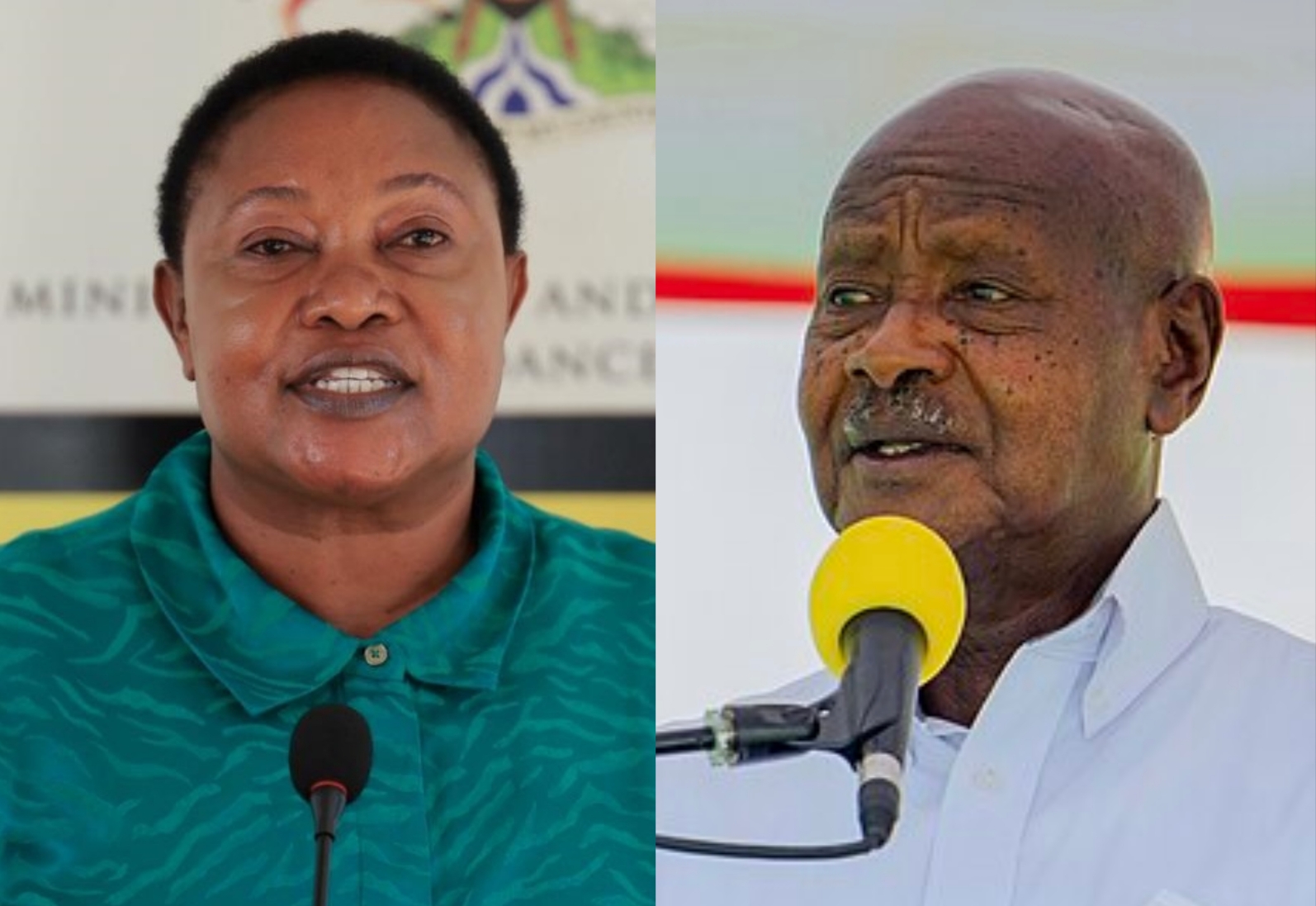
Kampala, Uganda: President Yoweri Kaguta Museveni has ordered a formal investigation into alleged financial irregularities surrounding the recruitment of Assistant Resident District Commissioners (A-RDCs) and Assistant Resident City Commissioners (A-RCCs) following claims that billions of shillings appropriated for salaries and operations may have been mismanaged.
The directive follows the submission of a whistleblower’s dossier alleging widespread financial impropriety within the Office of the President, including claims that billions of shillings allocated for the recruitment and remuneration of A-RDCs remain unaccounted for.
According to officials familiar with the matter, the dossier alleges that approximately Shs15 billion was lost during the recruitment exercise, while additional concerns have been raised over salary and allowance funds that were reportedly budgeted but never paid during the delayed recruitment process.
In response, President Museveni has reportedly, according to sources, directed the Director-General of the Internal Security Organisation (ISO) to conduct a comprehensive investigation and submit findings within two weeks.
The inquiry, sources say, will examine the recruitment process, utilisation of appropriated funds, procurement records, payroll management and allegations of possible ghost officers within the system.
Recruitment delays under scrutiny
The recruitment of Assistant RDCs was approved under the 2022/2023 financial year budget, with Parliament appropriating funds to facilitate salaries and operational support.
However, despite the budgetary allocation, the officers were not deployed until April 2024, nearly two years after the positions had been approved.
Sources familiar with the matter allege that the funds earmarked during that period were neither returned to the Consolidated Fund nor paid to the officers eventually recruited.

Even after deployment, the Assistant RDCs reportedly waited until July 2024, at the beginning of the 2024/2025 financial year, before receiving their first salaries.
Each Assistant RDC earns a monthly salary of Shs817,217, equivalent to approximately Shs9.8 million annually, in addition to a Shs1.5 million monthly allowance amounting to Shs18 million per year.
With 432 Assistant RDCs deployed nationwide, insiders estimate that more than Shs24 billion in salaries and allowances over the delayed recruitment period requires accountability.
Procurement claims questioned
An internal audit within the Office of the President reportedly states that part of the allocated funds was utilised to procure office equipment for the newly recruited officers.
However, the whistleblower disputes those findings, arguing that many Assistant RDCs continue to operate under poor working conditions with inadequate office infrastructure.
Several officers reportedly share office space with secretaries and support staff, while others lack designated offices and basic working equipment.
The dossier argues that these field conditions contradict claims that substantial procurement was undertaken using the allocated funds.
The allegations have reignited debate over Parliament’s earlier opposition to expanding the RDC structure.
During consideration of the budget, legislators questioned the financial implications of recruiting hundreds of additional Assistant RDCs, warning that the expansion would significantly increase the public wage bill.
The Parliamentary Budget Committee cautioned that the additional positions would cost taxpayers more than Shs10 billion annually, urging government to reconsider the proposal.

Despite the reservations, President Museveni defended the recruitment, arguing that additional Assistant RDCs were necessary to strengthen supervision of government programmes, monitor service delivery and combat corruption at district level.
Wider probe into Office of the President
According to sources, the whistleblower’s dossier extends beyond the recruitment exercise.
It reportedly raises questions about financial management in agencies operating under the Office of the President, including the Uganda AIDS Commission (UAC), Uganda Printing and Publishing Corporation (UPPC) and the National Leadership Institute (NALI).
Some of these agencies have previously featured in Auditor General reports highlighting procurement weaknesses and accountability gaps.
Investigators are expected to review payroll records, procurement documentation, deployment lists and financial transactions linked to the recruitment exercise.
The inquiry will also seek to establish whether ghost officers were fraudulently included on government payrolls, an issue that has periodically affected Uganda’s public service.
Anti-corruption agenda
President Museveni has repeatedly described corruption as one of Uganda’s biggest obstacles to socio-economic transformation and has pledged to take firm action against public officials implicated in financial misconduct.
In several national addresses, the President has maintained that government will continue strengthening accountability mechanisms across ministries, departments and agencies.
The latest investigation comes amid renewed government efforts to tighten oversight of public expenditure and follows a series of recent anti-corruption investigations involving senior public officials.
Should the allegations be substantiated, the probe could become one of the most significant financial investigations within the Office of the President in recent years.
If you would like your article/opinion to be published on Uganda’s most authoritative news platform, send your submission on: [email protected]. You can also follow DailyExpress on WhatsApp and on Twitter (X) for realtime updates.