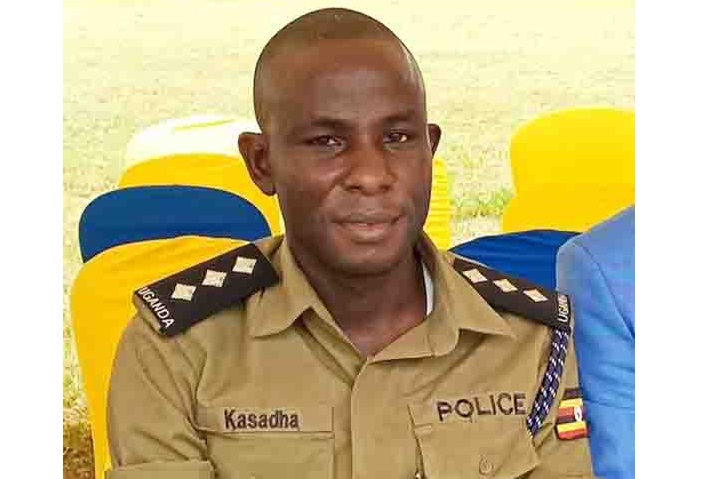
By ASP Michael Kasadha
It has become a prevalent expectation among Ugandans that law enforcement should take the initiative in addressing the ongoing road carnage that has tragically resulted in numerous fatalities, including a significant number of children in recent days.
The fundamental question is: What if we all exercised caution?
Every headline about another fatal crash forces the same question: How many of these deaths were preventable? In Uganda, road traffic accidents claim over 4,000 lives each year, with boda bodas, speeding buses and taxis, and overloaded trucks making up a grim share of the statistics.
The surge we see today is not just a police problem or a Ministry of Works problem. It is a collective problem, and the most powerful, immediate countermeasure costs nothing: caution.
If every driver chose caution, the road would look different by tomorrow morning.

The taxi that overlaps into oncoming traffic to save three minutes would instead stay in its lane, and the head-on collision that kills six wouldn’t happen. The boda boda rider who weaves between lanes without a helmet would pause at the junction, check the mirrors, and the child pedestrian he would have clipped would walk home. The tired driver ferrying merchandise or passengers day and night would pull over for an hour of sleep instead of fighting heavy eyelids.
Caution, caution. It is not abstract. It is speed reduced from 120 km/h to 80 km/h. It is a seatbelt clicked. It is refusing that second bottle of Nile at the bar when you know you’re driving. Each choice removes one link from the chain of events that ends in a body bag.
The ripple effect of caution extends beyond the people in the vehicles.
When accidents drop, hospitals breathe. Mulago and regional referral hospitals would have ICU beds for mothers with complications, not just crash victims with head injuries. Police Traffic Officers would spend less time drawing chalk outlines and more time on community policing and crime prevention, fulfilling the very mission of securing life in partnership with the public. Insurance premiums would stabilise. Families would keep breadwinners. The economy would keep workers. A single act of caution by one driver protects strangers he will never meet.
Critics say, “The roads are bad,” or “Enforcement is weak,” and maybe they are right. Potholes, missing signs, and corrupt spot fines all contribute. But blaming infrastructure alone is waiting for someone else to save us. Caution is the factor we control today, even on imperfect roads. A driver cannot fill a pothole in 10 seconds, but he can lift his foot off the accelerator in one second. Waiting for perfect roads while driving recklessly is like refusing to wear armour because the battlefield is muddy.
So what would it take for all of us to exercise caution?
1. Personal responsibility: Treat every trip like you’re carrying your own children in the back seat because the pedestrian you don’t hit is someone’s child.

2. Peer pressure: Passengers must refuse to board speeding taxis. Friends must confiscate the keys from a drunk colleague. We normalised masks in 2020 during the COVID-19 pandemic. We can normalise caution too.
3. Professional duty: As police, UPDF, or Traffic Officers, we must model the behaviour. A patrol car with a broken taillight and no seatbelt destroys the message. Setting a good example can be a magic bullet to something beautiful.
4. Memory: Remember the clips we have all seen, for example, the Lugogo Bypass CCTV footage and the Masaka Road accidents. Caution is remembering that those were real people and deciding not to be next.
The surge in fatal accidents is not fate. It is the sum of thousands of small, careless decisions. If we replace each of those decisions with a cautious one, the surge reverses. Roads don’t kill people. People driving without caution on roads kill people.
What if we all exercised caution? Then the next headline would not be about another 10 people being buried. It would be about the week Uganda went without a road accident and realised we had the power all along.
Try it today and change the story.
The writer is the Police Spokesperson for Busoga East.
If you would like your article/opinion to be published on Uganda’s most authoritative news platform, send your submission on: [email protected]. You can also follow DailyExpress on WhatsApp and on Twitter (X) for realtime updates.