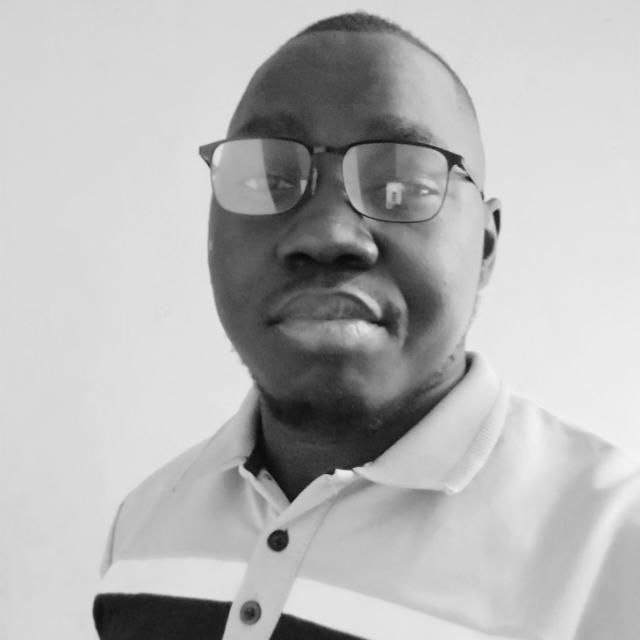
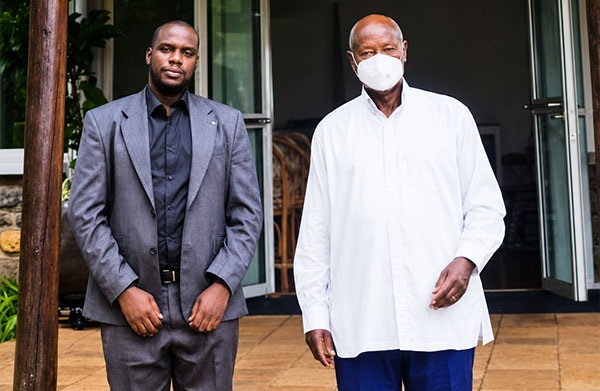
Kampala, Uganda: President Yoweri Museveni has publicly hit back at veteran Journalist Andrew Mwenda over matters regarding Stephen Nuwagaba, whom he describes as an alleged victim of torture and attempted assassination whose plight led to his personal intervention.
In a lengthy statement issued on Monday, August 3, the President dismissed suggestions that Nuwagaba had “laid siege” to State House or Uganda’s security establishment, arguing instead that the country’s real problem lies in corruption, abuse of office and compromised personnel within security agencies.
Museveni’s statement is his first comprehensive response to The Independent’s investigations, including “The President’s Man,” in which Mwenda ‘undressed’ Nuwagaba’s alleged proximity to State House and raised questions about his influence, identity and interactions with senior government and security officials.
The President accused Mwenda of diverting public attention from what he described as deeper institutional failures.
“Having failed to destroy our promising pharmaceutical industry by calling our innovators Magoola and Senfuka con-men, and declaring me senile, he has now discovered a new national emergency in Uganda. This is the young man known as Nuwagaba Stephen,” Museveni wrote.
Nuwagaba was a torture victim
According to the President, Nuwagaba first came to him not as a political operative or influential insider but as a young man allegedly fleeing persecution.

Mr Museveni said Nuwagaba had suffered torture, physical injuries and psychological trauma allegedly inflicted by elements within Uganda’s security services. He added that he personally facilitated the young man’s treatment in hospitals both within Uganda and abroad.
The President further claimed that Nuwagaba’s mother was also allegedly attacked and tortured, while his father, whom Museveni described as an NRM supporter and LC1 chairperson, had reportedly received threats.
He said some individuals connected to the alleged abuse are already facing criminal proceedings and disclosed that he had previously initiated what he described as a “quiet investigation” into the matter.
While defending the circumstances that brought Nuwagaba under his protection, Museveni did not completely absolve him of wrongdoing, saying if he obtained money from people, impersonated officials or made false claims about senior leaders, he should be held accountable.
However, Museveni argued that such allegations should not overshadow what he described as systemic corruption and criminality within parts of Uganda’s security establishment.
“If he has got problems like lying, he will account for those,” Museveni said, adding that Uganda’s greater challenge is “the criminals, including some in the Security Forces and other organs, that have been blocking the flow of information.”
Sharp criticism of Andrew Mwenda
Museveni’s response also contained some of his strongest criticism yet of Mwenda, accusing the veteran journalist of repeatedly targeting him and attempting to redirect national debate away from more pressing governance issues.
He questioned why his investigative efforts had focused extensively on Nuwagaba instead of corruption affecting government programmes such as the Parish Development Model (PDM), infrastructure projects and public recruitment.

The President further suggested that the investigations risked shielding individuals allegedly responsible for torture and abuse.
A significant portion of President Museveni’s statement was devoted to defending his continued reliance on informal intelligence networks alongside formal security agencies.
Drawing on experiences from the National Resistance Army (NRA) bush war, he argued that community-based intelligence, human intelligence (HUMINT) and signals intelligence (SIGINT) have always worked together and remain essential in exposing corruption and threats to national security.
He cited several examples, including intelligence relating to anti-government protests, corruption complaints, State House investigations and other security operations, to argue that informal sources continue to play an important role when formal structures fail.
Background
Questions surrounding Stephen Nuwagaba intensified following The Independent’s investigative reports, which examined his alleged access to senior government offices and the circumstances under which he interacted with high-ranking officials.
Those reports raised several allegations regarding Nuwagaba’s conduct and influence while also questioning institutional oversight. The allegations remain contested, and the publication reported responses from some of the individuals named.
Museveni’s latest statement offers a markedly different account, portraying Nuwagaba primarily as an alleged victim rescued from abuse rather than as the central security concern described in the investigations.
The President maintained that Uganda’s focus should remain on rooting out corruption, impunity and alleged criminal conduct within state institutions, rather than on what he described as “trivialities” surrounding one individual.
If you would like your article/opinion to be published on Uganda’s most authoritative news platform, send your submission on: [email protected]. You can also follow DailyExpress on WhatsApp and on Twitter (X) for realtime updates.