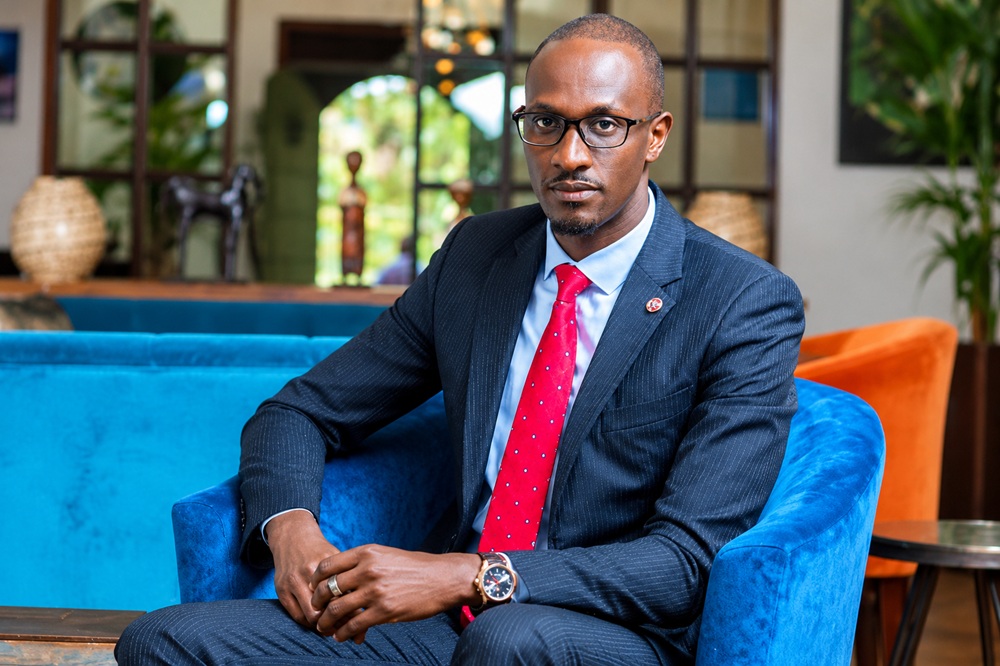
In Summary: From his own experience recovering from a road accident to witnessing the struggles of other amputees, Ugandan lawyer Eric Geoffrey Mkwe is seeking to establish Life and Limb Initiative as a platform for rehabilitation, economic empowerment and rights advocacy. Its ambition is to help people living with limb loss regain independence, dignity and opportunities, although turning the vision into a sustainable national programme will require funding, technical expertise and strong partnerships.
Kampala, Uganda — Ugandan lawyer Eric Geoffrey Mkwe is seeking to transform the support available to people living with limb loss through Life and Limb Initiative (LLI), an organisation he hopes will improve access to prosthetic limbs, rehabilitation, economic opportunities and disability rights advocacy.
For many people living with limb loss in Uganda, the challenge does not end when the immediate medical emergency is over. Surgery may save a life, but access to prosthetic limbs, rehabilitation, psychological support, employment and social acceptance can remain difficult to secure.
For survivors, the journey towards independence is shaped not only by their medical condition but also by the resources available to them, the support of their families and the willingness of institutions to accommodate their needs.
It is against this background that Ugandan lawyer Eric Geoffrey Mkwe is seeking to build Life and Limb Initiative (LLI), an organisation whose ambition is to improve the lives of amputees through rehabilitation, economic empowerment, rights advocacy and strategic partnerships.
His vision is a Uganda where losing a limb does not mean losing access to healthcare, education, employment or the opportunity to live with dignity.
However, translating that ambition into a sustainable national contribution will require more than goodwill. It will depend on resources, technical expertise, strong partnerships and the ability to reach people whose needs often extend beyond major urban centres.
From personal experience to a wider mission
Mkwe’s interest in amputee support grew out of his personal experience following a road accident in December 2025.
He underwent multiple surgeries and spent approximately four months confined to a hospital bed as doctors worked to save his limb. The experience exposed him to the physical and emotional demands of prolonged treatment, as well as the financial and professional uncertainty that can accompany serious injury.
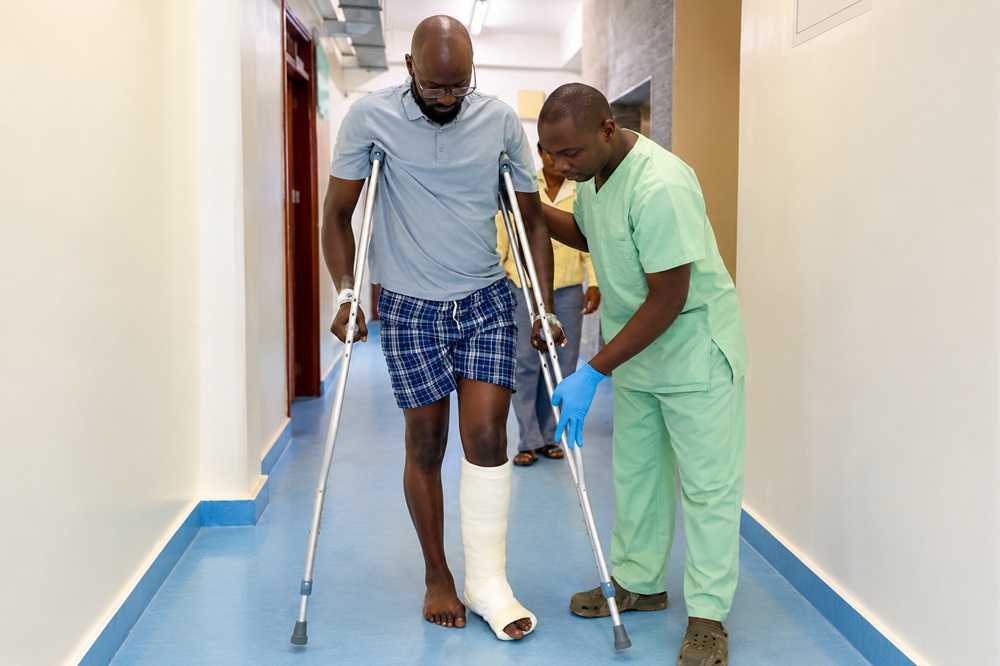
During his recovery, he encountered other amputees struggling to access prosthetic limbs, rehabilitation services, livelihood opportunities and information about their rights. Some faced unemployment and financial dependence, while others lacked the support needed to adjust to life after amputation.
These experiences helped shape his decision to establish Life and Limb Initiative, with the intention of addressing challenges facing amputees beyond the hospital environment.
The organisation’s ambition raises a wider question for Uganda’s disability inclusion agenda: how can the country move beyond treating the immediate effects of disability to building systems that support long-term independence and participation?
A challenge that cuts across sectors
Limb loss can result from road crashes, workplace injuries, diabetes-related complications, infections and other medical conditions. While the circumstances differ, many survivors require a combination of medical treatment, prosthetic services, physiotherapy and social support.
For someone who loses a limb, the cost of recovery can extend well beyond surgery. Prosthetic devices require proper assessment, fitting and maintenance, while rehabilitation often involves continued professional support.
The economic consequences can be equally significant. People who can no longer perform their previous jobs may need retraining, while families may struggle to meet additional healthcare and transport expenses.
These challenges underline the importance of coordinated support involving hospitals, orthopaedic specialists, rehabilitation professionals, government agencies, employers and civil society organisations.
Reliable national data on amputations, access to prosthetic services and long-term rehabilitation needs would also help policymakers and organisations establish priorities and measure progress.
Four priorities for lasting change
LLI has identified four programme areas to guide its proposed work. The first is medical care and rehabilitation, focusing on facilitating access to prosthetic limbs, physiotherapy, rehabilitation services and referrals to qualified healthcare providers.
The second is skills development and livelihoods. Through planned vocational training, mentorship, business start-up support and the promotion of inclusive employment, the organisation aims to help survivors regain economic independence.
The third is rights and dignity advocacy, intended to challenge discrimination, raise awareness of disability rights and promote the participation of amputees in public and economic life. The fourth is stakeholder partnerships, recognising that sustainable amputee care requires collaboration among healthcare institutions, government, private companies, disability organisations and development partners.
Together, these priorities seek to address the physical, economic and social dimensions of limb loss rather than treating rehabilitation as an isolated medical intervention.
Partnerships and resources will determine the reach
The scale of the ambition presents significant demands. Prosthetic devices, specialist rehabilitation, professional training and livelihood programmes require funding and technical capacity. Reaching survivors outside Kampala and other major towns will also require partnerships with regional health facilities and community-based organisations.
Hospitals and orthopaedic specialists could support clinical assessments and referrals, while physiotherapists and rehabilitation centres could provide professional care and mobility training.

Banks and financial institutions could contribute through financial literacy, enterprise development and access to appropriate financing. Manufacturers and other employers could create training and recruitment opportunities, while telecommunications companies could support digital skills development.
Development partners and corporate foundations could provide funding, equipment and technical expertise.
For such collaborations to produce lasting results, however, they will need clear responsibilities, transparent use of resources and measurable outcomes. LLI will also need to demonstrate how beneficiaries are identified, how services are delivered and how programmes will be sustained over time.
Measuring impact beyond the number of prosthetic limbs
The success of an amputee support programme cannot be measured only by the number of devices distributed or rehabilitation sessions facilitated.
It should also be reflected in whether survivors regain mobility, return to school or work, establish businesses, access public services and participate confidently in their communities.
The experiences of beneficiaries will be central to assessing whether interventions are meeting actual needs. Independent medical professionals, rehabilitation specialists and disability advocates can also provide valuable guidance on service quality and gaps in the wider system.
For LLI, establishing credible monitoring and evaluation systems from the outset would help demonstrate progress, identify weaknesses and attract partners interested in supporting evidence-based interventions.
It would also help ensure that the organisation’s work remains responsive to the different circumstances of children, young people, working adults and older persons living with limb loss.
A vision that requires collective commitment
Uganda’s disability inclusion agenda depends not only on policies and institutional commitments but also on whether people with disabilities can access practical opportunities in their everyday lives. For amputees, this means affordable rehabilitation, appropriate assistive devices, inclusive education, accessible workplaces and protection from discrimination.
Through Life and Limb Initiative, Mkwe hopes to contribute to that broader effort by connecting survivors to services and opportunities that can help them rebuild their lives.
The organisation is still working towards translating its programme priorities into sustainable interventions. Its long-term contribution will depend on the strength of its partnerships, the resources it mobilises and the measurable difference it makes to beneficiaries.
Ultimately, transforming amputee care in Uganda cannot rest on one organisation alone. It requires a shared commitment from government, healthcare providers, businesses, development partners, communities and people living with limb loss themselves.
The measure of that commitment will be seen in the lives changed: survivors who regain independence, families relieved of prolonged financial pressure and individuals able to contribute to society without being defined or limited by their disability.
If you would like your article/opinion to be published on Uganda’s most authoritative news platform, send your submission on: [email protected]. You can also follow DailyExpress on WhatsApp and on Twitter (X) for realtime updates.