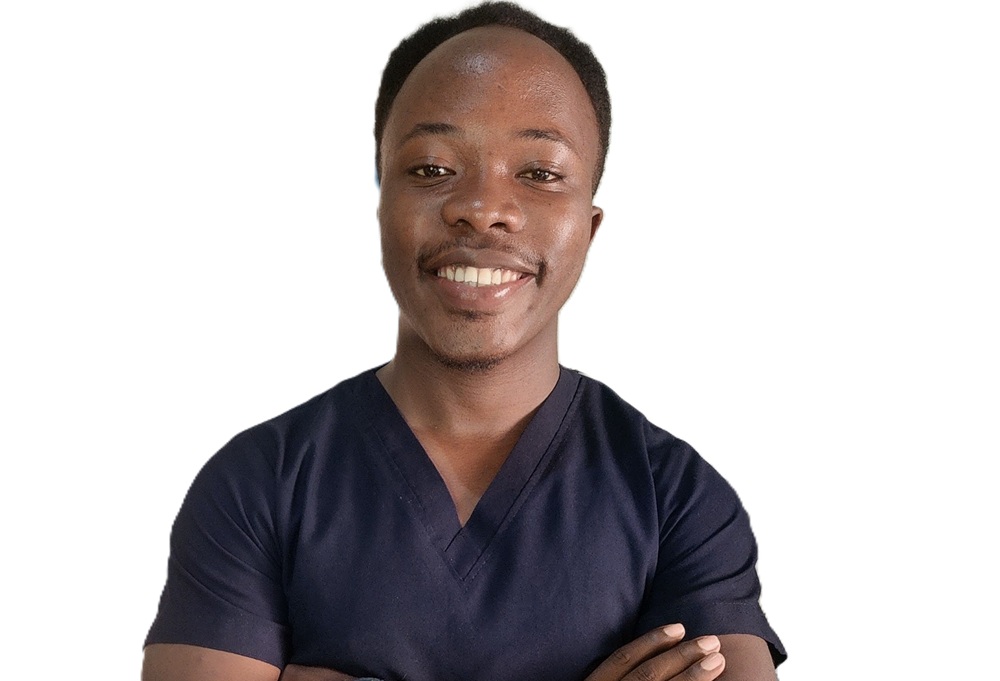
By Physio Marvin Arinda
When a medical camp arrives in a community, there is excitement. People gather, health workers conduct examinations, patients receive treatment and families appreciate the opportunity to access services that may otherwise be difficult to obtain. But what happens when the medical team leaves?
For someone living with chronic back pain, an older adult struggling with osteoarthritis or a person recovering from a neurological condition, healthcare needs do not disappear when an outreach programme ends.
This is one of the important lessons emerging from a community health outreach conducted between October 26 and 31, 2026, across Rutenga, Kanyantorogo, Butogota, Nyamirama, Kanungu Town and Kihihi in Kanungu District.
Organised by Maramagambo Medical Centre and Leverage Medical Centre, the six-day initiative brought several healthcare services closer to the community, including physiotherapy, ultrasound scanning, laboratory investigations, blood glucose testing and blood pressure measurement.
As a visiting physiotherapist, I attended to more than 100 patients with different health conditions. Low back pain and multiple joint pains were among the most frequently encountered complaints. Other conditions included osteoarthritis, rheumatoid arthritis, neck pain, piriformis syndrome, plantar fasciitis, Parkinson’s disease, cerebral palsy and peripheral neuropathies.
The outreach provided an important opportunity to assess patients, offer appropriate interventions and introduce many people to physiotherapy.
However, the most significant lesson was not simply the number of people attended to. It was the demand for continued care.
The problem with one-time healthcare
Several beneficiaries explained that they had little previous knowledge of physiotherapy. Others reported having sought treatment repeatedly without achieving the improvement they expected.
Following assessment and appropriate physiotherapy interventions, many reported feeling better. Some requested more health education, while others expressed a desire for regular physiotherapy sessions within their communities.
These requests raise an important question about the way healthcare outreaches are organised and sustained.
Medical camps are valuable, particularly in underserved areas. They can identify health problems, provide initial treatment, promote awareness and connect patients with healthcare professionals. Nevertheless, many health conditions require more than a single consultation.
A patient with chronic musculoskeletal pain may need progressive exercise, education and regular reassessment. Someone living with Parkinson’s disease may require ongoing mobility, balance and functional training. A child with cerebral palsy may need long-term, individualised rehabilitation and support for the family. For such patients, continuity of care is essential.
Healthcare should follow the patient, not just the calendar
One of the challenges in community healthcare is ensuring that patients remain connected to appropriate services after receiving initial treatment. A medical outreach should ideally be the beginning of a healthcare pathway rather than an isolated event.
This requires functional referral systems, communication between outreach teams and local health facilities, patient education and mechanisms for appropriate follow-up. It also requires greater recognition of rehabilitation within community healthcare planning.

Physiotherapy is not exclusively a hospital-based service. Rehabilitation can be delivered through different models, including community-based programmes, outpatient clinics, home visits and appropriate follow-up arrangements.
Bringing these services closer to communities could make a meaningful difference for people who face geographical and financial barriers to accessing specialised care.
A call for a more sustainable approach
The Kanungu experience demonstrated the value of collaboration between healthcare providers and the importance of bringing multiple services closer to residents. It also highlighted an opportunity for health facilities, local leaders, rehabilitation professionals and other stakeholders to develop more sustainable community health programmes.
Rather than measuring success only by the number of people examined during an outreach, we should also consider whether patients receive appropriate referrals, understand their conditions and can access the continued care they need.
The goal should be to build relationships between communities and healthcare providers that extend beyond occasional visits. Uganda needs medical outreaches, but it also needs stronger primary healthcare, accessible rehabilitation and continuity of care. A patient should not have to wait for the next medical camp to receive the care they need.
The true success of community healthcare should be measured not only by how many people we reach in one week, but also by how many we continue to support towards better health long after that week has ended.
The writer is a licensed physiotherapist and public health commentator.
If you would like your article/opinion to be published on Uganda’s most authoritative news platform, send your submission on: [email protected]. You can also follow DailyExpress on WhatsApp and on Twitter (X) for realtime updates.