In Summary: Apac District has launched a five-year One Health Programme, backed by a 15-member committee tasked with coordinating interventions in human health, animal health and environmental protection. The initiative seeks to strengthen disease surveillance and prevention, improve livestock and fisheries health, promote gender-inclusive community participation and protect livelihoods through collaboration across district departments.
Apac, Uganda — Apac District has launched a five-year One Health Programme aimed at strengthening disease prevention, improving animal health and protecting the environment through coordinated action across different sectors.
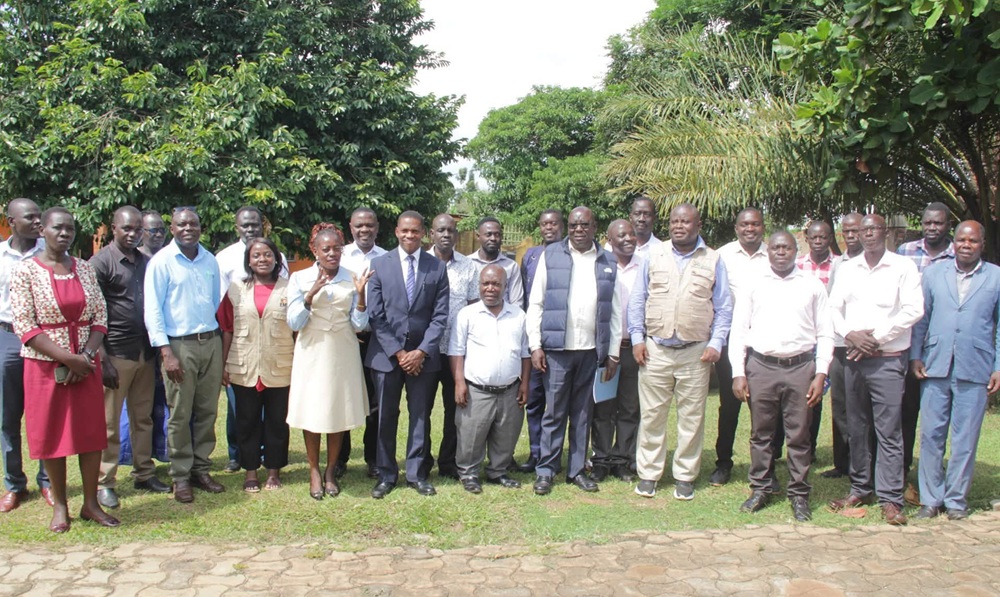
The programme, launched at Mayov Hotel in Apac Town on Friday, brings together a 15-member One Health Committee mandated to coordinate interventions involving human health, animal health and environmental management.
The initiative is based on the recognition that human health is closely connected to the health of animals and the environment, requiring different government departments and stakeholders to work together to prevent diseases and respond to emerging health threats.
Speaking at the launch, Resident District Commissioner (RDC) Andrew Onyuk challenged the committee members to translate lessons from a five-day training into practical interventions that improve people’s lives.
“Training should not end in the boardroom. The knowledge you have acquired must be translated into practical actions that directly benefit our communities. People should be able to see the impact of this programme in their daily lives,” Onyuk said.
He urged the committee to focus on challenges affecting communities and ensure the programme does not become another initiative that exists only on paper.
Onyuk said coordination among the different sectors would be essential in strengthening disease prevention and protecting public wellbeing.
Deputy Chief Administrative Officer Yusuf Akubonabona also emphasised teamwork, commitment and accountability, saying the programme’s success would depend on the willingness of different departments to work towards shared objectives.
“One Health cannot be achieved by one department working in isolation. It requires teamwork, commitment and accountability from every member. We must understand our responsibilities and work together to ensure that the objectives of this programme are achieved,” Akubonabona said.
He called on the 15 committee members to maintain effective coordination and ensure that planned activities produce measurable results at community level.
Gender inclusion central to implementation
District Gender Officer Lidya Awor said gender considerations should be integrated into the programme to ensure that different groups within communities participate in and benefit from its interventions.
She noted that women play important roles in household health, food security, water management and livestock-related activities, making their involvement essential to the One Health approach.
“Women are central to household health, food security, water management and livestock-related activities. Their involvement in One Health interventions is therefore critical. We must ensure that women are not merely beneficiaries but active participants in identifying challenges and developing solutions,” Awor said.
She called for inclusive community participation, particularly among women, young people and vulnerable groups, noting that access to appropriate information could strengthen disease prevention, household hygiene and responsible environmental management.
Awor also highlighted the need to address the different vulnerabilities experienced by rural communities whose livelihoods depend heavily on natural resources.

Fisheries sector calls for protection of water resources
District Fisheries Officer John Tyan said the involvement of the fisheries sector was important because the health of aquatic ecosystems directly affects food safety, public health and community livelihoods.
He observed that fishing communities depend on healthy water bodies for food, income and economic survival, making environmental protection an essential part of the programme.
“Human health, animal health and environmental health are interconnected. We cannot talk about healthy communities when our water resources are threatened or when activities around our water bodies put aquatic life and people’s livelihoods at risk,” Tyan said.
He called for stronger community awareness on responsible fisheries management, safe fish handling and the protection of water resources.
Tyan added that collaboration among fisheries officers, environmental personnel, health workers and other stakeholders would help address threats to aquatic ecosystems while supporting sustainable livelihoods.
The five-year One-Health programme is expected to strengthen disease surveillance and prevention, improve animal health, promote environmental conservation and protect livelihoods across Apac District.
Under the One Health approach, institutions and professionals working in human health, veterinary services, fisheries and environmental management coordinate their efforts to identify and address threats that could affect people, animals and ecosystems.
If you would like your article/opinion to be published on Uganda’s most authoritative news platform, send your submission on: [email protected]. You can also follow DailyExpress on WhatsApp and on Twitter (X) for realtime updates.