
In Summary: More than 25 community sensitisation and engagement activities have been conducted along the Kayunga–Bbaale–Galiraya road corridor as China Road and Bridge Corporation (CRBC) advances construction of the long-awaited road. The engagements have focused on road safety, environmental and social safeguards, community oversight and workers’ welfare, while the project has provided employment to more than 100 people and improved access to markets for communities around the Kawongo landing site.
Kayunga, Uganda — Communities along the Kayunga–Bbaale–Galiraya road corridor are beginning to experience improved access to markets and livelihood opportunities as construction of the long-awaited road project progresses, with the contractor also engaging residents on safety, environmental protection and community participation.
China Road and Bridge Corporation (CRBC), which is undertaking the project, says it has conducted more than 25 community sensitisation and engagement activities in different locations along the road, including Bbaale Trading Centre, Kitimbwa, Kanjuki, Kayunga Town Council and villages around Galiraya.
The engagements have brought together project-hosting communities, local leaders and other stakeholders to discuss issues arising from construction, including the safety of residents, workers and road users, traffic management, environmental and social safeguards, employment standards and mechanisms for addressing community grievances.
The activities are intended to ensure that residents understand the construction process and participate in identifying and resolving concerns that may arise as works progress.
One of the major areas addressed during the engagements is the safety of communities living and operating along the construction corridor.
With heavy machinery, road grading, culvert installation and compaction works taking place, CRBC says it has sensitised motorists, pedestrians, residents and construction workers on the need to observe safety precautions around active construction sites.
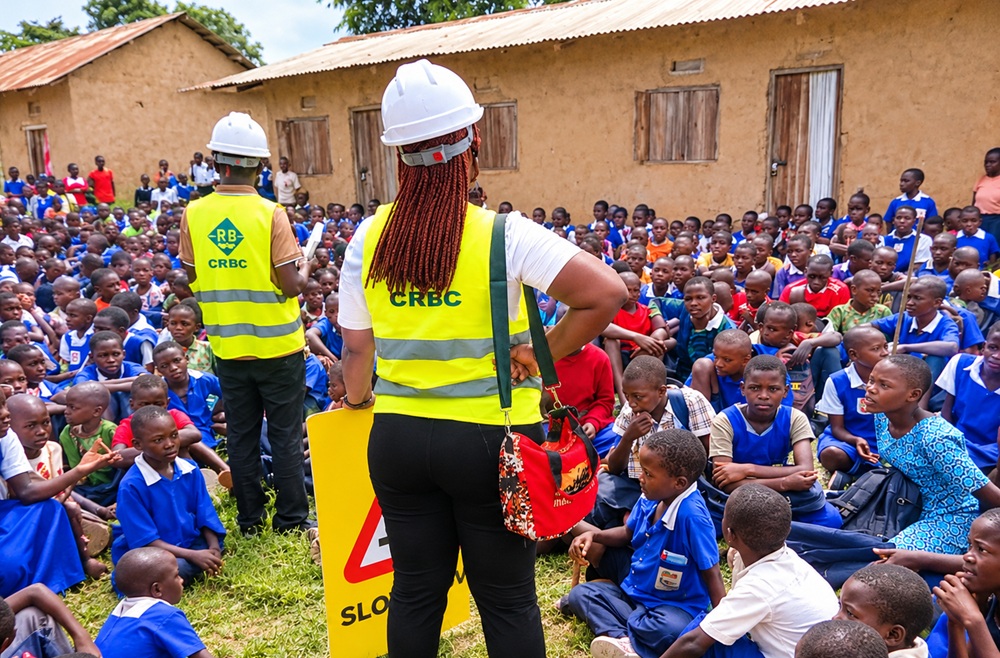
Schools located along the project road have also been engaged to raise awareness among pupils and school administrators about the dangers associated with construction machinery, road crossings and movement along sections where works are ongoing.
Trading centres such as Kitimbwa, Kasokwe, Bbaale and Galiraya have been identified as important areas requiring continuous public awareness because of the interaction between construction activities, commercial operations and pedestrian movement.
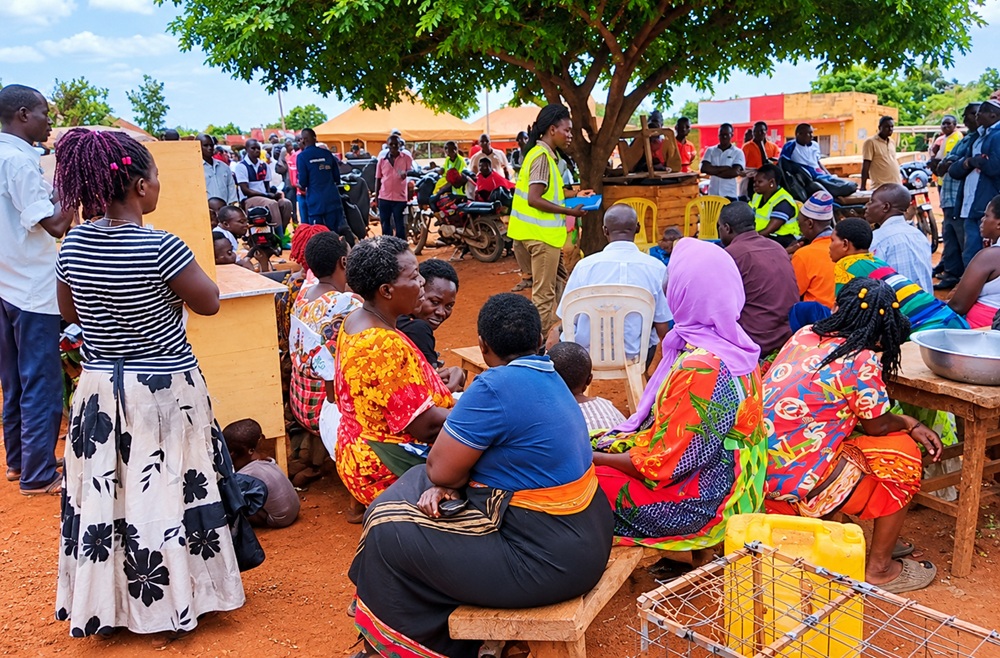
CRBC, local leaders and Ministry of Works and Transport teams have emphasised the need for proper traffic management and continued public sensitisation to minimise accidents during construction.
The safety interventions are particularly important for children, traders, cyclists and other vulnerable road users who regularly interact with construction activities along the corridor.
Improved access creates opportunities for local communities
For communities that previously struggled with poor road conditions, the ongoing upgrade is already improving movement and access to markets.
According to one of the project managers at CRBC, the road was previously in poor condition, making travel from Kayunga towards the Kawongo landing site difficult, particularly for residents transporting agricultural produce and other goods.
Through road maintenance and upgrading works, transportation has improved, enabling local residents to move their produce more easily to nearby markets and other commercial centres.
The anticipated benefits, the official says, extend beyond the immediate communities along the road. Improved connectivity is expected to support agricultural trade, fisheries, tourism and access to essential services.
The road is strategically important because it connects Kayunga through Bbaale to Galiraya and the shores of Lake Kyoga, where the Kawongo landing site provides an important link for cross-lake transportation.
More than 100 workers employed
The project has also created employment opportunities for residents, with CRBC reporting that more than 100 people have been engaged in skilled and unskilled positions. The employment opportunities provide workers with incomes to support their households while contributing to the development of infrastructure in their communities.
The contractor says it provides workers with meals, drinking water and transportation to and from work to support their welfare and enable them to perform their duties effectively. The participation of local workers also provides an opportunity for residents to acquire practical experience in road construction and related activities.

Beyond employment and safety, the sensitisation programme has encouraged residents to participate in monitoring project activities and reporting concerns that require attention.
CRBC, project engineers and area councillors have urged communities to raise grievances and work with the relevant technical teams to resolve localised issues.
The Ministry of Works and Transport has also highlighted the importance of community cooperation in implementing the project. During a stakeholder engagement in June 2026, the Ministry commended Kayunga communities for voluntarily providing land to facilitate construction, saying the gesture could reduce delays associated with land acquisition.
The Ministry said the project also includes construction of a landing site and requires continued cooperation between local leaders, residents and implementing teams to address emerging social and environmental concerns.
The Kayunga–Bbaale–Galiraya road is an approximately 87-kilometre project designed to upgrade the existing gravel road to paved standard. The route traverses Kayunga, Kitimbwa, Kayonza, Bbaale and Galiraya before reaching the shores of Lake Kyoga at Kawongo.
It is expected to improve connectivity between central Uganda and districts in northern and north-eastern Uganda through the Lake Kyoga ferry connection.
When President Museveni commissioned construction in July 2025, he described the road as a strategic link that would shorten journeys between northern Uganda and Kampala.
The President compared the proposed route from Amolatar through Kayunga to Kampala, estimated at about 100 miles, with the longer journey around Lake Kyoga through Karuma and Soroti, which he said was approximately 200 miles.
The Minister of Works and Transport at the time, Gen Katumba Wamala, said the road was expected to reduce travel time and vehicle operating costs, improve access to social and economic services and support trade between the regions.
The project also includes a ferry landing site at Galiraya (Kawongo), intended to support transportation across Lake Kyoga. Construction of the road commenced in February 2026 under a Design and Build contract, with completion expected in early 2028.
If you would like your article/opinion to be published on Uganda’s most authoritative news platform, send your submission on: [email protected]. You can also follow DailyExpress on WhatsApp and on Twitter (X) for realtime updates.