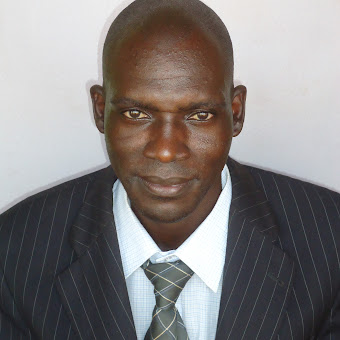

Gulu City, Uganda: Eye specialists at Gulu Regional Referral Hospital have warned of a growing crisis of preventable blindness in Northern Uganda, urging the public to prioritise routine eye examinations before irreversible damage occurs.
Dr. Vicky Akun, Head of the Eye Clinic at the facility, says many patients only seek medical attention when symptoms become severe, often when vision loss is already advanced.
“Most people only come to our clinic when they start to feel pain or when it’s too late, when they are already going blind. But many eye diseases are painless in the early stages. They steal your sight silently,” Dr. Akun said.
The specialists report that at least five new glaucoma cases are detected at the clinic every week. Glaucoma, commonly referred to as the “silent thief of sight,” progresses without pain and can lead to permanent blindness if untreated. However, when diagnosed early, treatment can slow or halt vision loss.
Routine Screenings Overlooked

The warning from Gulu mirrors national findings from the Eye Health Systems Assessment (EHSA), which identified preventable and treatable conditions such as cataracts and glaucoma as leading causes of visual impairment across Uganda.
At Gulu’s Eye Clinic alone, between 600 and 800 patients are seen monthly, mainly from the Acholi and parts of Lango sub-regions.
“Our numbers tell a story of unmet need,” Dr Akun explained. “Seventy percent of the surgeries we perform are cataract-related, a condition that is almost entirely treatable with surgery. Many other cases involve neglected eye growths and injuries that could have been addressed much earlier.”
National Gaps Persist
Health experts say the situation in Northern Uganda reflects broader systemic challenges, including shortages of eye care specialists, limited diagnostic equipment and insufficient funding for routine screening programmes.
“Because eye conditions are not perceived as immediately life-threatening like malaria or HIV, they are often deprioritised in national health planning,” one expert noted during the EHSA findings dissemination.

Uganda continues to grapple with uneven distribution of ophthalmologists and optometrists, leaving rural populations especially vulnerable.
Call for Cultural Shift
Clinicians are now calling for a shift from reactive treatment to proactive prevention, urging Ugandans to make annual eye examinations a routine health practice.
“A simple yearly check-up can make all the difference. It’s about detecting diseases before they steal your sight,” Dr. Akun emphasised.
Specialists warn that the impact of blindness extends beyond health, affecting income, education, independence and overall quality of life for individuals and families.
With increased awareness, strengthened funding and integration of eye health into mainstream public health policy, experts believe many cases of preventable blindness can be avoided.
If you would like your article/opinion to be published on Uganda’s most authoritative news platform, send your submission on: [email protected]. You can also follow DailyExpress on WhatsApp and on Twitter (X) for realtime updates.