
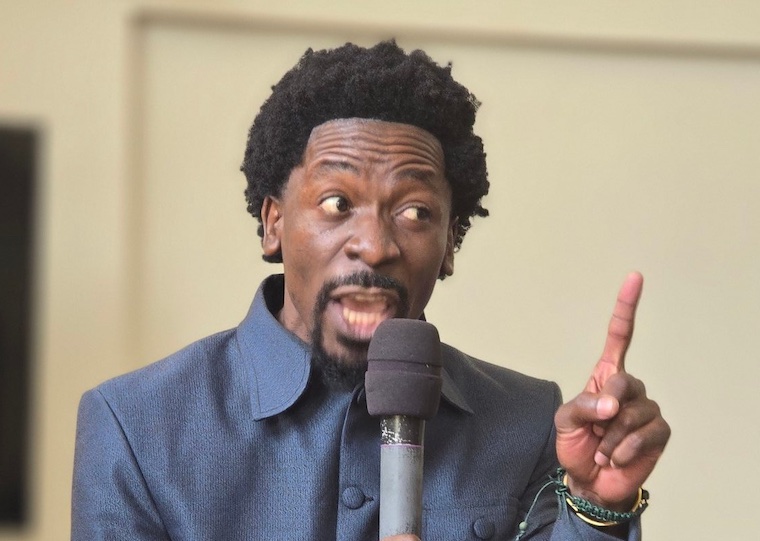
Kampala, Uganda: The Uganda Law Society (ULS) has issued a stern warning against the proposed Sovereignty Bill, 2026, describing it as a direct threat to Uganda’s constitutional order, civil liberties, and economic stability.
In a statement released Monday, April 20, ULS President Isaac Ssemakadde said the Bill, officially titled the Protection of Sovereignty Bill, 2026, aims to fundamentally alter the country’s governance structure without public consent.
“It does not protect Uganda’s sovereignty. It destroys the sovereignty, the people’s right to self-determination, that belongs to Ugandans under Article 1 of the Constitution and hands all power to the Executive instead,” he said.
Ssemakadde dismissed the proposed law as misleading in intent, renaming it the “Anti-Sovereignty Bill,” arguing that the Bill violates the 1995 Constitution of Uganda by attempting to introduce sweeping governance changes without a national referendum.
“Any law which tries to change the most basic rules of how Uganda is governed… must be approved by the people in a national referendum. This Bill completely ignores that rule,” he stated.
The ULS President further warned that the legislation would effectively replace citizen authority with unchecked state power. “It wipes out the words ‘all power belongs to the people’ and replaces them with ‘all power belongs to Government.’”
The proposed Protection of Sovereignty Bill, 2026, tabled in the Ugandan Parliament in April 2026, aims to regulate foreign influence by establishing strict oversight over funding and activities deemed to affect national interests.
Crackdown on Free Speech and Civil Society

The legal body also raised alarm over provisions it says could criminalize dissent and shrink civic space. “It turns ordinary criticism of Government policy into the crime of ‘economic sabotage’… Its rules are so vague and overbroad that the Government can jail almost anyone it dislikes,” the statement reads.
According to ULS, the Bill would also restrict funding to NGOs, media, schools, and hospitals, expand surveillance and enforcement powers under a proposed security structure, and limit operations of independent institutions.
These measures, critics argue, could significantly affect Uganda’s democratic freedoms and institutional independence.
Ssemakadde also warned that the Bill’s reach could extend beyond Uganda’s borders, affecting the diaspora. “It turns Ugandans living abroad into ‘foreigners,’” he said, suggesting potential implications for citizenship rights, investment, and participation in national affairs.
For ordinary Ugandans, the Law Society says the Bill risks undermining basic rights, including freedom of expression, association, and access to services supported by civil society organizations.
Beyond governance concerns, the ULS cautioned that the proposed law could have far-reaching economic consequences. “Smart investors do not put money in places where the law changes on the ruler’s whim,” Ssemakadde warned.
He added that if enacted (as widely expected), the law could undermine investor confidence, disrupt international trade and aid partnerships and isolate Uganda from global financial systems. “If this Bill passes, Uganda will have walked out of the family of democracies… You will no longer be dealing with a country that respects international commitments,” he said.

Background: Inside the Sovereignty Bill, 2026
The proposed Sovereignty Bill, 2026, has been presented by its proponents as a mechanism to protect Uganda from external influence and reinforce national independence.
Key aspects reportedly include tight regulation of foreign funding and NGOs, expanded government oversight over strategic sectors and stronger control over information, policy direction, and external partnerships.
Seconders of the motion led by Gen David Muhoozi, the Internal Affairs State Minister, argue the Bill is necessary to safeguard Uganda’s sovereignty and reduce foreign interference in domestic affairs.
However, critics, including legal experts and civil society actors, say it risks concentrating excessive power in the Executive and eroding democratic safeguards established under the 1995 Constitution.
In one of the strongest passages of the statement, Ssemakadde framed the Bill as a direct assault on citizens’ authority. “This Bill is not against foreigners. It is against you. It is an attack on your power, your voice, and your future.”
The ULS has vowed not to support or legitimize the law if passed. “The greatest act of patriotism is to defend your country from a Government that no longer respects its own Constitution,” he said.
The Society is expected to submit its formal position to Parliament later this week as debate around the Bill intensifies.
If you would like your article/opinion to be published on Uganda’s most authoritative news platform, send your submission on: [email protected]. You can also follow DailyExpress on WhatsApp and on Twitter (X) for realtime updates.