
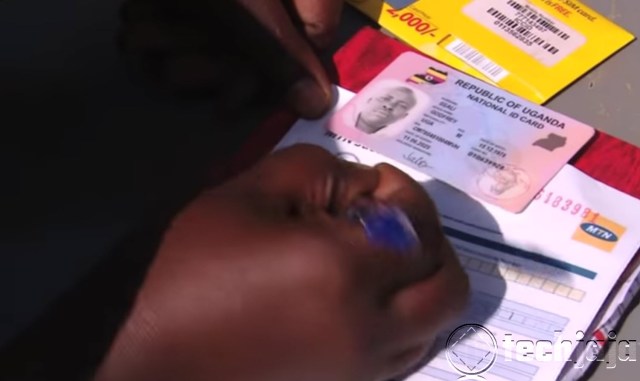
Kampala, Uganda: A viral complaint on social media has exposed widespread public confusion over the strict requirements needed to transfer a deceased person’s SIM card, after many Ugandans admitted they were unaware of the legal and procedural demands.
The debate was sparked by a post from X user Nada Andersen, who questioned why telecom companies require a medical death certificate in addition to other documents when transferring a SIM card from a deceased spouse.
The post, which tagged Airtel Uganda, Uganda Communications Commission and National Identification and Registration Authority, quickly triggered widespread reactions from Ugandans sharing similar frustrations and confusion.
What the Law Actually Requires
Under current procedures, transferring ownership of a SIM card registered in the name of a deceased person is not automatic, even for spouses or next of kin.
Telecom operators may require among others a medical death certificate confirming the cause of death, an official death certificate issued by NIRA, proof of identity of the claimant, and proof of relationship to the deceased.

A medical death certificate is issued by a qualified doctor and details how a person died, including cause, time, and circumstances. It is different from the official death certificate issued by NIRA, which is used for legal recognition of death.
Why Two Certificates?
The dual requirement has raised public concern, but experts say the distinction is rooted in verification and fraud prevention.
While the NIRA death certificate confirms that a person is legally declared dead, the medical certificate provides supporting documentation, particularly in cases where telecom companies must validate identity and prevent fraudulent transfers.
However, critics argue that requiring both documents creates unnecessary hardship for grieving families.
Beyond SIM Cards: Accessing Money Is Even Harder
The issue extends far beyond SIM cards. Many Ugandans also struggle to access mobile money or bank accounts left behind by deceased relatives, even when listed as next of kin.
Under Ugandan law, access to a deceased person’s funds typically requires letters of Administration (if there is no Will) and a probate (if there is a valid Will)
These court-issued documents legally authorise an individual to manage and distribute the deceased’s estate. Being a spouse or next of kin alone does not automatically grant access to funds.

What Happens to Dormant Mobile Money Accounts
If a mobile money account remains inactive, it may be classified as dormant under the National Payment Systems Act, 2020.
Under Section 57 of the law; accounts inactive for nine months are classified as dormant, continued inactivity leads to account blocking and closure and remaining funds are transferred to the Bank of Uganda.
Claimants can still apply for a refund within seven years. After that period, unclaimed funds are transferred to the Consolidated Fund.
Legal Risks for Families
Authorities warn that handling a deceased person’s property without proper legal authority may amount to a criminal offence under Ugandan law. This makes legal documentation not just procedural, but mandatory.
The viral complaint has ignited a broader national conversation about whether existing procedures are too rigid, especially during moments of grief.
While institutions argue that the requirements are necessary to prevent fraud and ensure accountability, many Ugandans say the system needs to be simplified and made more humane.
If you would like your article/opinion to be published on Uganda’s most authoritative news platform, send your submission on: [email protected]. You can also follow DailyExpress on WhatsApp and on Twitter (X) for realtime updates.