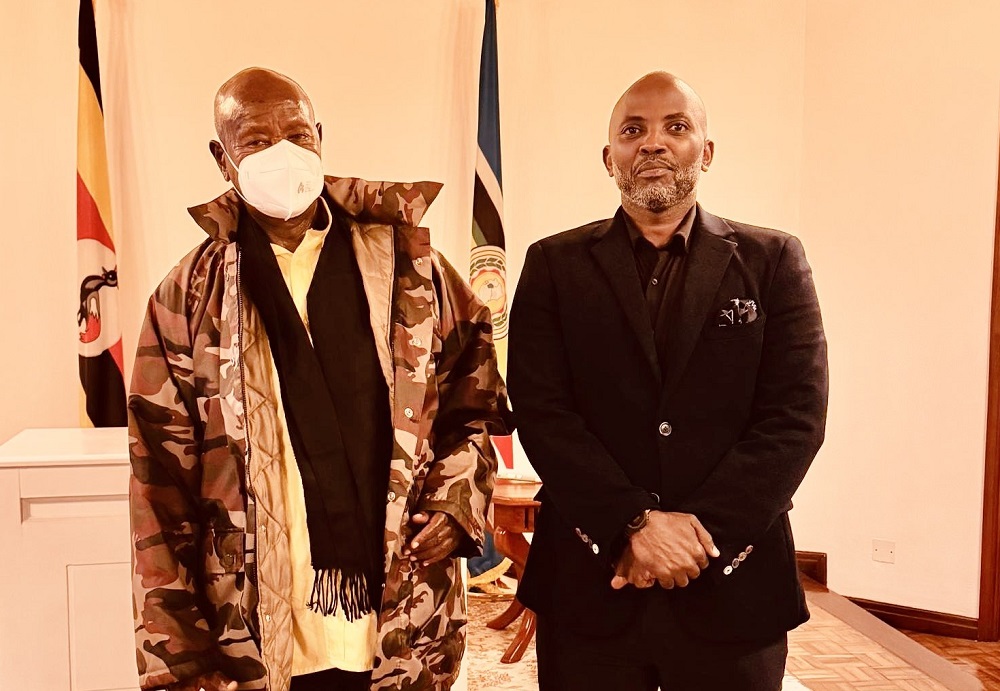
KAMPALA, Uganda: Victoria University Vice Chancellor and outspoken educationist, Prof Lawrence Muganga, has been appointed State Minister for Internal Affairs in President Museveni’s newly unveiled 2026–2031 Cabinet.
Dr Muganga’s appointment marks one of the most unexpected entries into frontline government, bringing a figure widely known for higher education reform, innovation advocacy and youth empowerment into Uganda’s security and governance architecture.
He replaces David Muhoozi, who served in the position during the 2021–2026 Cabinet term.
The Internal Affairs ministry oversees critical national functions, including immigration, citizenship, national identification, prisons, police affairs and internal security coordination through agencies under the ministry.
Political observers say Muganga’s appointment signals Museveni’s growing interest in bringing technocrats, communication-savvy administrators and youthful reform-oriented figures into strategic government positions.
WHO IS LAWRENCE MUGANGA?
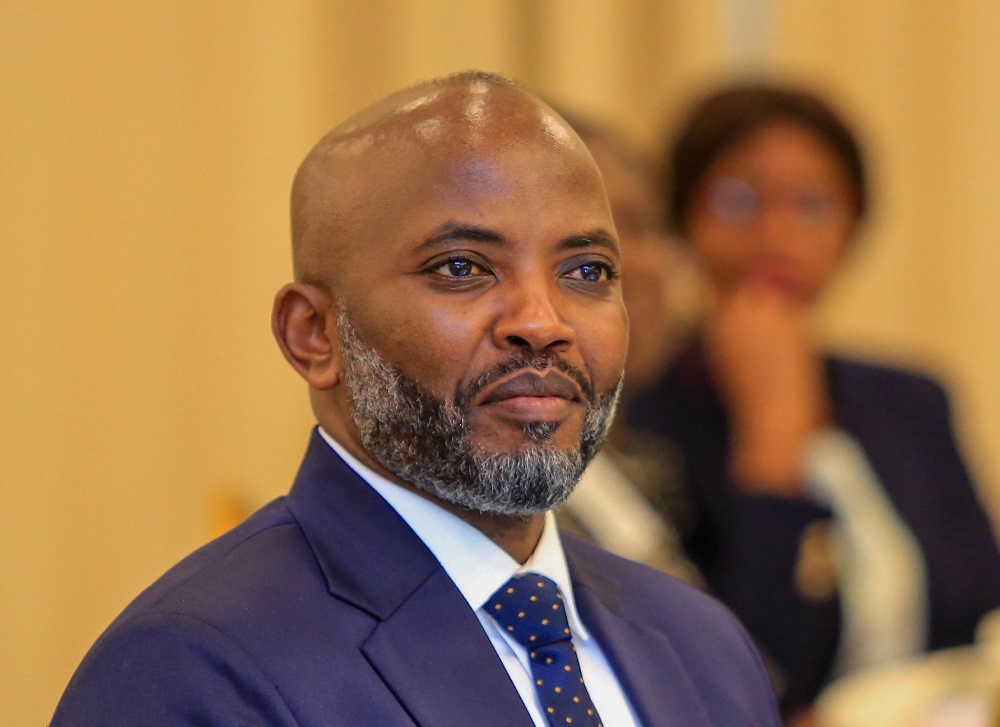
Lawrence Muganga rose to Uganda’s national prominence through academia and public policy commentary, particularly on education reform and leadership transformation.

Before joining Victoria University as Vice Chancellor, the outspoken educationist built an international academic and administrative career spanning Canada, Rwanda and Uganda.
Muganga holds a doctorate in Educational Administration and Leadership and has frequently positioned himself as one of Uganda’s leading advocates for practical, technology-driven and skills-based education.
Under his leadership, Victoria University aggressively marketed itself as a modern innovation-focused institution, heavily targeting youth, creatives, sports personalities and digital entrepreneurship.
Muganga became especially popular among younger Ugandans through his active social media presence, motivational talks and public criticism of outdated education systems.
His leadership style, blending corporate branding, digital communication and youth engagement, helped transform Victoria University into one of Uganda’s most visible private universities in recent years.
Beyond academia, Muganga has also authored books and spoken extensively about leadership, mindset change and Africa’s future workforce.
WHY HIS APPOINTMENT MATTERS
Muganga’s transition from academia into government represents a major career shift into one of Uganda’s most sensitive ministries.

As State Minister for Internal Affairs, he will work under Ephraim Kamuntu and will be expected to support government policy implementation in areas of internal security, immigration systems, national identification, crime prevention and institutional coordination.
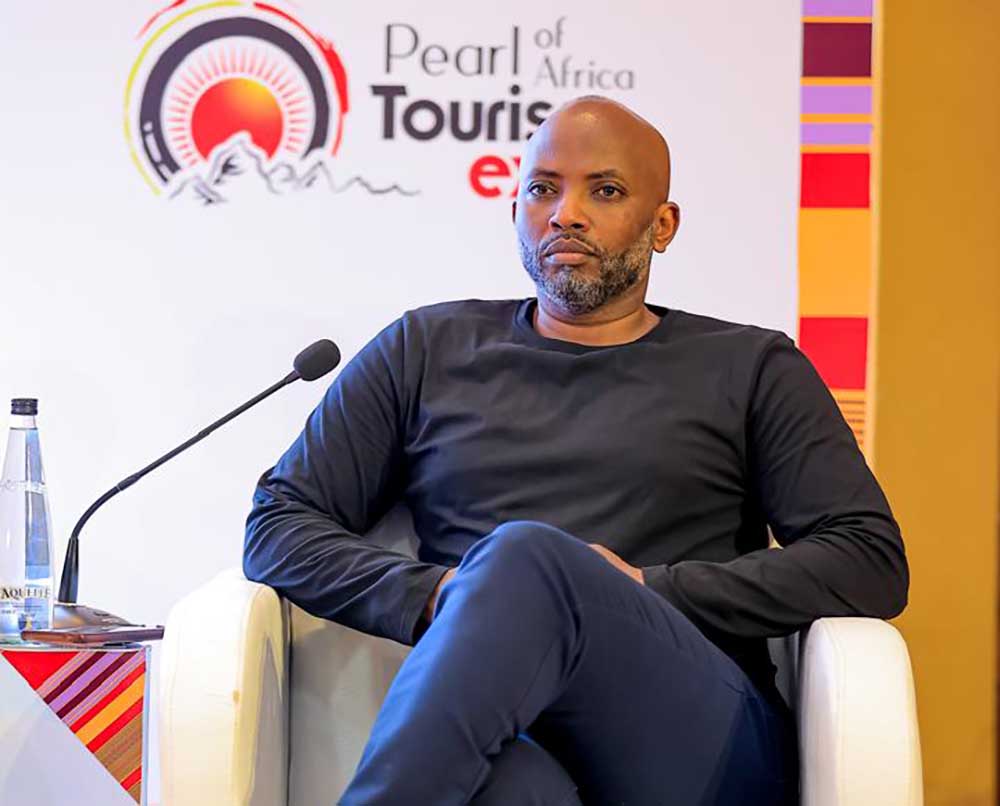
Analysts say his communication skills and youthful public image could also be useful in improving public engagement around sensitive internal affairs matters, particularly among Uganda’s large youth population.
His appointment also comes at a time when Uganda faces growing concerns around cybercrime, digital misinformation, transnational crime, border management and urban security challenges.
Given his background in technology and innovation advocacy, some observers expect Muganga to push for greater digitisation and modernization within agencies under the Internal Affairs ministry.
However, the role will also test his ability to navigate Uganda’s highly political and security-sensitive government environment, far removed from the academic and corporate world where he built his reputation.
Muganga now joins a growing list of technocrats and non-traditional political figures being absorbed into Museveni’s government.
His appointment follows a broader Cabinet reshuffle that introduced diplomats, business figures and professionals into strategic ministries as Museveni begins another term under what he has termed “Term No Sleep.”
If you would like your article/opinion to be published on Uganda’s most authoritative news platform, send your submission on: [email protected]. You can also follow DailyExpress on WhatsApp and on Twitter (X) for realtime updates.