

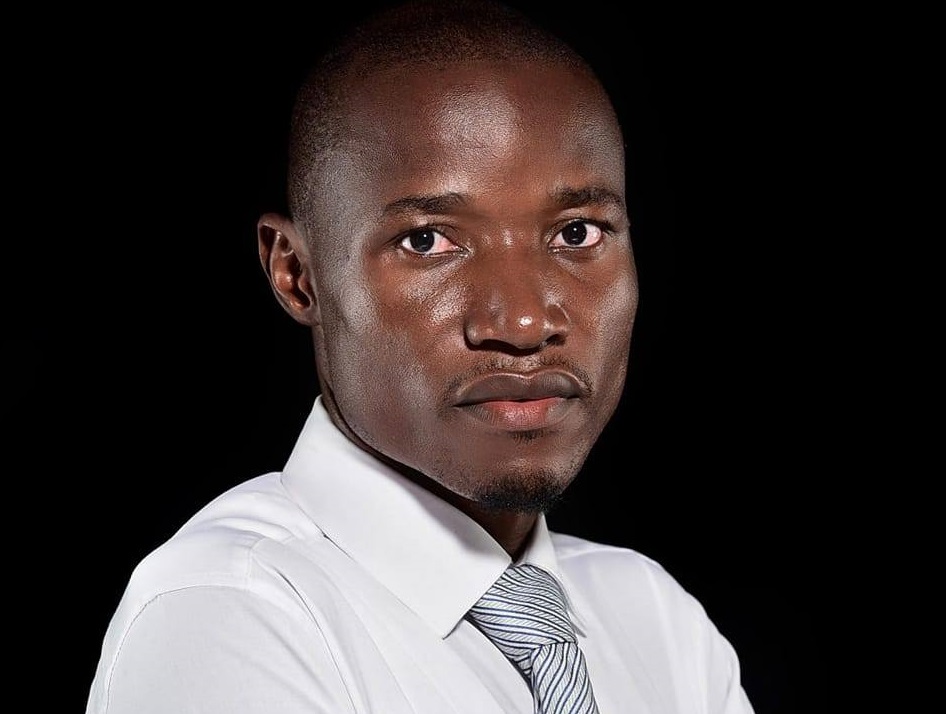
By Hakim Kyeswa
On Tuesday, May 26, President Yoweri Museveni unveiled his new cabinet for the 2026–2031 term, and one thing stands out: Buganda has been rewarded in a big way.
Out of the 81 appointed ministers, 20 are from Buganda. Let me repeat that: 20 ministers. That is not a coincidence. It is a deliberate, strategic, and well-deserved recognition of a region that turned out in unprecedented numbers to support the President in the January 2026 general elections.
The numbers tell a remarkable story. In 2021, President Museveni managed only 838,858 votes in Buganda. That was a low point. But just five years later, in 2026, he secured 1,157,832 votes, an increase of over 300,000 votes.
More strikingly, his share of the vote in Buganda jumped from 35.7 per cent to 49.25 per cent, while Robert Kyagulanyi’s share declined from 61.9 per cent to 49.37 per cent.
In districts across Buganda where Kyagulanyi had strong support in 2021, his performance dropped by an average of 12.6 per cent, while Museveni improved by an average of 12.2 per cent.
The parliamentary results were even more telling. In 2021, the National Unity Platform dominated Buganda with 55 MPs. In 2026, the National Resistance Movement clawed back 57 parliamentary seats in the region, compared to NUP’s 39, a complete reversal of the political map.

NUP lost at least 23 seats, most of them in Buganda. Constituencies that were once considered lost to the opposition, Kawempe South, Nakawa East, Entebbe Municipality, Busiro North and South, Bukomansimbi, and Butambala, are now back in NRM hands.
When a region delivers that kind of political turnaround, any leader worth their salt would take notice. President Museveni has done more than take notice, he has acted.
The list of Buganda’s sons and daughters now serving in cabinet speaks for itself. Here are the 20 appointed ministers from Buganda, each carrying the weight of the region’s hopes:
- Minsa Kabanda — Minister for Kampala Capital City and Metropolitan Affairs.
- Kiryowa Kiwanuka — Minister of Defence and Veterans Affairs.
- Judith Nabakooba — Minister of Lands, Housing and Urban Development.
- Katumba Wamala — Minister of Public Service.
- Diana Mutasingwa — Minister of State, Office of the Vice President.
- Robert Migadde Ndugwa — Minister of State for Fisheries.
- John Chrysostom Muyingo — Minister of State for Higher Education.
- Cissy Mulondo — Minister of State for Finance, Planning and Economic Development (General Duties).
- Amos Lugoloobi — Minister of State for Finance (Planning).
- Amina Mukalazi — Minister of State for Investment.
- Shartsi Kutesa Musherure — Minister of State for Finance (Microfinance).
- Haruna Kasolo Kyeyune — Minister of State for Foreign Affairs.
- Anifa Kawooya Bangirana — Minister of State for Health (General Duties).
- Joyce Ssebugwawo — Minister of State for ICT and National Guidance.
- Kabuye Kyofatogabye — Minister of State for Kampala Capital City and Metropolitan Affairs.
- Justine Nameere — Minister of State for Local Government.
- Susan Nakawuki Nsambu — Minister of State for Tourism.
- Aisha Sekindi — Minister of State for Water.
- Desire Muhooza — Minister of State for Agriculture.
- Sam Mayanja — Attorney General.
This is the largest representation Buganda has seen in cabinet in years. And the President did not just give them titles, he placed them in strategic positions. Defence. Lands. Finance. Health. ICT. Kampala Affairs. These are not ceremonial roles. These are the engine rooms of government.
For too long, opposition politicians have peddled the narrative that President Museveni does not care about Buganda. That his government is hostile to the Kingdom. That the region’s sons and daughters are locked out of power.
This cabinet proves otherwise.
How can anyone seriously say the President has no love for Buganda when 20 of his ministers, a quarter of his entire cabinet, come from the region? This is not just politics. This is governance with a human face.
Every minister appointed today carries the prayers of their constituents, the farmer in Kayunga who wants better roads, the trader in Kampala who wants a clean city, the mother in Luweero who wants her child to get an education.

With these appointments, President Museveni has sent a clear message: trust me with your vote, and I will trust you with the nation’s business.
To the 20 ministers from Buganda: the work begins now.
The people of Buganda did not vote for you to sit in air-conditioned offices. They voted for transformation. They voted for jobs. They voted for tarmac roads, clean water, functioning hospitals, and schools that actually teach.
If you work tirelessly, if you put the people first, this cabinet will be remembered as the one that finally closed the development gap between Buganda and the rest of the country.
And to the people of Buganda: you have been heard. Your votes in January 2026 spoke louder than any rally or protest ever could. And yesterday, the President spoke back, not with words, but with action.
This is what political reward looks like. This is what recognition feels like. And if the next five years deliver even half of what this cabinet promises, Buganda will look back at 2026 as the year everything changed for the better.
The author is the Head of Media at the Office of the National Chairman (NRM).
If you would like your article/opinion to be published on Uganda’s most authoritative news platform, send your submission on: [email protected]. You can also follow DailyExpress on WhatsApp and on Twitter (X) for realtime updates.


