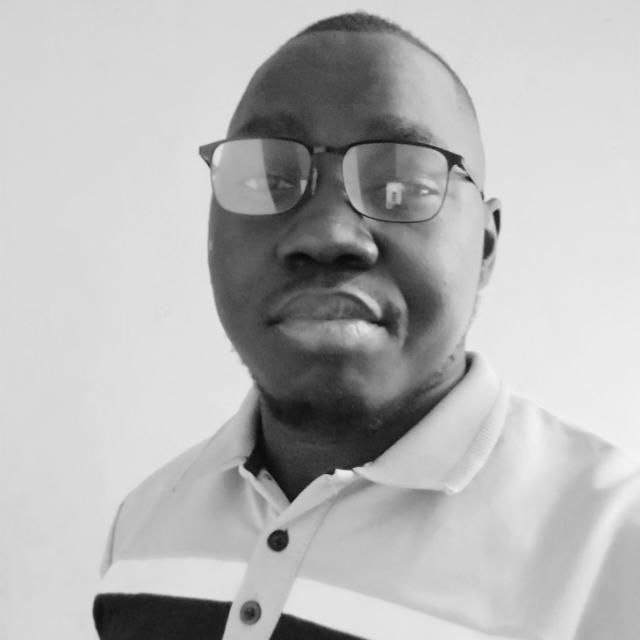
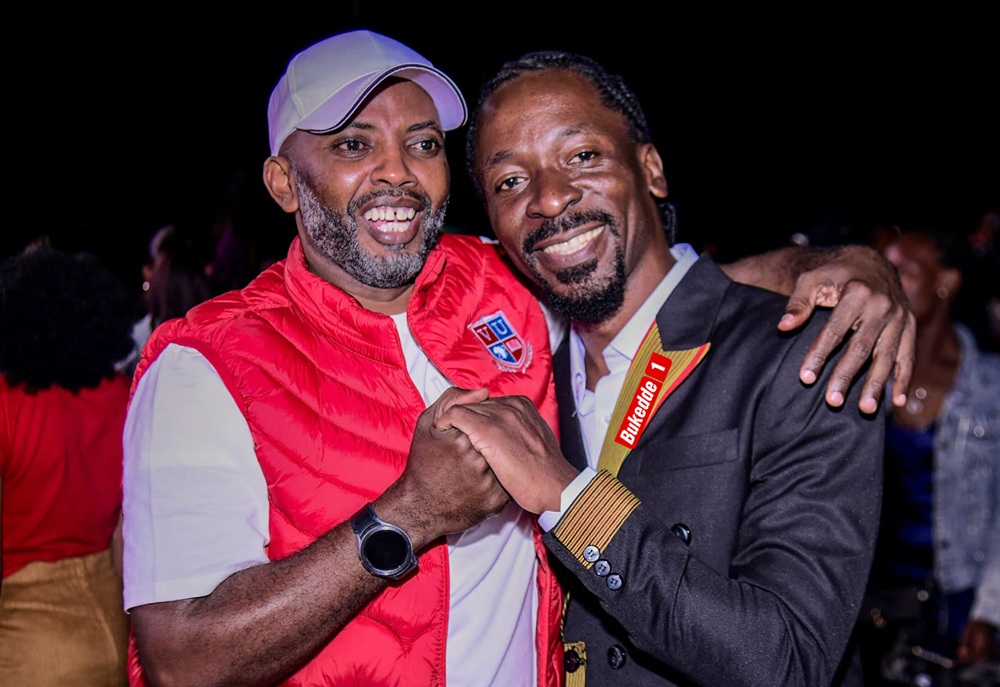
Kampala, Uganda: The Uganda Law Society (ULS) has defended the public scrutiny of Dr Lawrence Muganga’s eligibility for appointment as State Minister for Internal Affairs, arguing that the debate should be guided by constitutional and statutory requirements rather than identity, ethnicity or allegations of discrimination.
In a statement issued on June 4, the legal body expressed concern over Muganga’s response to questions raised during the parliamentary vetting process and emphasized that eligibility for high public office must be assessed strictly within the framework of the law.
“The clear legal position is unambiguous,” the ULS President Isaac Ssemakadde said, citing Article 15(7) of the Constitution, which empowers Parliament to prescribe offices of state that persons holding dual citizenship are not qualified to hold.
The society further referenced Section 23 of the Uganda Citizenship and Immigration Control Act and the Fifth Schedule thereto, which it says bars dual citizens from occupying specified offices, including Cabinet Ministers and Ministers of State.
The statement comes against the backdrop of controversy surrounding Muganga’s nomination as State Minister for Internal Affairs and reports that Parliament’s Appointments Committee deferred a decision on his approval amid questions regarding his citizenship status.
In his venting social media post, a furious Muganga alleged that the outcome of the vetting process had been predetermined and claimed Deputy Speaker Thomas Tayebwa told him during the process that, “In every vetting session we have to fail someone, and this time it had to be you, Dr Muganga.”
“It was never about passports, qualifications, or integrity. It was personal. It was calculated. It was discriminatory,” Muganga wrote.
The Victoria University Vice Chancellor further alleged that the vetting process was driven by prejudice against his Rwandan heritage and accused members of the committee of subjecting him to discrimination.
“What I experienced in that committee was not parliamentary oversight. It was hatred. It was discrimination. It was racism, directed at me simply because I am a Munyarwanda,” Muganga stated.
He defended Ugandans of Rwandan descent, arguing that they are equal citizens entitled to the same rights and opportunities as all other Ugandans.
“We Banyarwanda are Ugandans. We were born here. We pay taxes here. We build institutions here. We have given our lives to serve this nation,” he wrote, adding that the law should not be selectively applied against any particular community.

Muganga also questioned what he described as hostility directed at him during the vetting process and claimed he would, in due course, release audio evidence to support his assertions.
But the Uganda Law Society President says citizenship ordinarily remains a personal matter, but becomes a legitimate issue of public interest when an individual seeks appointment to a high office, particularly one linked to national security responsibilities such as the Ministry of Internal Affairs.
“This matter does not reflect general xenophobia toward holders of dual citizenship,” he stated, adding that dual citizens remain valued members of Ugandan society but that restrictions under the law apply narrowly to specified offices of state for reasons of sovereignty and undivided allegiance.
Ssemakadde further argued that the debate should remain focused on compliance with constitutional and statutory requirements governing eligibility for ministerial office rather than identity politics. He also renewed its call for more transparent parliamentary vetting processes, arguing that the current closed-door system limits meaningful public participation and public accountability.
Amid growing public debate, the ULS Governing Council has formally asked the Appointments Committee for the report on Muganga’s vetting in order to scrutinize the process and establish whether it complied with constitutional and statutory requirements governing Cabinet and ministerial appointments.
The Muganga controversy has become one of the first major political tests for the newly constituted Parliament and Cabinet, with attention now shifting to whether the minister-designate will provide further documentation regarding his citizenship status and whether Parliament’s Appointments Committee will revisit the matter.
If you would like your article/opinion to be published on Uganda’s most authoritative news platform, send your submission on: [email protected]. You can also follow DailyExpress on WhatsApp and on Twitter (X) for realtime updates.