Washington, USA: The United States and Iran have reached a preliminary agreement aimed at ending their three-month conflict, reopening the Strait of Hormuz and paving the way for broader negotiations on sanctions relief and Iran’s nuclear programme, officials from both countries announced on Sunday.
The memorandum of understanding is expected to be formally signed in Switzerland this Friday after weeks of indirect negotiations mediated primarily by Pakistan, with support from other regional actors.
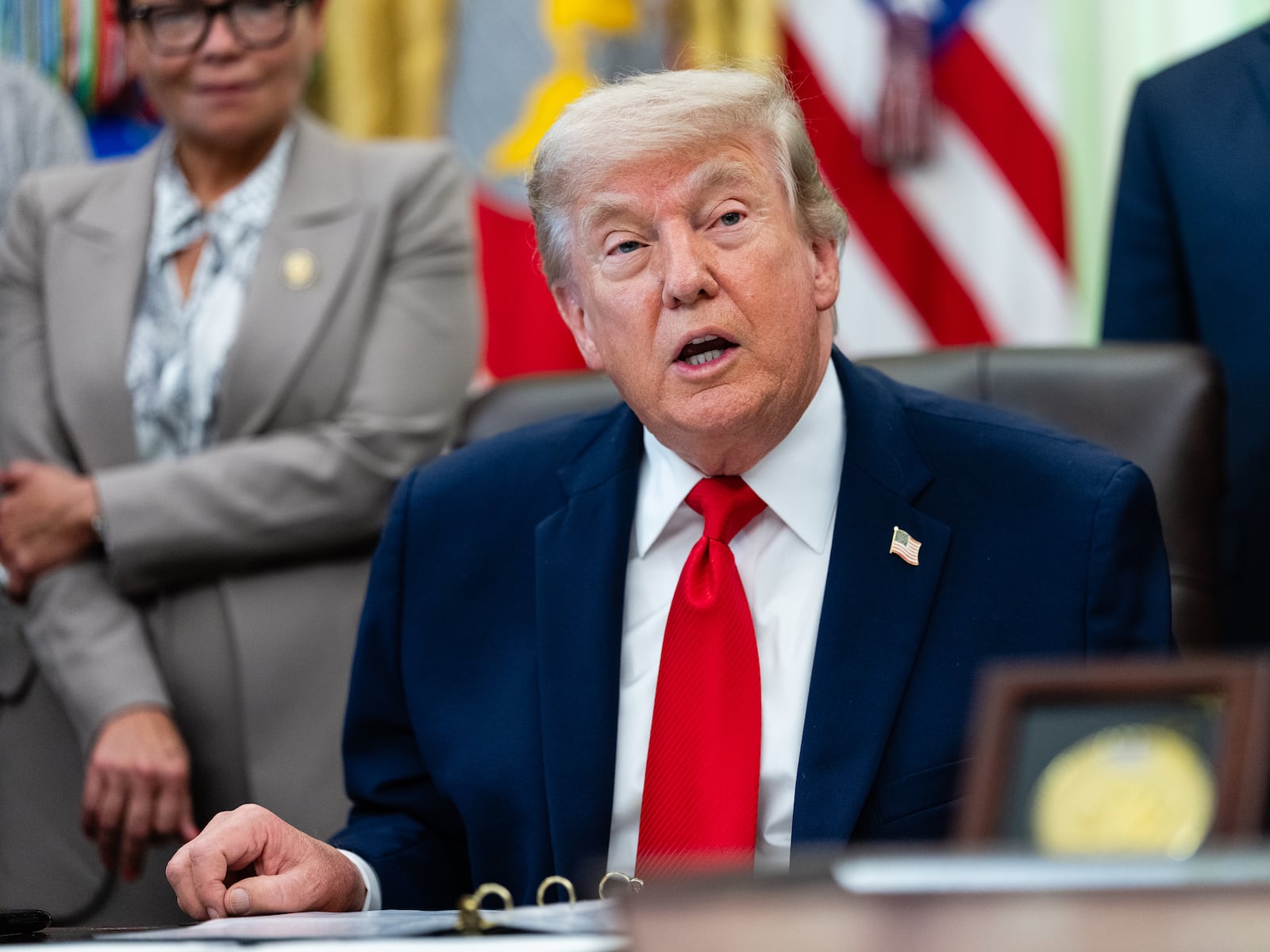
US President Donald Trump declared the breakthrough on his Truth Social platform, saying the agreement was complete and would lead to the restoration of normal shipping through one of the world’s most important energy corridors.
Pakistani Prime Minister Shehbaz Sharif, whose government played a key role in mediation efforts, also confirmed that the two sides had agreed on a framework to halt hostilities and begin a new phase of diplomacy.
Strait of Hormuz to Reopen
One of the most significant elements of the preliminary agreement is the planned reopening of the Strait of Hormuz, a strategic maritime route that carries roughly one-fifth of global oil and gas shipments.

Trump said the waterway would reopen following the signing ceremony and announced plans to end the US blockade of Iranian ports.
The announcement immediately calmed global energy markets, with Brent crude prices falling by about four percent and stock markets across Asia and Europe posting gains amid expectations of improved global energy supplies.
Despite the breakthrough, major issues remain unresolved, particularly the future of Iran’s nuclear programme.
Iranian and US officials indicated that a 60-day ceasefire period would allow negotiators to address sanctions relief, Iran’s stockpile of enriched uranium and long-term restrictions on nuclear activities.
Iran’s Deputy Foreign Minister Kazem Gharibabadi said broader negotiations would continue during the ceasefire period, while US officials maintained that any final settlement must address concerns over Tehran’s nuclear ambitions.
The agreement has drawn positive reactions from world leaders and financial markets.

Leaders from the United Kingdom, France, Germany and Italy welcomed the development and signalled readiness to support a broader diplomatic settlement if Iran takes verifiable steps regarding its nuclear programme.
The agreement is also expected to dominate discussions at the ongoing G7 Summit in France, where world leaders are meeting amid concerns over global energy security and regional stability in the Middle East.
However, questions remain over the durability of the deal, particularly given continuing tensions involving Israel and Hezbollah in Lebanon, an issue that nearly complicated negotiations in recent days.
The deal represents a significant political moment for President Trump, whose administration has faced growing domestic pressure over rising fuel prices and the economic consequences of the conflict.
Analysts say a successful agreement could ease pressure on global energy markets and improve economic sentiment ahead of key political contests in the United States.
While the preliminary accord marks the most significant diplomatic breakthrough since the conflict began in February, negotiators on both sides acknowledge that the most difficult discussions — particularly over Iran’s nuclear future — are still ahead.
If you would like your article/opinion to be published on Uganda’s most authoritative news platform, send your submission on: [email protected]. You can also follow DailyExpress on WhatsApp and on Twitter (X) for realtime updates.