
Karenga, Uganda: As climate change continues to devastate livelihoods across Karamoja, leaders, development partners, and residents in Karenga District are increasingly warning that the crisis extends far beyond drought and food insecurity.
For many families in the district, prolonged dry spells, crop failures and shrinking household incomes are creating a new set of challenges that disproportionately affect girls, including rising school dropout rates, child marriages, teenage pregnancies, and increased vulnerability to exploitation.
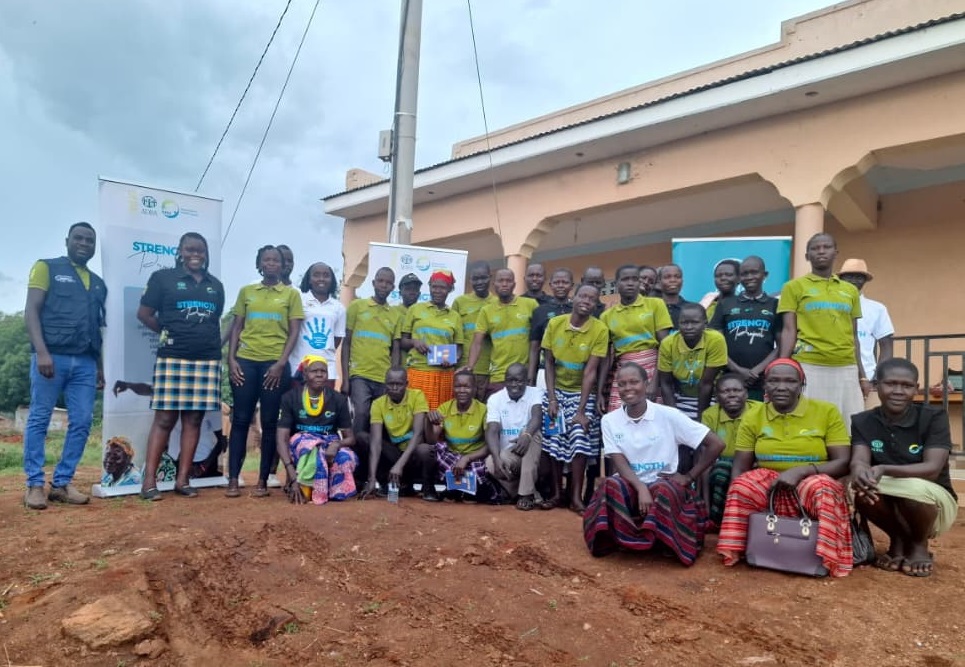
It was these growing concerns that took centre stage during a Community Baraza organized by Reproductive Health Uganda (RHU) in Kangole Parish, Karenga Town Council under the STRENGTH Project (Strengthening Community-Based Climate Adaptation in Uganda and Sudan).
The dialogue brought together local leaders, security officials, community members and development partners to examine how climate-related shocks are increasingly intersecting with child protection concerns across the district.
Climate Change Driving Social Vulnerabilities
Like much of the Karamoja sub-region, Karenga has in recent years experienced recurring droughts, erratic rainfall and declining agricultural productivity, leaving many households struggling to meet basic needs.
Development experts say that when livelihoods collapse under climate pressure, girls are often among the most affected.
Families facing economic hardship may withdraw girls from school, expose them to child labour, or resort to early marriage as a coping mechanism.
Speaking during the Baraza, RHU District Focal Person Florence Anero said climate change is intensifying existing social and economic vulnerabilities within communities.
“When families lose their livelihoods due to climate-related challenges, girls are often the first to suffer. Through community dialogues, village savings groups, on-farm trainings, and awareness campaigns, we are empowering communities with knowledge and promoting actions that protect girls and support their education,” Anero said.
She noted that climate adaptation efforts must go hand in hand with protecting children and strengthening community resilience.
Poverty, School Dropout and Child Marriage

Participants identified poverty, poor parenting, alcoholism, child neglect, peer pressure, school dropout, child labour and inadequate access to guidance and counselling services as among the leading drivers of child marriage and teenage pregnancies in Karenga.
Community members observed that worsening economic conditions have weakened traditional support systems and increased pressure on vulnerable households.
Some participants acknowledged that harmful cultural practices continue to persist, with certain families still viewing girls as sources of wealth through bride price arrangements.
Such practices, leaders noted, continue to undermine girls’ education and limit their future opportunities.
According to community members, climate-induced poverty is making these vulnerabilities worse by reducing household incomes and increasing desperation among struggling families.
RHU Awareness Campaigns Changing Attitudes
Several community members credited RHU’s interventions with helping break the silence around issues previously considered taboo.
Among them was community group leader Nakiru Esther, who said the organization has helped equip residents with vital knowledge on sexual and reproductive health and child protection.
“Before RHU came to our community, many of us lacked knowledge about sensitive issues such as teenage pregnancy, child marriage, and sexual and reproductive health rights. We did not have enough information to guide our children and young people properly. Through the trainings and awareness sessions provided by RHU, we have gained valuable knowledge and understanding,” she said.
Nakiru noted that community leaders and parents are now better equipped to discuss difficult issues affecting young people and connect vulnerable girls to available support services.
“We are now better equipped to educate others, protect our children, and promote healthier and safer communities. We appreciate RHU for the support and knowledge they have brought to our community,” she added.
Leaders Call for Community Action
District leaders used the dialogue to challenge communities to take greater responsibility in protecting children and reporting abuse cases.

Speaking on behalf of the Karenga District LCV Chairperson, District Speaker Samson Olum praised RHU and its partners for creating a platform that allows communities to openly discuss sensitive issues affecting children and families.
“These discussions must lead to practical solutions that improve the lives of our children. Communities understand their challenges best and should actively participate in identifying sustainable solutions,” Olum said.
District Internal Security Officer Edwin Kukundakwe emphasized the need for residents to promptly report cases of child abuse, defilement and exploitation. He warned that delayed reporting often undermines investigations and denies victims justice.
Resident District Commissioner Kedi Ronald also urged parents to become more actively involved in their children’s lives.
“Society itself is partly responsible for the persistence of child marriage and teenage pregnancies through neglect and failure to report offenders. Parents must know where their children are, guide them properly, and report perpetrators without fear,” Kedi said.
The RDC further condemned the growing trend of exposing children to alcohol and warned against illegal discos and entertainment events that place minors at risk.
Climate Resilience Must Include Child Protection
The STRENGTH Project is increasingly highlighting the need to address climate adaptation and child protection as interconnected challenges rather than separate issues.
Participants noted that protecting girls and ensuring their continued access to education is essential to building resilient communities capable of withstanding climate-related shocks.
By the end of the Baraza, community members agreed on several priority actions, including strengthening enforcement of child protection laws, improving reporting mechanisms, supporting school retention programmes, expanding adolescent-friendly health services and promoting economic empowerment initiatives for vulnerable households.
The discussions underscored a growing reality in Karenga and across much of Karamoja: climate change is not only threatening crops, livestock and incomes but is also reshaping social dynamics and exposing girls to heightened risks.
As drought conditions persist and livelihoods remain fragile, leaders say coordinated action involving communities, government institutions and development partners will be critical to ensuring that girls remain safe, stay in school and achieve their full potential.
For Karenga, the fight against child marriage and teenage pregnancy is increasingly becoming part of a broader effort to build climate-resilient communities where development, protection and opportunity go hand in hand.
If you would like your article/opinion to be published on Uganda’s most authoritative news platform, send your submission on: [email protected]. You can also follow DailyExpress on WhatsApp and on Twitter (X) for realtime updates.