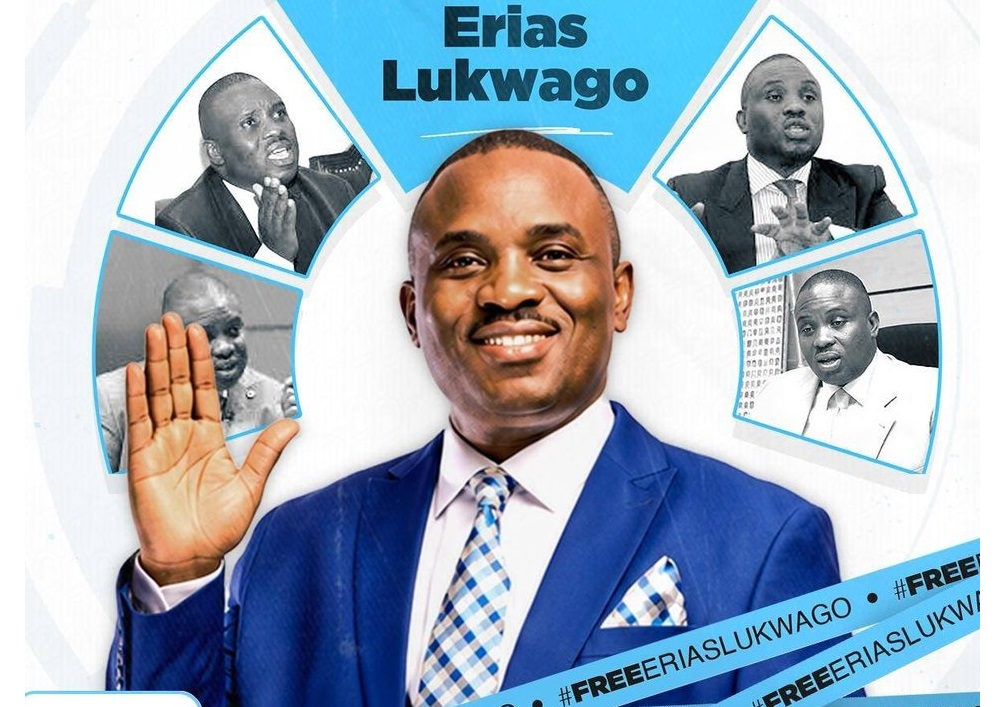
Kampala, Uganda: Uganda’s legal fraternity has escalated its confrontation with state institutions after the Uganda Law Society (ULS) dramatically withdrew from a high-level Bar-Bench meeting with the Judiciary, citing the arrest and detention of senior advocate Erias Lukwago and accusing judicial leaders of failing to defend the independence of lawyers and the administration of justice.
In a strongly worded letter addressed to the Judiciary Chief Registrar on Tuesday morning, the ULS Executive Council announced that it would not attend the scheduled Bar-Bench Meeting at the Supreme Court, saying it was instead engaged in what it described as an urgent “search and rescue mission” for Lukwago.
The development marks one of the most serious public rifts between the country’s legal profession and the Judiciary in recent years.
Lukwago, a former Kampala Lord Mayor, interim president of the People’s Front for Freedom (PFF), and lead defence counsel in the ongoing treason trial involving opposition veteran Dr Kizza Besigye and Hajj Obeid Lutale, was arrested by security operatives on Monday from his home in Wakaliga under circumstances that remain contested.
ULS: Judiciary’s Silence Is “Not Acceptable”
While the boycott itself is unprecedented, it is the language contained in the ULS letter that has drawn the most attention.
Vice President Anthony Asiimwe says the arrest of Lukwago goes beyond an attack on an individual lawyer and strikes at the heart of Uganda’s justice system. “These developments have created an extremely serious situation that demands our undivided attention,” Asiimwe said in the letter, also copied to the Chief Justice, his Deputy, and Justice Minister Norbert Mao.
“The silence of the Judiciary in the face of such blatant harassment, intimidation, and obstruction of an officer of the Court is deeply concerning and not acceptable,” the letter added.
The lawyers’ body argues that as the constitutional guardian of justice, the Judiciary has an obligation under Article 128(1) of the Constitution to protect lawyers, litigants and judicial proceedings from external interference.
The Society further warned that the arrest of a lead defence lawyer in a major treason case raises broader concerns about fair trial guarantees under Article 28 of the Constitution.
Lukwago Arrest Sparks National and International Attention
The controversy intensified after reports emerged that the former Lord Mayor of Uganda’s Capital, Kampala, had been seized by armed security personnel shortly after pursuing legal action against Chief of Defence Forces Gen Muhoozi Kainerugaba over social media threats directed at Ugandan opposition figures.
Reuters reported on Monday that Lukwago was taken from his residence by state operatives, while the People’s Front for Freedom described the incident as an abduction.
The Associated Press also reported later that day that Gen Muhoozi later publicly acknowledged the arrest on social media and posted messages threatening further action against Lukwago, developments that have since triggered condemnation from lawyers, opposition leaders, and human rights advocates.

Prior to his arrest, Lukwago had reportedly raised alarm over the presence of security operatives around his residence, posting that “two drones” had sealed off his home before he was later taken away.
Escalating Constitutional Crisis
Legal observers say the ULS decision to boycott a formal engagement with the Judiciary transforms the issue from a dispute over one arrest into a broader constitutional confrontation.
Bar-Bench meetings traditionally serve as platforms for dialogue between judges and lawyers on the administration of justice. By refusing to attend, ULS is effectively signalling a loss of confidence in the ability of judicial institutions to safeguard the independence of legal practitioners.
The Society stated that it would withhold participation in similar engagements until there is “clear and demonstrable fidelity to the Constitution” by those responsible for convening them. The letter also revealed that ULS is reviewing security protocols for Lukwago’s legal team, which it says includes foreign counsel and independent trial observers.
As pressure mounts on the Judiciary, the Attorney General, and security agencies to respond, the coming days are likely to determine whether the dispute cools through dialogue or escalates into one of the most consequential rule-of-law standoffs Uganda has witnessed in recent years.
The Judiciary was yet to issue a response to the Law Society’s decision to boycott at the time this story was filed.
If you would like your article/opinion to be published on Uganda’s most authoritative news platform, send your submission on: [email protected]. You can also follow DailyExpress on WhatsApp and on Twitter (X) for realtime updates.