
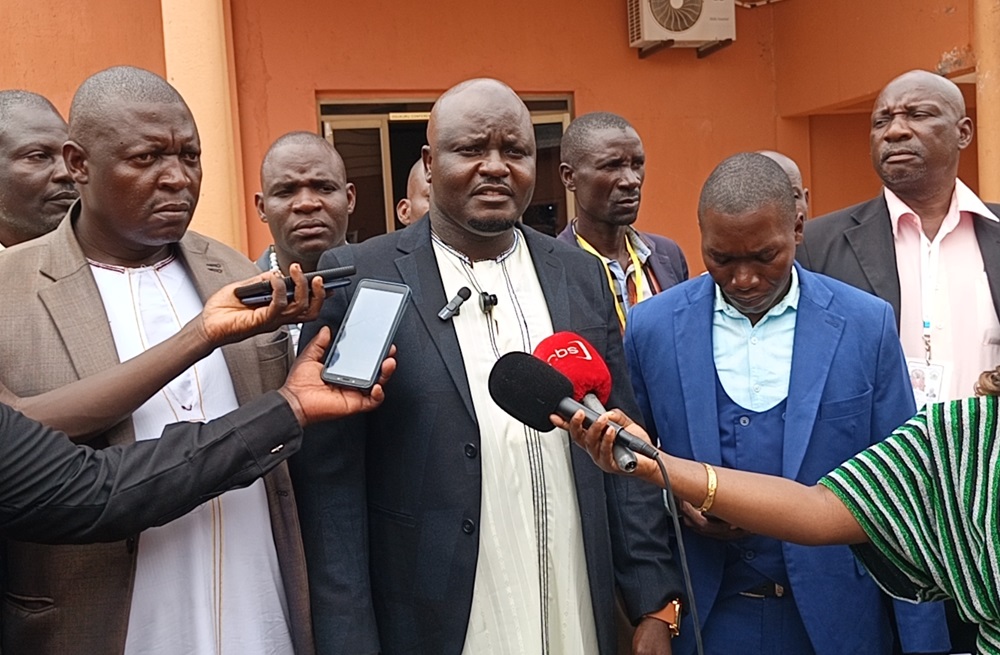
Tororo, Uganda: Questions over language, leadership structure and the relationship between existing cultural institutions dominated consultations on the proposed restoration of the historic Bukedi Kingdom, as local government leaders from across the Bukedi sub-region met to deliberate on the initiative.
The consultative meeting, convened by the Bukedi Kingdom Restoration Steering Committee, was held at Rock Classic Hotel in Tororo and brought together district leaders, municipality and division representatives, elders, and members of the restoration committee from the seven districts that make up the Bukedi sub-region.
The districts represented included Pallisa, Kibuku, Budaka, Butebo, Butaleja, Tororo and Busia.
Attendance by local government leaders was mixed, with Busia District LCV Chairperson John Charles Namayindi attending in person, while Kibuku District Vice Chairperson Bashiri Nanghenje represented his district. Busia Municipality and Tororo Municipality also sent representatives, although several districts were not represented at the political leadership level.
Opening the meeting, Steering Committee Chairperson Mangeni Dirisa said the consultations were intended to gather views from local leaders before advancing the restoration process.
“Bukedi is not just a name in our history books. It is our identity, our values and our way of doing things. Our objective is to build unity, promote our shared cultural heritage and strengthen the social and economic development of all the people of Bukedi,” Dirisa said.
He emphasized that the proposed kingdom is not intended to replace or undermine existing cultural institutions but rather to complement them while respecting their identities and mandates.
Delivering the keynote address, Acting Premier of Obwa Senkulu Bwa Bukedi, Rt. Hon. Dr. Keddi Steven Eric Zuluba, said the restoration campaign is driven by the people’s desire to reclaim their cultural identity while promoting peace, unity and development.
“The Bukedi Kingdom represents the heritage of the Iteso, Bagwere, Banyole, Basamia, Japadhola and all communities of the entire Bukedi. Our goal is to build an institution that promotes peace, preserves our culture and supports government development,” Zuluba said.

He explained that the proposed kingdom is envisioned as an umbrella cultural institution capable of bringing together the different communities within Bukedi without interfering with the authority of already gazetted cultural institutions.
According to Zuluba, a united Bukedi would strengthen the region’s collective voice in advocating for improved roads, healthcare, education, clean water, electricity, agricultural markets, youth employment, industrial development and investment.
He called upon political, religious and cultural leaders to embrace dialogue and transparency throughout the consultation process under the theme “Umoja ni Nguvu” (Unity is Strength).
Representing the Mayor of Busia Municipality, Wandera Brian welcomed the restoration initiative and urged leaders to support the process while ensuring that it remains inclusive and avoids creating divisions among communities.
Meanwhile, Kibuku District Vice Chairperson Bashiri Nanghenje said the people of Bukedi should not ignore their shared history and criticized leaders who failed to attend the meeting.
He argued that language differences and tribal divisions have continued to slow development across the sub-region and called upon leaders to unite behind initiatives aimed at improving the welfare of the people.
However, the most extensive debate came from Busia District LCV Chairperson John Charles Namayindi, who welcomed the restoration idea but raised several critical questions that he said must first be addressed.
Namayindi observed that Bukedi is home to multiple ethnic communities speaking different indigenous languages, making communication one of the major issues requiring careful consideration.
He pointed out that the consultations themselves had largely been conducted in English because there was no single indigenous language understood by all participants.
The Busia district leader also sought clarification on how the proposed Bukedi Kingdom would coexist with the already gazetted cultural institutions within the sub-region.
He questioned how protocol would be managed during official functions involving the proposed Bukedi Kingdom leadership and leaders of existing cultural institutions, particularly regarding precedence and cultural authority.

Namayindi further argued that prime ministers and leaders of all existing cultural institutions should be formally included in the consultation process before any final decisions are reached.
He also questioned why efforts to restore Bukedi Kingdom had only gained momentum more than three decades after Uganda restored several traditional kingdoms and cultural institutions in 1993.
Despite raising the concerns, Namayindi said he supports the restoration initiative provided it remains inclusive, transparent and receives the endorsement of existing cultural institutions.
Dirisa informed participants that the Steering Committee has already conducted community consultations, documented traditional cultural structures and engaged some cultural leaders as well as the Ministry of Gender, Labour and Social Development as part of the restoration process.
Following the deliberations, participants resolved that the restoration process should remain inclusive of all communities and clan leaders throughout the Bukedi sub-region.
They further agreed that the proposed kingdom should not be used for political purposes and should instead complement local governments in mobilising communities for improved service delivery, education, healthcare, wealth creation and cultural preservation.
The meeting also resolved that clan leaders should jointly conduct community sensitisation while the Steering Committee continues engaging the government to fulfil the legal requirements under the Traditional and Cultural Institutions Act.
According to historical records presented during the meeting, Bukedi existed as a unified traditional kingdom before colonial administrative reforms altered its governance structures.
Although Uganda restored several traditional kingdoms following the enactment of Article 246 of the Constitution in the 1990s, proponents argue that Bukedi was not among those reinstated, prompting the ongoing campaign for its restoration.
The Steering Committee is expected to conduct further district-level consultations before compiling a harmonised position paper for submission to the Government of Uganda.
While supporters believe the restoration could strengthen cultural identity, unity and socio-economic development across Bukedi, several leaders maintain that broad consensus among all communities and existing cultural institutions will be essential before the proposal can move to the next stage.
If you would like your article/opinion to be published on Uganda’s most authoritative news platform, send your submission on: [email protected]. You can also follow DailyExpress on WhatsApp and on Twitter (X) for realtime updates.