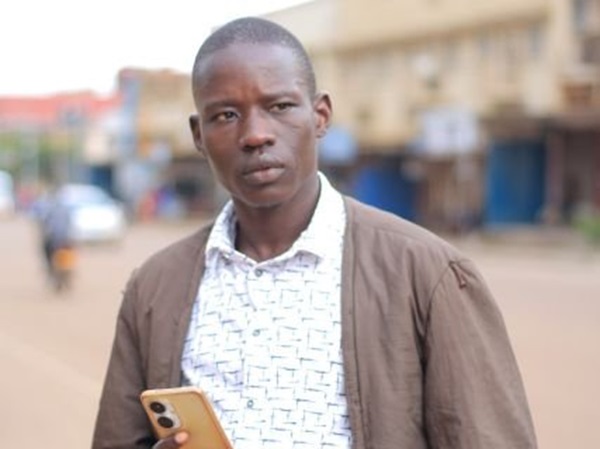
By Ofwono George
The proposed “Sovereignty Protection Bill 2026” has cast a long shadow over the landscape of civic engagement, raising serious concerns about its potential to stifle dissent and dismantle the very foundations upon which social empowerment and effective policy advocacy are built.
While proponents claim the bill safeguards national interests, a closer examination reveals a dangerous weapon that could silence critical voices, hinder the work of independent organizations, and ultimately undermine the progress of a just and equitable society.
The bill, in its current form, targets organizations receiving foreign funding, labeling them as potentially “agents of foreign influence.” This broad brushstroke casts suspicion on a vast array of groups, from human rights defenders and environmental watchdogs to women’s organizations and poverty alleviation initiatives, that rely on international support to carry out their vital work.

This blanket suspicion, without due process or clear definition, creates an atmosphere of fear and self-censorship. Organizations, fearing the repercussions of being labeled and scrutinized, may be forced to curtail their activities, abandon critical projects, or even close down altogether.
The chilling effect on social empowerment is undeniable. Many organizations targeted by the bill are dedicated to amplifying the voices of marginalized communities. They provide essential services, advocate for policy changes, and empower individuals to claim their rights. By shrinking the space for independent advocacy, the bill directly harms those most in need.
Women’s rights groups, for example, may struggle to operate freely, hindering efforts to combat gender-based violence and advocate for equal opportunities. Environmental organizations could find their work to protect natural resources and hold powerful interests accountable severely restricted.
The impact on policy advocacy will be equally devastating. The bill, by effectively demonizing groups that seek to influence policy, will make it harder for them to participate in informed debates and contribute to the policy-making process. The absence of these critical voices will leave a void, making it easier for policymakers to disregard the concerns of civil society and prioritize narrow interests over the public good.
Without the scrutiny and expertise of independent organizations, governments are more likely to make decisions based on political expediency or vested interests, rather than on evidence-based research and the needs of the population.

Furthermore, the bill’s focus on foreign funding ignores the crucial role that international cooperation plays in addressing global challenges. Many of the issues tackled by civil society, climate change, poverty, and human rights, require collaboration and support from international partners. By isolating the nation and creating barriers to international funding, the bill risks weakening the country’s ability to participate in and benefit from these vital global efforts.
The proponents of the bill argue that it is designed to protect national sovereignty. However, a true sovereign nation thrives on a vibrant and engaged civil society, one that is free to scrutinize government actions, advocate for change, and hold those in power accountable. This bill, instead, seeks to erect a fortress of silence, where critical voices are stifled and independent action is curtailed.
The government must reconsider this dangerous legislation. Instead of silencing dissent, it should embrace a society where open dialogue, independent thought, and the free exchange of ideas are valued. The future of social empowerment, effective policy advocacy, and the health of our democracy depend on it. We must stand together and demand.
The writer is a youth advocate for social-political and economic justice.
If you would like your article/opinion to be published on Uganda’s most authoritative news platform, send your submission on: [email protected]. You can also follow DailyExpress on WhatsApp and on Twitter (X) for realtime updates.