
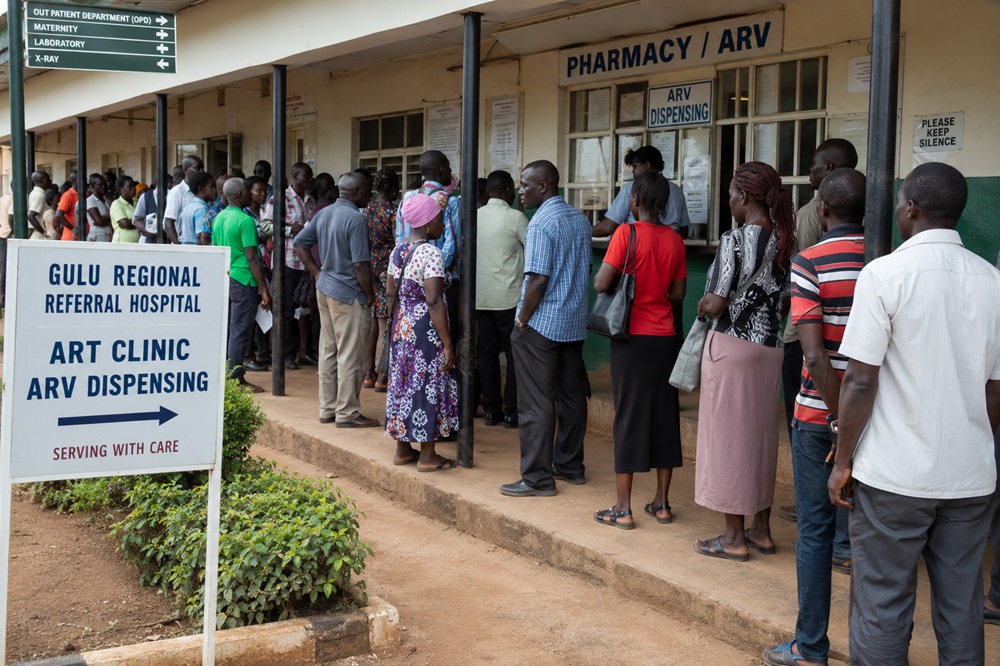
Gulu City, Uganda: Health experts in Gulu City have raised alarm over the persistently low uptake of pre-exposure prophylaxis (PrEP), warning that the trend could undermine efforts to curb new HIV infections in the region.
The concerns were raised during a Health Journalism Network Uganda training for journalists from the Northern Uganda Media Club held at the District Council Hall in Gulu City. The training focused on the current HIV situation in the city and introduced Lenacapavir, a new long-acting injectable drug for HIV prevention.
According to data from Gulu Regional Referral Hospital, only 423 people accessed PrEP services between January and May 2026 across the hospital and other accredited health facilities in the city.
Florence Amito, the Gulu City HIV Focal Person, said the low uptake remains a major challenge despite the proven effectiveness of PrEP in preventing HIV transmission.
“PrEP is one of the most effective tools we have to prevent HIV, but many people still do not know about it or fear being judged if they ask for it,” Amito said. “We know that many young people and key populations are sexually active, yet they are not coming to health facilities to get PrEP.”
Amito revealed that Gulu City currently has an estimated 22,439 people living with HIV, comprising 14,882 females and 7,637 males. She added that approximately 480 new HIV cases were registered between January and May 2026, underscoring the need to strengthen prevention efforts.

“When taken as prescribed, PrEP reduces the risk of getting HIV from sex by about 99 percent,” she explained. “The medication is available and provided free of charge at government health facilities. However, it’s important to note that PrEP does not prevent pregnancy or other sexually transmitted infections.”
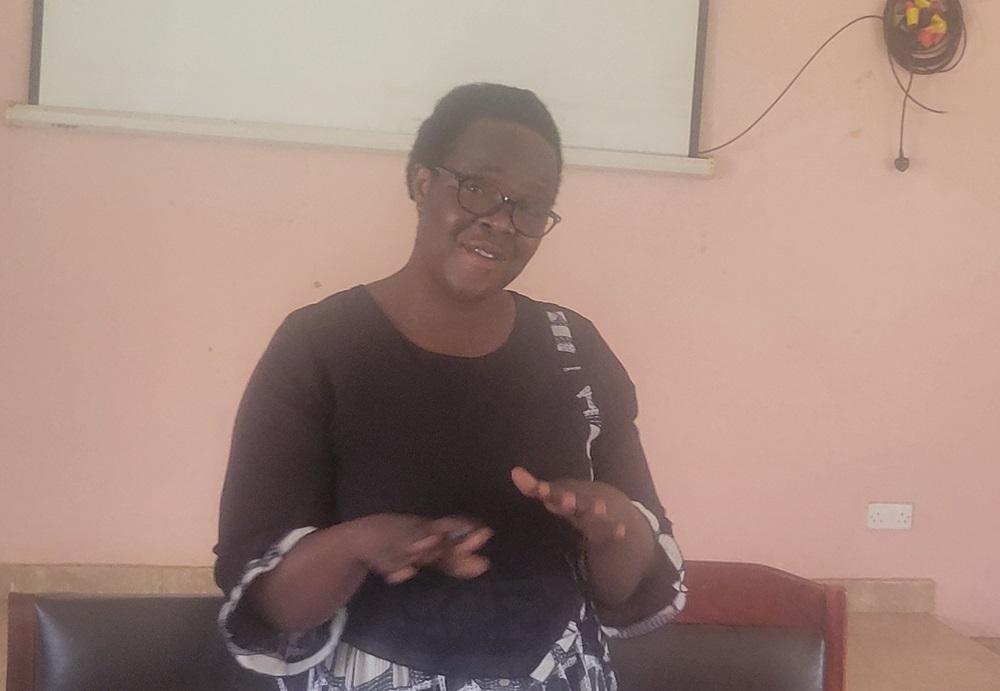
Health workers identified stigma as one of the biggest barriers preventing people from accessing the medication, with some individuals reportedly being labelled HIV positive simply for seeking information about PrEP.
To address the challenge, health facilities have intensified community outreach programmes targeting markets, schools, and boda boda stages while also training peer educators to support awareness campaigns.
Dr. Ayaa Stella Mary, the In-charge of Badege Health Centre III, said community engagement remains critical in increasing access to HIV prevention services.
Records from Badege Health Centre III show that out of 114 individuals screened for PrEP, 52 were enrolled. Of those enrolled, five were breastfeeding mothers, 38 were pregnant mothers and nine belonged to other categories.
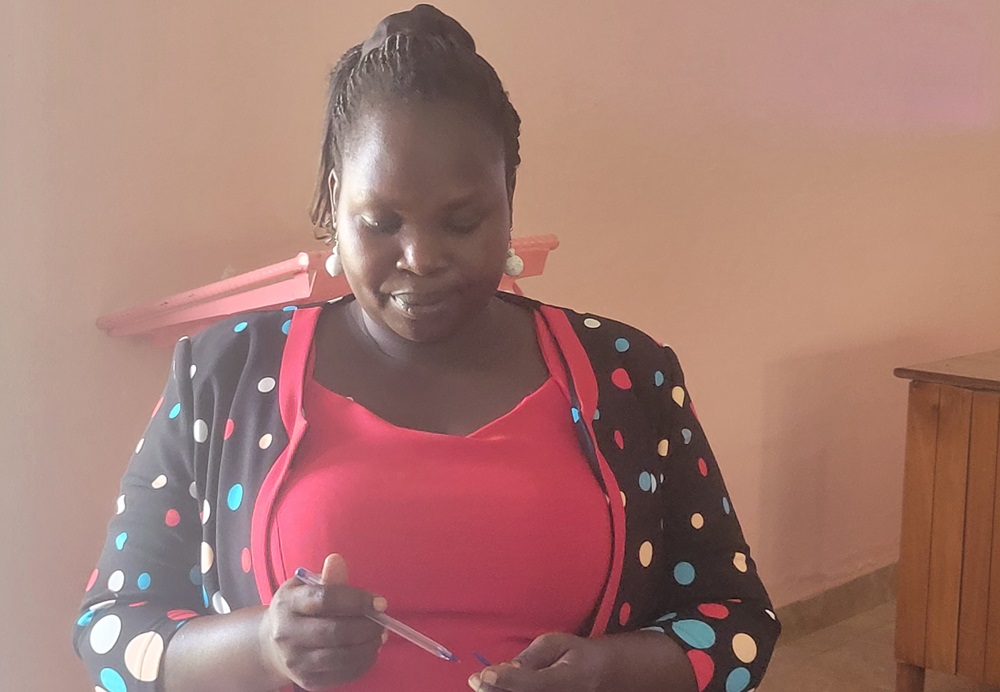
William Oyai, Senior Health Educator for Gulu District, called for the expansion of health facilities offering PrEP services, arguing that long travel distances discourage many potential users.
“For PrEP to benefit more people, services should be brought closer to communities through more Health Centre IIs and Health Centre IIIs,” Oyai said.

He also noted that the current process of accessing PrEP can be lengthy and lacks adequate privacy for some clients.
Meanwhile, Susan Kipwola, a trained peer educator in Gulu City and one of the first beneficiaries to sample Lenacapavir, encouraged residents to embrace both PrEP and the new injectable prevention option.
“Let’s not fear enrolling for PrEP. It is one of the ways we can protect our health and ensure we remain HIV-free,” Kipwola said.
She urged health authorities to prioritize high-risk areas and vulnerable populations, including sex workers, in HIV prevention interventions.
Grace Adokorach, a health worker at Gulu Regional Referral Hospital, encouraged sexually active individuals, especially those with multiple partners or inconsistent condom use, to regularly test for HIV and seek preventive services.
“Most young people should regularly go to hospitals for medical check-ups,” Adokorach said.
Uganda currently has an estimated 1.4 million people living with HIV and a national adult prevalence rate of approximately 5.1 percent. Although the country has registered progress in reducing infections over recent years, health experts say sustained prevention efforts remain critical to ending the epidemic.
If you would like your article/opinion to be published on Uganda’s most authoritative news platform, send your submission on: [email protected]. You can also follow DailyExpress on WhatsApp and on Twitter (X) for realtime updates.