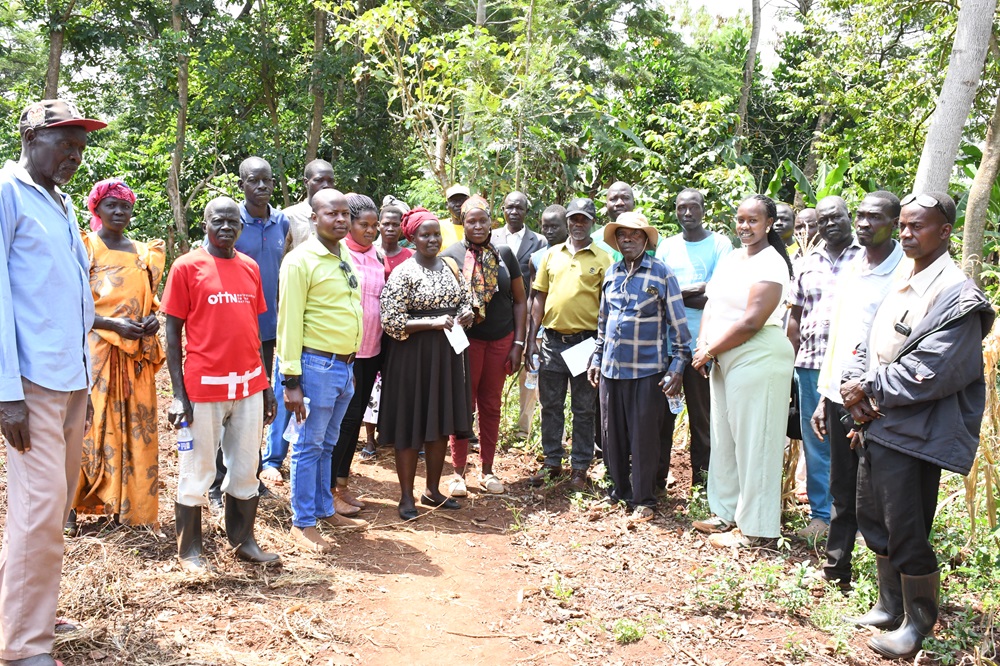
Kiryandongo, Uganda: Communities in Nyinga II and Lavorongur A villages in Kiryandongo District have donated four acres of land for the establishment of agro-produce dehydration hubs, a project expected to reduce post-harvest losses, promote value addition and increase household incomes.
The land was officially handed over to Excel Hort Consult Agribusiness Incubator (EHCAI) on July 10, 2026, through a Memorandum of Understanding (MoU) signed between the landowners, EHCAI, and Kiryandongo District Local Government.
The dehydration hubs will be established with funding from the Food and Agriculture Organization (FAO) under the FAO-Dehydrated Value Chains (DVC) Project, which seeks to strengthen agricultural value chains through agro-processing and improved market access.
Under the agreement, EHCAI will manage the facilities for an agreed period while training and equipping local farmer groups to eventually assume ownership and operate the hubs as sustainable community enterprises.
Dr. Charles Malingu of Excel Hort Consult Agribusiness Incubator said the project will encourage increased agricultural production while helping farmers organize themselves for collective marketing and bulking.

“The dehydration hubs will stimulate increased agricultural production while promoting bulking of produce. This will improve farmers’ incomes through value addition and better access to markets,” Dr. Malingu said.
He explained that the introduction of modern dehydration technology will enable farmers to preserve highly perishable agricultural produce for longer periods, minimize post-harvest losses and access more lucrative domestic and export markets.
Besides improving farmers’ earnings, the project is expected to create employment opportunities for young people and women in produce processing, packaging, transportation and marketing.
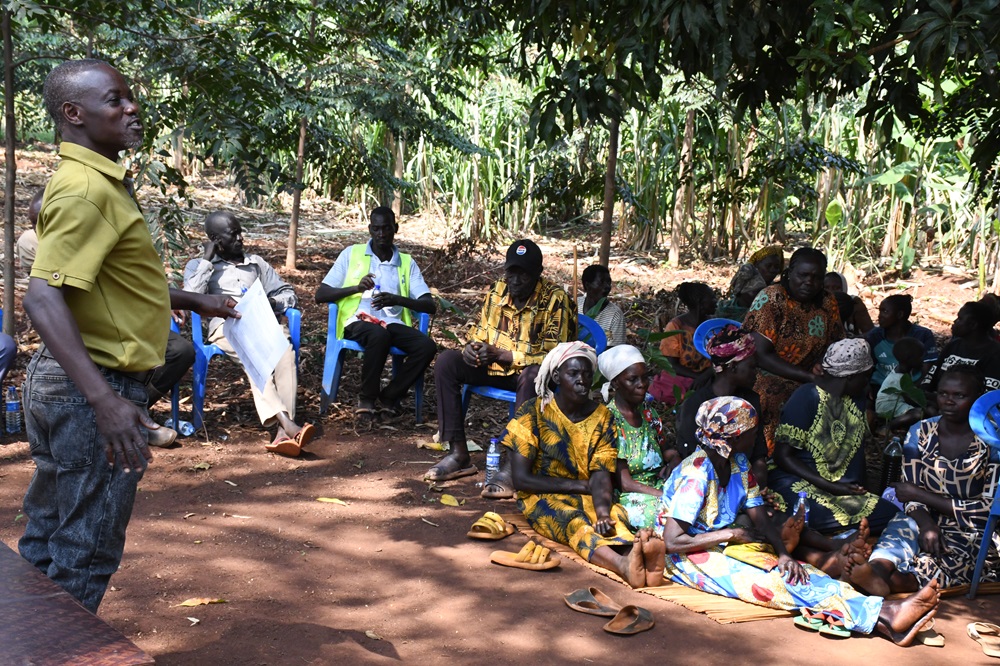
The LC I Chairperson of Nyinga II Village, James Ojansuk, welcomed the initiative, describing it as a milestone in the community’s socio-economic transformation.
“This project will transform our village socially and economically. I encourage all residents to embrace it and ensure that the infrastructure is protected because it belongs to the community,” Ojansuk said.
One of the land donors, John Tindyebwa, voluntarily offered two acres of his land for the project, saying the long-term benefits to the community outweighed personal interests.
“We were privileged to be identified to host this important project. I could not afford to lose such an opportunity, so I offered my two acres of land to support its establishment. I believe this investment will benefit our children and future generations,” Tindyebwa said.

Kiryandongo District Commercial Officer Sam Kakumba emphasized that agro-processing remains critical to improving agricultural competitiveness and increasing farmers’ incomes.
He noted that the planned solar-powered dehydration facilities will improve produce quality while significantly reducing the post-harvest losses that continue to affect many farming households.
“The solar drier will help farmers maintain the quality of their produce and minimize losses after harvest. I encourage the community to take ownership of the project and engage in large-scale production so that the facility operates at full capacity,” Kakumba said.
Once operational, the hubs will serve as collection, processing and value-addition centres where farmers can dry fruits, vegetables and other agricultural produce using solar technology before accessing higher-value markets.
The FAO-Dehydrated Value Chains Project promotes an innovative business model that expands equitable access to agro-processing technology and related services. By strengthening value addition, the initiative aims to increase farmers’ incomes, enhance food security, reduce food waste and build the resilience of farming communities.
District leaders expressed optimism that the dehydration hubs will accelerate the transition from subsistence to commercial agriculture by enabling farmers to market high-quality value-added products throughout the year.
If you would like your article/opinion to be published on Uganda’s most authoritative news platform, send your submission on: [email protected]. You can also follow DailyExpress on WhatsApp and on Twitter (X) for realtime updates.