
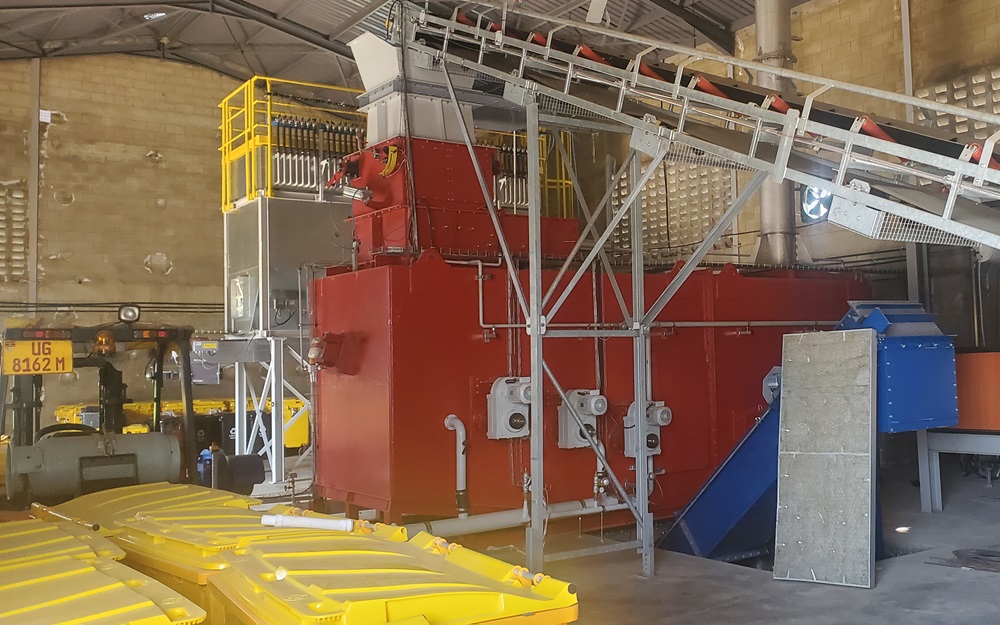
Gulu City, Uganda: Residents of Gulu City have urged the Ministry of Health to expedite the completion of the regional medical waste incinerator, citing growing concerns over pollution from the ageing incinerator at Gulu Regional Referral Hospital.
The residents say smoke and foul odours from the hospital’s existing incinerator have become a persistent nuisance, raising fears of environmental pollution and possible health risks for nearby communities and businesses.
The regional incinerator, funded by the World Bank through the Ministry of Health at a cost of Shs19 billion, is expected to improve the safe disposal of medical and hazardous waste generated by health facilities across the Acholi Sub-region.
Patrick Otim, a resident of Gulu City, said emissions from the current incinerator have made life difficult for neighbouring communities.
He warned that toxic air pollutants, including particulate matter and hazardous chemicals released during incineration, could negatively affect air quality, soil and water if not properly managed.
“Whenever they burn waste at the hospital, the smell becomes unbearable. It even makes some people lose their appetite, while others vomit because of the smoke,” Otim said.
He appealed to government to fast-track completion of the regional facility to minimise potential health risks.

Miriam Atim, a food vendor operating near Gulu Regional Referral Hospital, said the smoke has affected her business, with customers often avoiding her restaurant whenever waste is being incinerated.
She urged the Ministry of Health to complete the new facility quickly to improve the environment for businesses operating near the hospital.
Responding to the concerns, Walter Uryek-Wun, Principal Hospital Administrator at Gulu Regional Referral Hospital, acknowledged complaints from residents and assured them that the situation will improve once the new regional incinerator becomes operational.
He said the existing hospital incinerator currently disposes of between nine and 15 tonnes of medical and hazardous waste daily, adding that the hospital intends to retire the old facility after commissioning the regional incinerator.
“As the Ministry, we are not sleeping. We understand the concerns about pollution, but once the regional incinerator is completed, the current hospital incinerator will be closed,” Uryek-Wun said.
Ministry of Health spokesperson Emmanuel Ainebyoona attributed delays in completing the project to power installation challenges, explaining that government is awaiting the delivery of a generator from abroad.
He said the regional facility is expected to be commissioned by November 2026.
Ainebyoona noted that once operational, the incinerator will significantly improve medical waste management across Northern Uganda while addressing concerns raised by surrounding communities.

Public Health Specialist Susan Namukase said several medical waste incinerators originally supported through USAID funding remained incomplete after the programme ended prematurely, forcing government to mobilise additional resources to complete critical infrastructure.
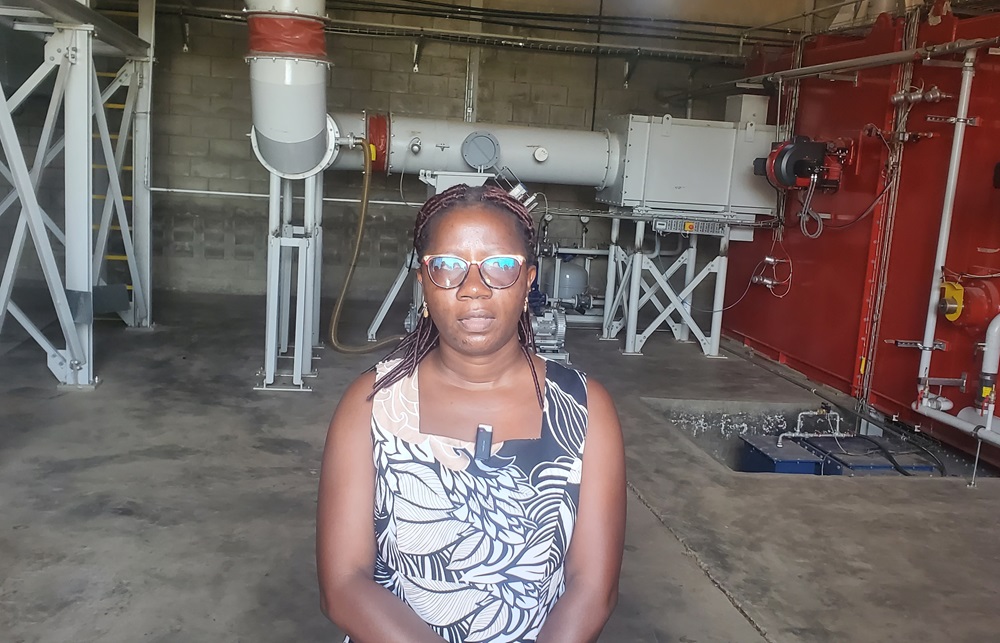
Health experts also warned that prolonged exposure to emissions from poorly managed medical waste incinerators could pose health risks.
Nutritionist Ronald Komakech said communities living near incineration facilities may face increased risks of respiratory illnesses and other pollution-related complications if emissions are not properly controlled.
He called for stronger environmental monitoring and independent oversight to ensure medical waste disposal complies with public health standards.
Meanwhile, Joyce Mbambu, the nurse in charge of the Tuberculosis Ward at Gulu Regional Referral Hospital, suggested adjusting waste-burning schedules to minimise the impact on surrounding communities until the new facility is commissioned.
Health expert Robert Okello Ojara also urged government to strengthen environmental monitoring around hospitals handling hazardous waste and explore partnerships with private waste management firms where necessary.
According to the Ministry of Health, Uganda is constructing five regional medical waste incinerators under various development programmes to improve healthcare waste management nationwide.
The ministry previously reported that only 26 of the country’s 48 medical waste incinerators are fully operational, with several facilities either incomplete or yet to be commissioned following the suspension of external funding.
If you would like your article/opinion to be published on Uganda’s most authoritative news platform, send your submission on: [email protected]. You can also follow DailyExpress on WhatsApp and on Twitter (X) for realtime updates.